We're loading the full news article for you. This includes the article content, images, author information, and related articles.
Citizens and businesses in Zanzibar are demanding immediate, decisive action to end crippling power outages that continue to devastate the island's economy and disrupt daily life.
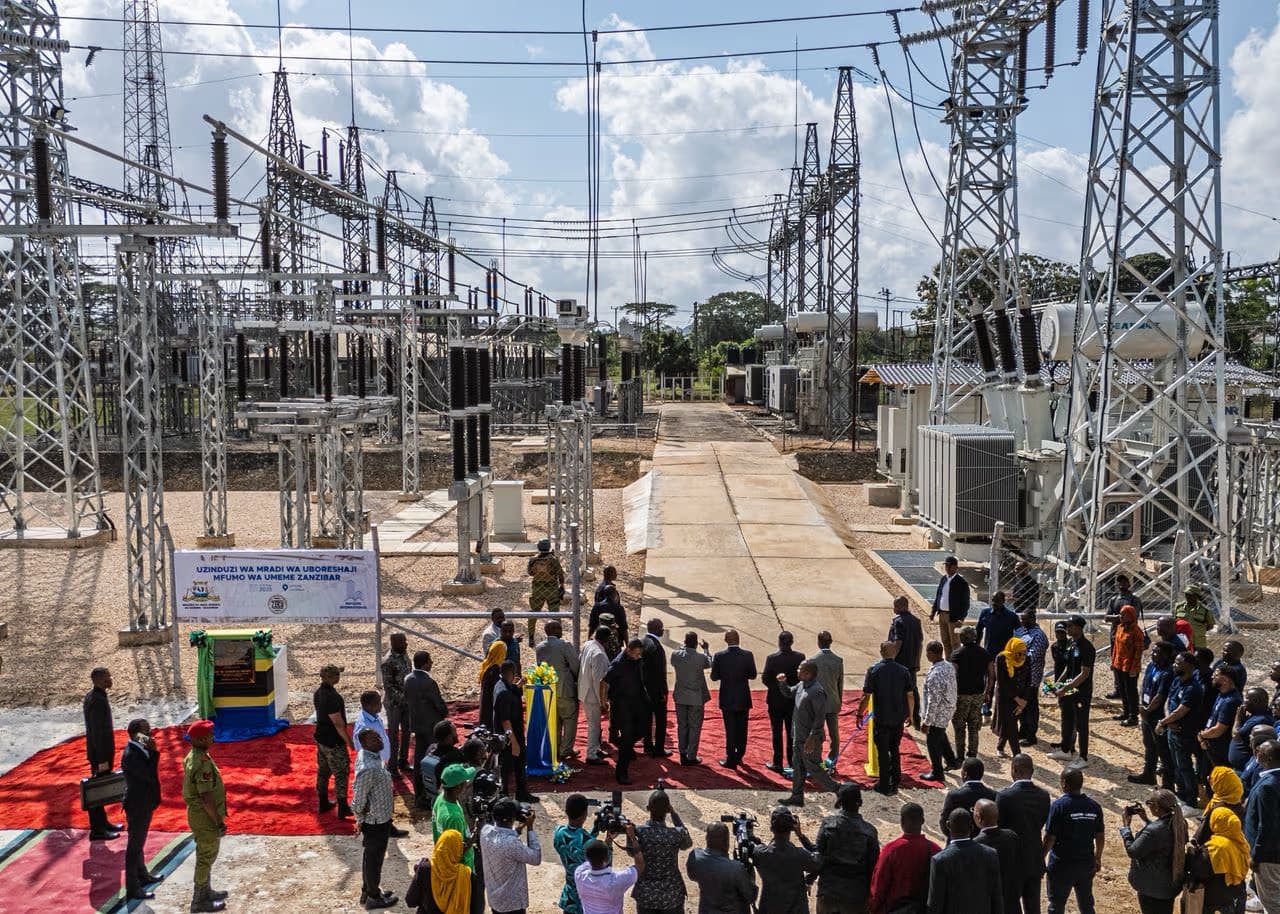
A chorus of outrage is sweeping across the Zanzibar archipelago as citizens, businesses, and economic analysts demand an immediate and permanent resolution to the crippling power outages that continue to suffocate the island's development.
The chronic electrical blackouts have transcended mere inconvenience, evolving into a glaring symbol of institutional paralysis, infrastructural decay, and a severe failure of strategic planning by the authorities tasked with powering East Africa's premier tourist destination.
For months, the residents of Unguja and Pemba have endured unpredictable, prolonged darkness. Recent official statements from the Zanzibar Electricity Corporation have predictably blamed the disruptions on a confluence of rising consumer demand, dangerously overloaded transformers, and antiquated distribution networks struggling to support a surge in population and new resort investments. While these technical explanations are factually accurate, they offer absolutely no solace to the populations bearing the brunt of the crisis.
Electricity is no longer a luxury; it is the fundamental backbone of economic productivity and public safety. The persistent outages are aggressively eroding business confidence across all sectors. Small-scale traders, artisanal fishermen reliant on cold storage, and essential service providers suffer devastating financial losses daily. Perishable goods perish, industrial machinery grinds to a halt, and the hospitality sector—the very lifeblood of Zanzibar's economy—is forced to burn through millions of shillings in expensive diesel fuel to keep backup generators running.
In a recent hard-hitting editorial published by The Citizen, the dire social consequences were laid bare. Households are subjected to unbearable discomfort in the tropical heat, security vulnerabilities escalate under the cover of darkness, and the overall cost of living artificially inflates. In such precarious conditions, sustainable development becomes a mirage, and public trust in government institutions dangerously weakens.
The government has, rhetorically, acknowledged the severity of the situation. Parliamentary debates have underscored the absolute urgency of stabilizing the grid, and ambitious blueprints have been outlined to import additional megawatts from the Tanzanian mainland's national grid. Furthermore, promises have been made to systematically upgrade failing infrastructure and significantly expand substation capacities across the islands.
However, the era of deferred action and hollow promises must unequivocally end. Economic commentators are demanding a rigorous, long-term strategy anchored in aggressive execution and strict accountability. The path forward requires a massive, coordinated capital injection and a fundamental overhaul of the energy sector's management.
Equally vital to the physical infrastructure upgrades is a profound shift in how the utility engages with its consumers. The current culture of silence and unpredictability surrounding blackouts deepens public frustration. When essential technical upgrades or emergency repairs necessitate load shedding, these planned outages must be clearly, accurately, and widely communicated in advance. Predictability allows businesses to plan and mitigates catastrophic financial losses.
The commitments made by the government must now rapidly transition from parliamentary rhetoric into disciplined, visible action on the ground. The residents of Zanzibar have exhibited extraordinary patience, but that reservoir is fundamentally depleted. The island's aspirations of becoming a world-class economic and tourism hub are completely incompatible with a third-world power grid.
"The time has come to end these power woes once and for all," the editorial fiercely concluded, echoing the unified demand of an exhausted populace demanding the basic right to reliable energy.
Keep the conversation in one place—threads here stay linked to the story and in the forums.
Sign in to start a discussion
Start a conversation about this story and keep it linked here.
Other hot threads
E-sports and Gaming Community in Kenya
Active 9 months ago
The Role of Technology in Modern Agriculture (AgriTech)
Active 9 months ago
Popular Recreational Activities Across Counties
Active 9 months ago
Investing in Youth Sports Development Programs
Active 9 months ago