We're loading the full news article for you. This includes the article content, images, author information, and related articles.
In a historic milestone for rural electrification, the state allocates KES 336 million to connect Mbeere North to the national grid, promising to ignite economic growth.
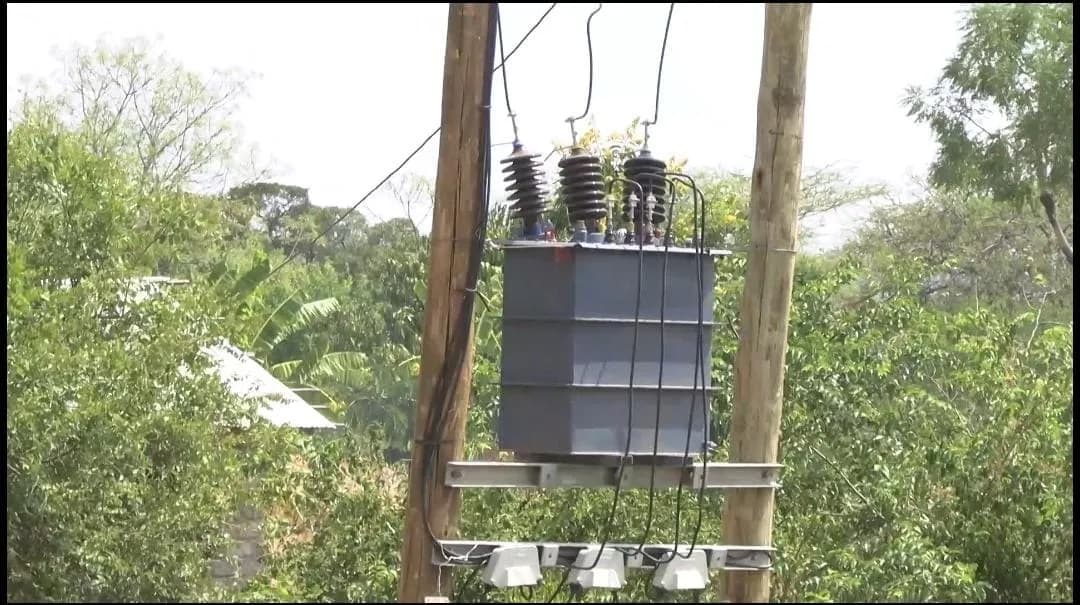
In a profoundly historic milestone for rural development and equity, the Kenyan state has officially allocated KES 336 million (approx. $2.5m) to aggressively expand electricity coverage in Mbeere North, promising to ignite robust economic growth and transform thousands of livelihoods after more than six decades of chronic marginalization.
Since the dawn of independence 62 years ago, vast swathes of Mbeere North in Embu County have languished in literal and economic darkness. The absence of reliable power has served as a massive, impenetrable barrier to industrial progress, severely limiting educational outcomes, crippling healthcare delivery, and preventing the establishment of basic value-addition industries crucial for agricultural economies.
This substantial financial injection signals a definitive end to this era of systemic neglect. Connecting these remote communities to the national grid is not merely a matter of providing illumination; it is a fundamental catalyst for unlocking the dormant economic potential of a fiercely resilient population, directly aligning with Kenya's ambitious Vision 2030 targets for universal energy access.
The introduction of electricity acts as a powerful multiplier for local economic activity. For decades, the entrepreneurial spirit of Mbeere North has been stifled by reliance on expensive, polluting diesel generators or the total inability to operate machinery. With grid power, the economic landscape is set to undergo a rapid and radical transformation, fostering the growth of micro, small, and medium enterprises (MSMEs).
In an area heavily reliant on agriculture, the impact will be revolutionary. Farmers will finally have the capacity to establish cold storage facilities, drastically reducing post-harvest losses for perishable goods. Small-scale agro-processing units, such as milling machines and dairy cooling plants, can now be viably established, allowing the community to capture the lucrative value-addition margins rather than selling raw produce at suppressed, exploitative prices.
Furthermore, the availability of power will spur the growth of the informal sector—welders, mechanics, salons, and IT service providers can establish permanent operations, creating vital employment opportunities for the youth and stemming the tide of rural-to-urban migration that hollows out rural economies.
The socio-economic benefits of electrification extend far beyond commercial enterprise; they fundamentally rewrite the operational realities of crucial public services. For 62 years, schools in Mbeere North have operated at a severe disadvantage. Without power, students are unable to study after sunset, and the integration of modern digital learning tools—essential for competing in the 21st-century economy—has been an absolute impossibility.
Grid connectivity will instantly modernize these educational institutions, allowing for extended study hours, functioning computer laboratories, and access to digital educational resources. This levels the academic playing field, giving the youth of Mbeere North a fighting chance to excel in national examinations and access higher education.
Similarly, healthcare delivery will be transformed. Local dispensaries and clinics will no longer be forced to conduct emergency procedures by the light of kerosene lamps. The ability to safely store vaccines and power basic diagnostic equipment will drastically reduce infant mortality rates and improve overall public health outcomes across the constituency.
The KES 336 million investment in Mbeere North is a critical component of the government's broader, aggressive Last Mile Connectivity Project. The initiative acknowledges that national macroeconomic indicators mean very little if significant portions of the population remain disconnected from the basic utilities required to participate in the modern economy.
However, the physical installation of poles and transformers is only the first step. To ensure the true success of this project, Kenya Power and the local leadership must work collaboratively to ensure that connection fees are affordable and that the grid remains stable and reliable. Chronic power outages would severely undermine the anticipated economic renaissance.
The story of Mbeere North is a powerful testament to the transformative power of targeted infrastructure investment. It serves as a stark reminder that true national development is impossible while pockets of the country remain trapped in the developmental darkness of the previous century.
"The arrival of the grid is not just the flicking of a switch; it is the unlocking of human potential, a vital spark that will finally allow the people of Mbeere North to fully participate in the nation's economic future."
Keep the conversation in one place—threads here stay linked to the story and in the forums.
Sign in to start a discussion
Start a conversation about this story and keep it linked here.
Other hot threads
E-sports and Gaming Community in Kenya
Active 9 months ago
The Role of Technology in Modern Agriculture (AgriTech)
Active 9 months ago
Popular Recreational Activities Across Counties
Active 9 months ago
Investing in Youth Sports Development Programs
Active 9 months ago