We're loading the full news article for you. This includes the article content, images, author information, and related articles.
The State hands over four ailing millers to private investors for 30 years, but with strict 'handcuffs' to protect public land and guarantee farmer bonuses.

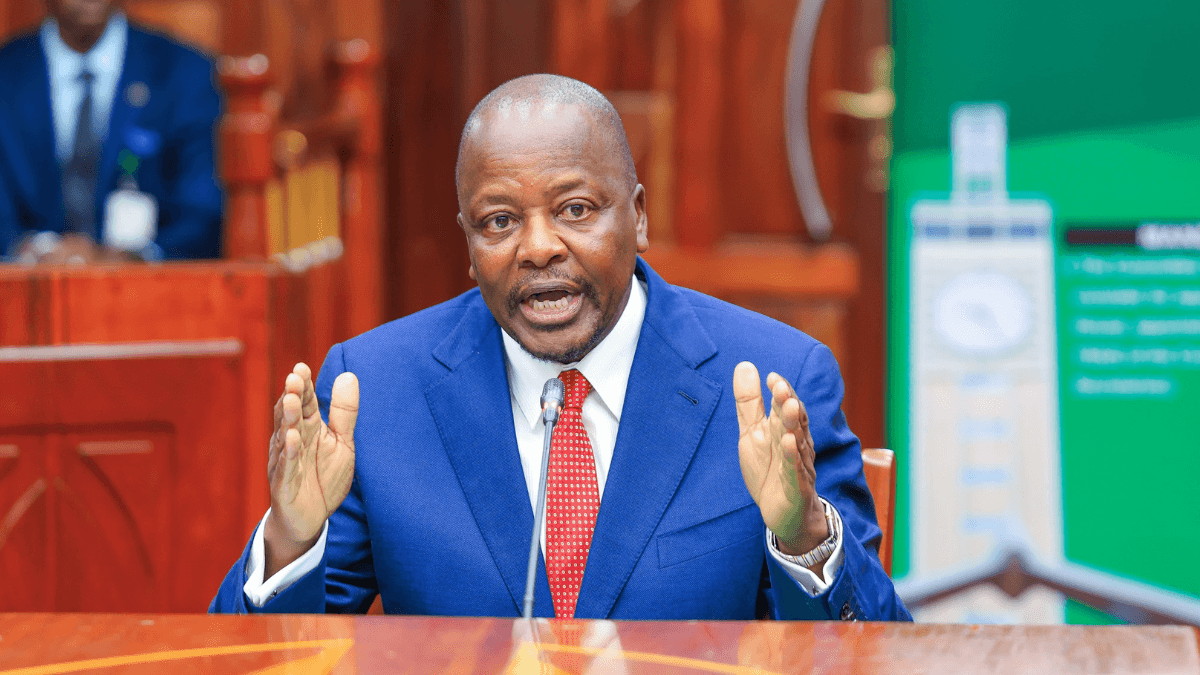
The government has finally handed over the keys to Kenya’s crumbling sugar empire, but not without attaching a heavy set of handcuffs to the new private managers. In a definitive report tabled before Parliament on Wednesday, Agriculture Cabinet Secretary Mutahi Kagwe revealed the stringent conditions governing the 30-year leases of Nzoia, Chemelil, Muhoroni, and South Nyanza (Sony) sugar companies—a move aimed at stopping the looting that has historically bled the sector dry.
For the millions of livelihoods in the sugar belt, this is the moment of truth. The era of state-managed inefficiency is officially over, replaced by a private-sector leasehold model that comes with a stark warning: modernize these mills, pay the farmers, or lose the license. CS Kagwe’s report details a framework designed to prevent the new investors from using public assets to secure private loans, a practice that has previously left state corporations drowning in debt while individuals walked away rich.
Perhaps the most critical safeguard in the new deal is the protection of the nucleus estates—the vast tracts of public land surrounding the factories. CS Kagwe emphasized that while investors have rights to the land for cane development, they are strictly prohibited from using it as collateral to secure bank loans.
“The nucleus land shall only be used for cane development and shall not be used as collateral by the lessee,” Kagwe told MPs, addressing fears that private entities might mortgage public land for quick cash. This clause is a direct response to the skepticism of lawmakers and farmers who have watched public assets vanish under opaque deals in the past.
Furthermore, the lease agreement stipulates that at the end of the 30-year term, every single investment made—whether it’s a new boiler, a fleet of tractors, or an ethanol plant—will revert to the government. The state retains ultimate ownership; the investors are merely tenants with a mandate to perform.
The report sheds light on the specific financial obligations placed on the four investors—West Kenya Sugar, Kibos Sugar, Busia Sugar, and West Valley Sugar. The government has standardized the lease rentals to ensure a steady revenue stream, which Kagwe promised would trickle down to the community.
These figures are not just bureaucratic statistics; they represent the baseline for reviving the local economies in Bungoma, Kisumu, and Migori counties. The concession fees, in particular, tie the government’s revenue directly to the productivity of the mills—if the factories don't roar back to life, the State gets paid less.
The days of sugar mills producing only brown sugar are numbered. The lease conditions mandate that the new operators must diversify their production lines. It is no longer enough to just crush cane; investors are contractually obligated to venture into co-generation of power and bioethanol production.
“The lessee shall invest in cane development and modernization of the sugar mill through rehabilitation, upgrading of machinery, and adoption of new technologies,” the report states. This requirement aims to bring Kenyan sugar production costs—currently among the highest in the region—down to a competitive level, shielding the local market from the perennial threat of cheap imports.
While the ink is dry on the contracts, the real test lies in enforcement. The Kenya Sugar Board, empowered by the Sugar Act of 2024, alongside the Competition Authority, will be watching closely to ensure no single player monopolizes the market. As CS Kagwe noted, the goal is to turn these "museums of rust" back into engines of wealth for the Kenyan farmer.
Keep the conversation in one place—threads here stay linked to the story and in the forums.
Sign in to start a discussion
Start a conversation about this story and keep it linked here.
Other hot threads
E-sports and Gaming Community in Kenya
Active 9 months ago
The Role of Technology in Modern Agriculture (AgriTech)
Active 9 months ago
Popular Recreational Activities Across Counties
Active 9 months ago
Investing in Youth Sports Development Programs
Active 9 months ago
Key figures and persons of interest featured in this article