We're loading the full news article for you. This includes the article content, images, author information, and related articles.
Flight operations have resumed at Nigeria's Murtala Muhammed International Airport after a sudden fire forced the temporary closure of the old terminal.
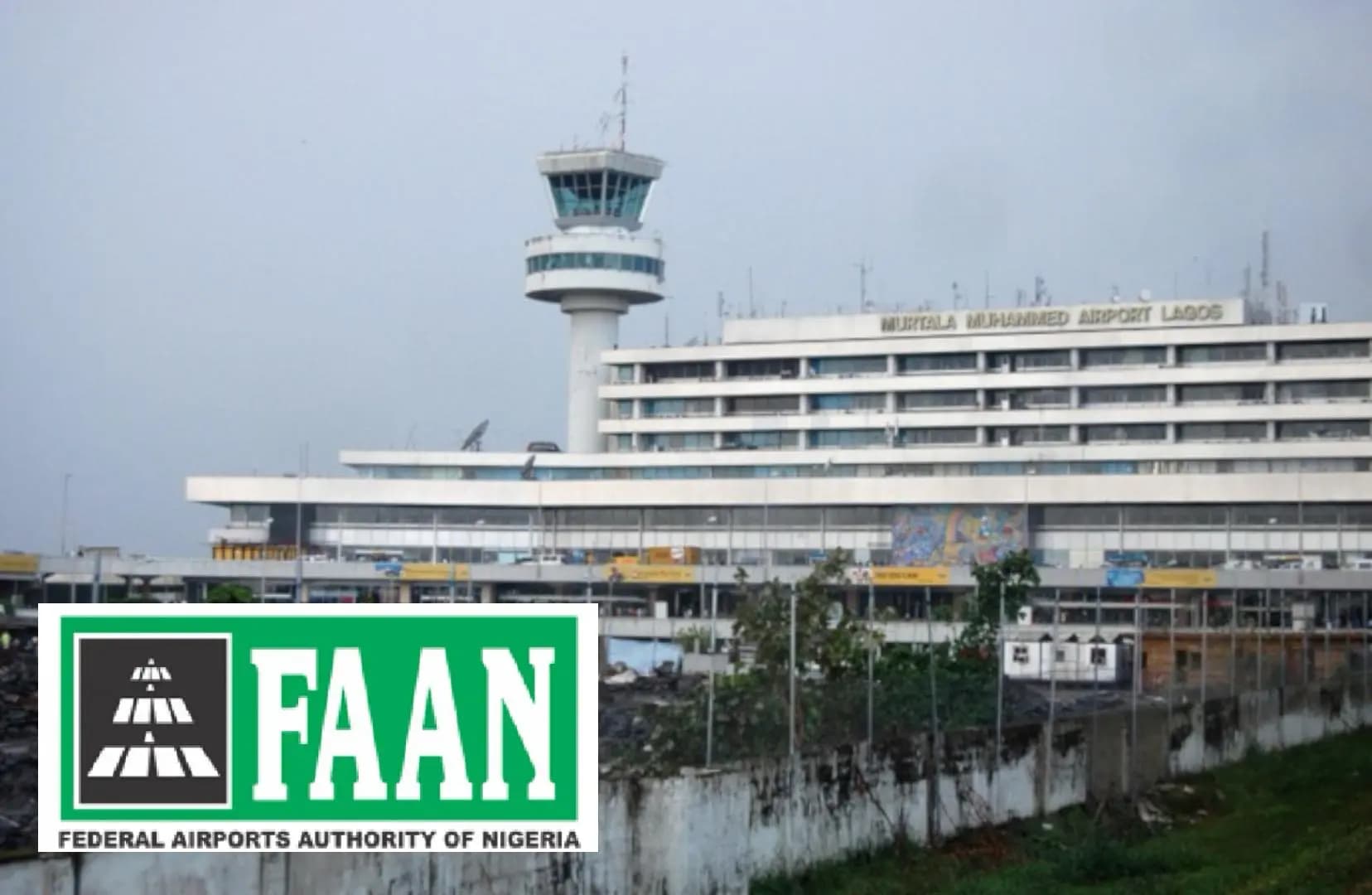
Flight operations have fully resumed at Nigeria's Murtala Muhammed International Airport following a sudden fire outbreak that forced a massive, temporary shutdown of the critical aviation hub.
Normalcy has finally been restored at Nigeria's busiest aviation gateway. The Murtala Muhammed International Airport (MMIA) in Lagos successfully reopened its airfield on Tuesday following a highly disruptive fire at the Old Terminal on Monday, February 23. The incident caused widespread logistical chaos, grounding massive domestic fleets and forcing the mid-air diversion of several international flights.
The swift containment of the blaze by emergency responders averted a major catastrophe. However, the temporary suspension of operations sent massive shockwaves through the West African travel network, highlighting the profound vulnerabilities inherent in aging continental airport infrastructure.
The Federal Airports Authority of Nigeria (FAAN) confirmed that the fire, while severe enough to necessitate a total airfield shutdown, resulted in absolutely no casualties. Major carriers, including Air Peace and Max Air, were forced to abruptly halt operations, leaving thousands of passengers stranded in terminals across the nation.
The incident forcefully underscores the critical necessity of robust, modernised emergency response protocols within Africa's mega-airports. When a hub as massive as Lagos experiences a sudden outage, the economic and logistical domino effect is staggering, heavily impacting both regional trade and international connectivity.
For policymakers in East Africa, particularly those managing Kenya's Jomo Kenyatta International Airport (JKIA), the Lagos incident serves as a glaring, real-time case study. As JKIA currently undergoes intense scrutiny regarding its own infrastructural upgrades and highly controversial privatisation plans, the paramount importance of safety cannot be overstated.
The rapid reopening of the Lagos airfield is a massive relief for the continent's business sector. However, the smoke has barely cleared before demanding difficult questions about the long-term structural integrity of Africa's most vital transport corridors.
Aviation is the undeniable lifeblood of the African Continental Free Trade Area (AfCFTA). A single day of closure at a major hub costs millions of dollars in lost cargo, delayed business negotiations, and severely disrupted tourism.
As operations normalize in Lagos, the broader mandate for aviation authorities across the continent is abundantly clear: massive infrastructural investment is not a luxury, it is an absolute necessity.
"Our primary objective remains the absolute safety and operational integrity of the airfield; we will not compromise on passenger security," an airline executive noted regarding the resumption of flights.
Keep the conversation in one place—threads here stay linked to the story and in the forums.
Sign in to start a discussion
Start a conversation about this story and keep it linked here.
Other hot threads
E-sports and Gaming Community in Kenya
Active 9 months ago
The Role of Technology in Modern Agriculture (AgriTech)
Active 9 months ago
Popular Recreational Activities Across Counties
Active 9 months ago
Investing in Youth Sports Development Programs
Active 9 months ago
Key figures and persons of interest featured in this article