We're loading the full news article for you. This includes the article content, images, author information, and related articles.
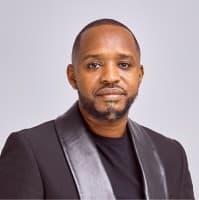
Activist Boniface Mwangi challenges President Ruto, vowing to unseat him in the 2027 polls, as economic and political tensions reshape the Kenyan electorate.
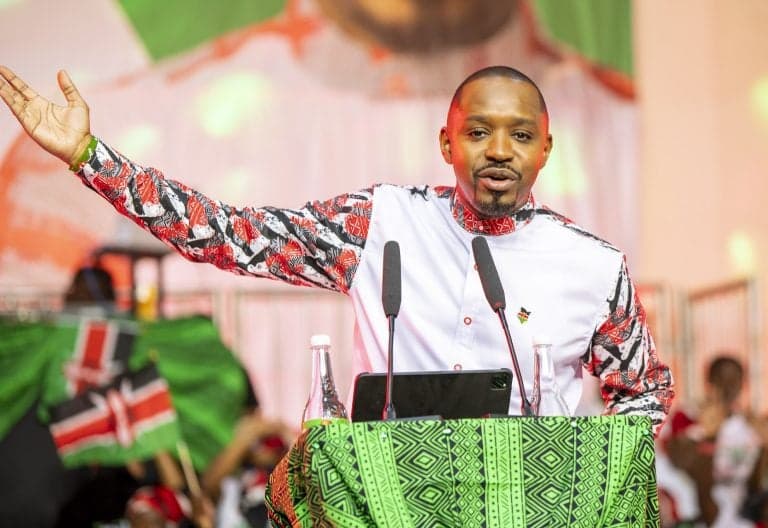
A blunt prediction echoes through the digital corridors of Kenyan politics as activist and presidential hopeful Boniface Mwangi stakes his claim against the current administration. Standing at a critical juncture in the nation's trajectory toward the 2027 General Election, Mwangi has declared with absolute certainty that President William Ruto will not return to the house on the hill for a second term. This proclamation, delivered in the midst of heightened socio-economic volatility, signals an aggressive shift in the opposition landscape, moving beyond traditional party politics into the realm of grassroots, activist-led confrontation.
The declaration is more than mere political rhetoric it acts as a catalyst for a broader conversation about the stability of the current government, the state of the Kenyan economy, and the shifting demographics of the electorate. As the country approaches the three-year mark of the current administration, the tension between state policy and public expectation has reached a breaking point, creating an opening for alternative voices to challenge the established political order. For the millions of Kenyans navigating high inflation and tax burdens, Mwangi's stance offers a rallying cry, even as political analysts caution that the path from activist rhetoric to electoral victory remains treacherous.
Boniface Mwangi occupies a unique space in the Kenyan public consciousness. Known historically for his work as a photojournalist documenting the struggles of the urban poor and later as a vocal human rights defender, his transition into mainstream presidential politics represents an attempt to bridge the gap between civil society agitation and formal governance. His political identity is anchored in a rejection of the traditional political dynasties that have dominated Kenya since independence. By positioning himself as a distinct alternative to the established political elite, Mwangi seeks to mobilize a demographic that feels alienated by the status quo.
However, analysts at the University of Nairobi suggest that the transition from a protest leader to a national candidate requires a sophisticated machinery that transcends the digital influence Mwangi currently commands. The Kenyan political theater is traditionally defined by ethnic alliances, regional kingpins, and deep-pocketed funding, factors that have historically neutralized independent candidates. Mwangi's challenge lies in proving that his platform, which focuses on systemic accountability and wealth redistribution, can compete with the institutional weight of the ruling coalition.
Any electoral challenge in 2027 will be fought primarily on the battlefield of the economy. The current administration has faced intense scrutiny regarding the cost of living, with government data revealing a complex fiscal landscape that has tested the patience of the middle class and the vulnerable alike. While the government maintains that the harsh fiscal policies are necessary to secure national debt, critics argue the measures have stifled growth.
These economic indicators serve as the ammunition for candidates like Mwangi. By tying his political platform to the lived experiences of the average Kenyan, he is aiming to transform abstract macroeconomic data into personal political stakes. Whether this will translate into votes remains the central question for the 2027 cycle.
The Kenyan electorate has evolved significantly over the past five years. The rise of the digital-native voter—often referred to as the Gen Z demographic—has altered the rules of engagement. This cohort is less susceptible to traditional tribal-based voting blocs and more inclined toward issue-based discourse. The recent wave of civil unrest and demonstrations regarding fiscal policy in 2024 and 2025 has demonstrated a heightened level of civic awareness that any presidential candidate must address.
President Ruto, a master of populist mobilization, has historically thrived in this environment. Yet, the challenge posed by activists suggests that the political ground is shifting beneath his feet. The narrative that the incumbent is untouchable is being challenged by a coalition of voices that argue for a radical departure from the current economic orthodoxy. If Mwangi and his contemporaries can sustain this momentum, the 2027 election could see a departure from the binary choices that have characterized previous contests.
As the campaign season begins to take shape, the rhetoric will undoubtedly intensify. The political calculus for President Ruto involves balancing the demands of international creditors with the desperate needs of the local constituency. For the opposition, the goal is to present a unified front that can withstand the institutional advantages of the incumbency. History, however, serves as a stark reminder of the difficulty of unseating an incumbent in Kenya.
The next twenty-four months will be defined by the ability of challengers to move beyond protest and into policy. Boniface Mwangi's declaration of intent serves as the opening salvo in what promises to be a protracted and highly competitive election cycle. The question that lingers for every Kenyan voter is not just who will win, but whether the outcome will finally address the systemic inequalities that have defined the nation's history. As the country turns its eyes toward 2027, the gap between the promise of governance and the reality of the street has never been more apparent.
Keep the conversation in one place—threads here stay linked to the story and in the forums.
Sign in to start a discussion
Start a conversation about this story and keep it linked here.
Other hot threads
E-sports and Gaming Community in Kenya
Active 9 months ago
The Role of Technology in Modern Agriculture (AgriTech)
Active 9 months ago
Popular Recreational Activities Across Counties
Active 9 months ago
Investing in Youth Sports Development Programs
Active 9 months ago
Key figures and persons of interest featured in this article