We're loading the full news article for you. This includes the article content, images, author information, and related articles.
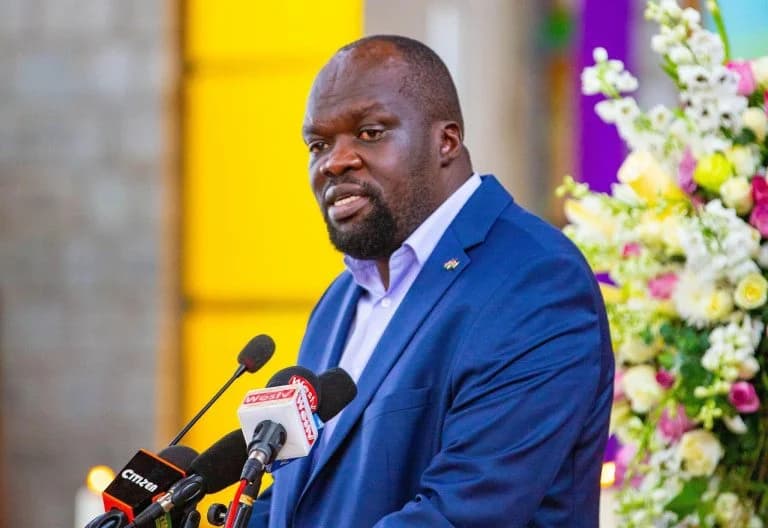
Treasury Cabinet Secretary John Mbadi has applauded the decision by the Orange Democratic Movement (ODM) leadership to remove Edwin Sifuna as Secretary-General. Mbadi asserts that Sifuna’s presence in the party has been disruptive
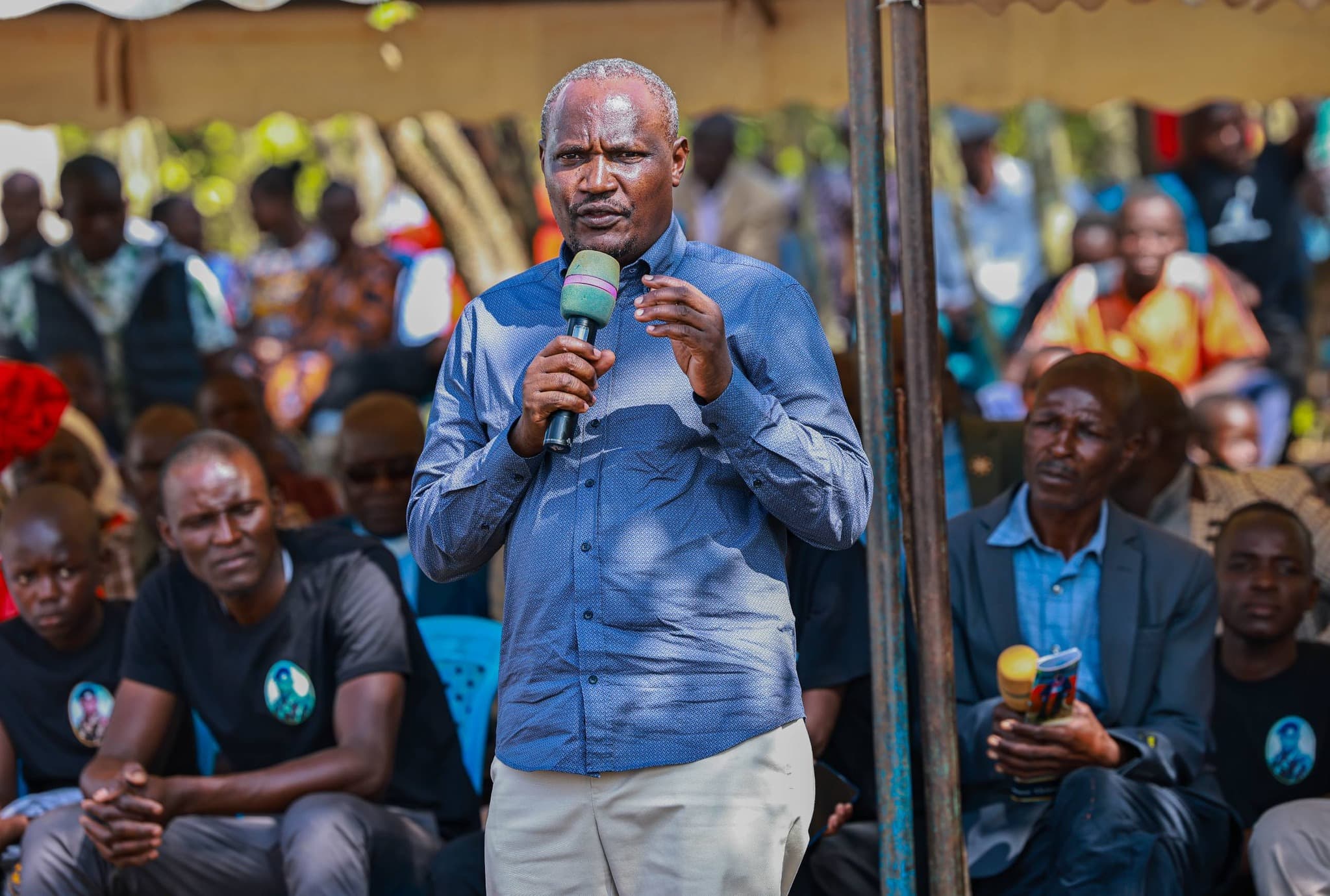
Treasury Cabinet Secretary and former ODM National Chairman John Mbadi has not minced his words regarding the dramatic removal of Edwin Sifuna as ODM Secretary General. In a candid media appearance, Mbadi expressed "excitement" and relief, describing Sifuna's exit as a surgical procedure to save the party from internal rot.
"I am very excited," Mbadi declared, a statement that underscores the depth of the animosity that had festered between the party's old guard and its youthful, combative Secretary General. "I have been so depressed seeing what he was doing for ODM. Raila Odinga invested his life in this party not for it to die immediately after him."
Mbadi's comments reveal the ideological chasm that has split the Orange Democratic Movement. On one side are the pragmatists like Mbadi, who support the "broad-based government" deal with President William Ruto as a means of national stability (and access to resources). On the other was Sifuna, who maintained a hardline opposition stance, viewing the deal as a betrayal of the electorate.
Mbadi framed the ouster not as a political witch-hunt, but as a matter of organizational discipline. "Sifuna is supposed to be the spokesperson of the party," Mbadi argued. "When you are the spokesperson, you don't speak your mind to the public contrary to what the party has resolved. You speak what the party has resolved."
This interpretation of party discipline highlights the central tension in Kenyan political parties: are they democratic institutions or command structures? Sifuna's refusal to toe the line on the government deal was seen by Mbadi not as principled dissent, but as insubordination. By removing him, the party is enforcing a singular voice—one that is currently singing from the government's hymn sheet.
Crucially, Mbadi invoked the name of the party founder, Raila Odinga. By claiming that Sifuna's actions were destroying Raila's legacy, Mbadi is attempting to inoculate the current leadership against accusations of betrayal. He is positioning the cooperation with Ruto as the "mature" path that Raila himself sanctioned (or would have sanctioned) for the sake of the country.
However, this narrative is contested. Many of Sifuna's supporters view him as the true heir to Raila's revolutionary spirit—the firebrand who refuses to compromise. By pushing him out, Mbadi and the NEC risk alienating the radical base that has fueled ODM for two decades.
With Sifuna gone and Catherine Omanyo installed as acting SG, ODM is now firmly in the grip of the pro-government faction. Mbadi's celebration is a victory lap for the "cooperation" camp. But questions remain. Can ODM survive as a junior partner in government? Without the aggressive opposition energy that Sifuna provided, does the party lose its identity?
"Let us remain with our few supporters, but remain a solid party," Mbadi said. It is a gamble: trading mass appeal and energy for cohesion and government access. Only the 2027 polls will decide if this trade-off was a masterstroke or a suicide pact.
Keep the conversation in one place—threads here stay linked to the story and in the forums.
Sign in to start a discussion
Start a conversation about this story and keep it linked here.
Other hot threads
E-sports and Gaming Community in Kenya
Active 9 months ago
The Role of Technology in Modern Agriculture (AgriTech)
Active 9 months ago
Popular Recreational Activities Across Counties
Active 9 months ago
Investing in Youth Sports Development Programs
Active 9 months ago
Key figures and persons of interest featured in this article