We're loading the full news article for you. This includes the article content, images, author information, and related articles.
The Kenyan Embassy in Moscow has issued a "Code Red" advisory, revealing a disturbing surge in human trafficking disguised as employment opportunities.
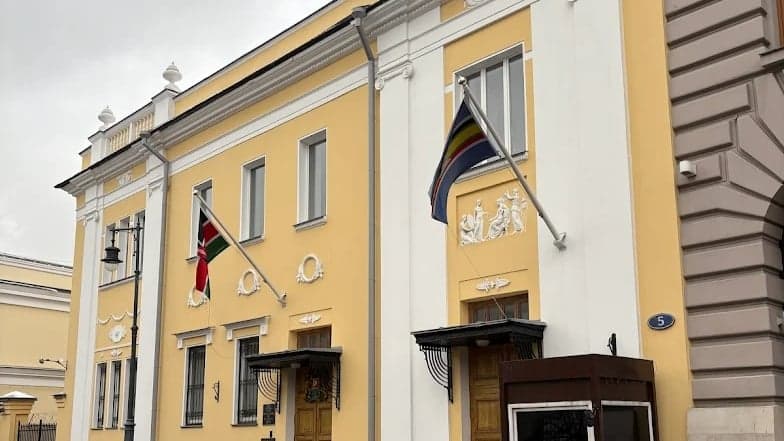
The Kenyan Embassy in Moscow has issued a "Code Red" advisory, revealing a disturbing surge in human trafficking disguised as employment opportunities, as desperate job seekers walk into a frozen nightmare.
The dream of "greener pastures" has long driven the Kenyan diaspora narrative, but for a growing number of youths, that dream is ending in the biting cold of a Russian winter, stripped of their passports and their dignity. The Kenyan Embassy in Moscow, led by an increasingly alarmed diplomatic corps, has issued a stark warning: Do not come to Russia on an informal promise.
This advisory, underscored by Principal Secretary Roseline Njogu, is not just bureaucratic caution; it is a response to a humanitarian crisis unfolding thousands of miles away. Kenyan nationals are being lured by "agents" who promise high-paying jobs in logistics, hospitality, and agriculture, only to find themselves pawns in a much darker game.
The modus operandi is terrifyingly simple. Agents, often operating on TikTok and WhatsApp, demand "processing fees" ranging from KES 150,000 to KES 300,000. They promise:
The reality, as detailed by the Embassy, is a stark contrast. Upon arrival at Sheremetyevo International Airport, victims are often met by "handlers" who confiscate their documents. They are then transported to remote locations—far from the consular reach of the Embassy—and forced into manual labor under conditions that border on modern slavery. The "high salary" evaporates into deductions for food, housing, and "agent debts."
What makes this situation particularly precarious is the current geopolitical climate. Russia is a nation at war and under heavy sanctions. For a Kenyan national stranded without papers, the legal recourse is almost non-existent. "Consular access is limited," the Embassy warned, a diplomatic euphemism for "We cannot come and get you."
Unlike the Middle East, where labor agreements are slowly being formalized, the informal route to Russia is a legal black hole. The lack of a structured bilateral labor agreement means that these workers have no rights under Russian law. They are ghosts in the machine.
Why Russia? And why now? The answer lies in the saturation of traditional markets like the Gulf and the tightening of visas to the West. Russia, perceived as an "alternative" power, is being sold as the new frontier. But as this investigative report reveals, it is a frontier without law.
Families in Nairobi, selling land to send their children to Moscow, need to hear this message loud and clear. The "job" does not exist. The "agent" is a predator. And the Embassy cannot perform miracles.
"Prevention is the only protection," the statement reads. It is a chilling reminder that in the global hunt for opportunity, some doors lead only to a cage.
Keep the conversation in one place—threads here stay linked to the story and in the forums.
Sign in to start a discussion
Start a conversation about this story and keep it linked here.
Other hot threads
E-sports and Gaming Community in Kenya
Active 9 months ago
The Role of Technology in Modern Agriculture (AgriTech)
Active 9 months ago
Popular Recreational Activities Across Counties
Active 9 months ago
Investing in Youth Sports Development Programs
Active 9 months ago