We're loading the full news article for you. This includes the article content, images, author information, and related articles.
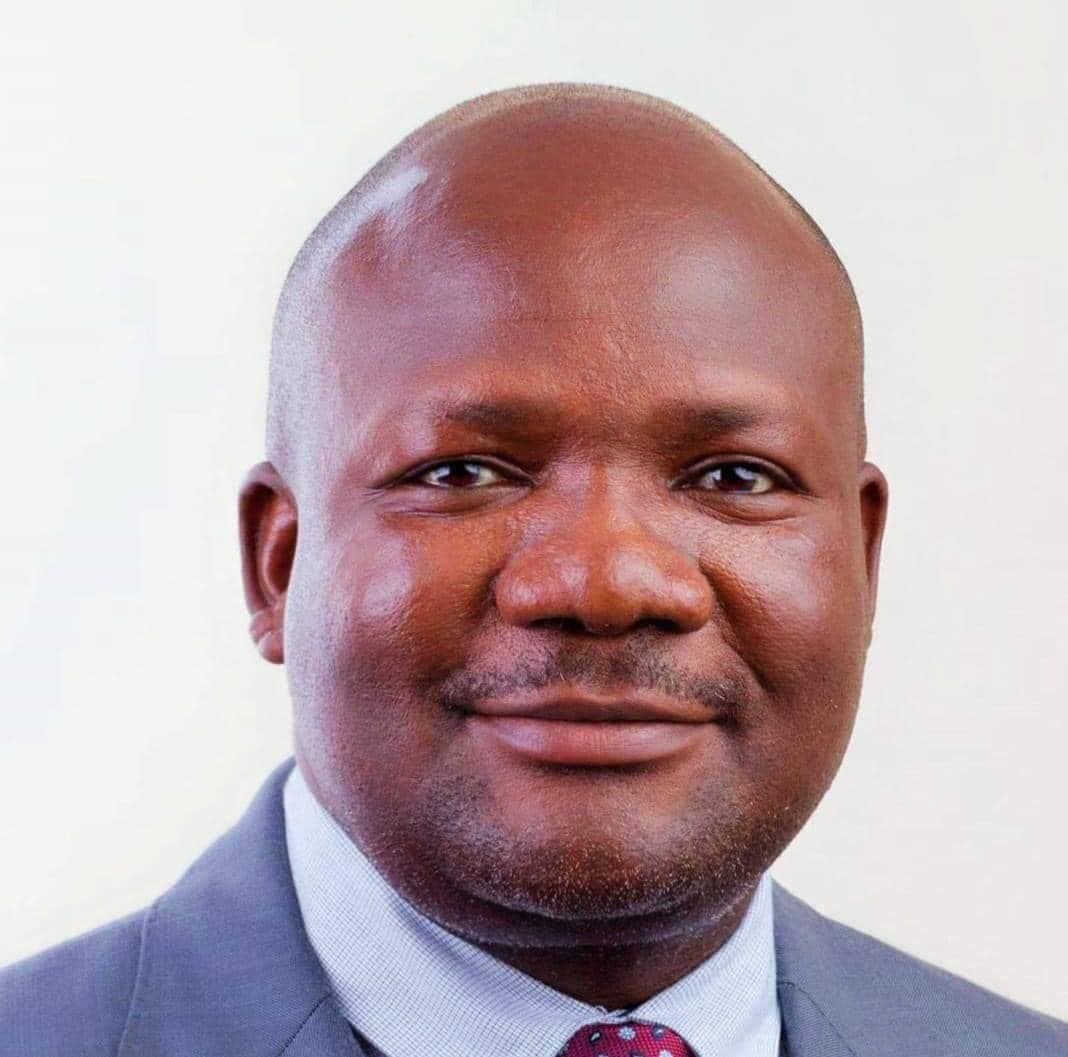
Lurambi MP Titus Khamala’s defection to UDA signals a seismic shift in Western Kenya’s political landscape, weakening ODM’s grip on Kakamega County ahead of 2027.

The defection of Lurambi Member of Parliament Titus Khamala from the Orange Democratic Movement to the ruling United Democratic Alliance signals a profound realignment in Western Kenya's volatile political landscape, casting a long shadow over the opposition's future ahead of the 2027 General Election.
Political tectonic plates in Western Kenya shifted dramatically this weekend as Lurambi MP Titus Khamala, a prominent figure in the region, announced his departure from the Orange Democratic Movement (ODM) to join the United Democratic Alliance (UDA). The move, finalized after intense deliberations at his Shibuli residence, serves as the latest indicator of a deepening crisis within Kenya's opposition. For the residents of Kakamega and beyond, this is not merely a party switch; it is a pragmatic, survivalist calculation that threatens to dismantle the ODM's historical dominance in a region that has long served as its bedrock.
The "so what" of this development extends far beyond the borders of Lurambi constituency. It confirms a growing trend of political hemorrhage within the ODM, which has struggled to retain its grip on grassroots support amidst a broader, nationwide strategy of "broad-based" governance that has blurred the lines between the ruling party and the opposition. With the 2027 election cycle looming, the loss of a vocal, two-term lawmaker like Khamala suggests that the party's influence is not just eroding—it is fracturing.
In his address to his constituents, Khamala offered a candid justification that resonates with the current climate of Kenyan politics: he simply does not want to "miss again." Having transitioned from the Amani National Congress (ANC) in 2017 to ODM in 2022, his latest pivot to UDA is motivated by a desire to align with the state machinery. This reflects a shift from the politics of resistance to the politics of resource-attraction.
For the average voter in Lurambi, the rhetoric of ideology is increasingly being replaced by the rhetoric of development. The UDA machine, led by President William Ruto, has been aggressive in courting Western Kenya, leveraging promises of infrastructure, economic development, and closer proximity to the executive. Khamala’s move suggests that for many local leaders, the cost of being in the opposition—perceived or real marginalization in budgetary allocations—is now too high to bear.
The ODM party finds itself in a precarious position. The internal divisions, characterized by a tug-of-war between factions pushing for cooperation with the current administration and those clinging to traditional opposition, have left the party in an existential malaise. Recent by-election losses in regions previously thought to be "Orange" bastions, combined with high-profile defections, paint a picture of a house divided.
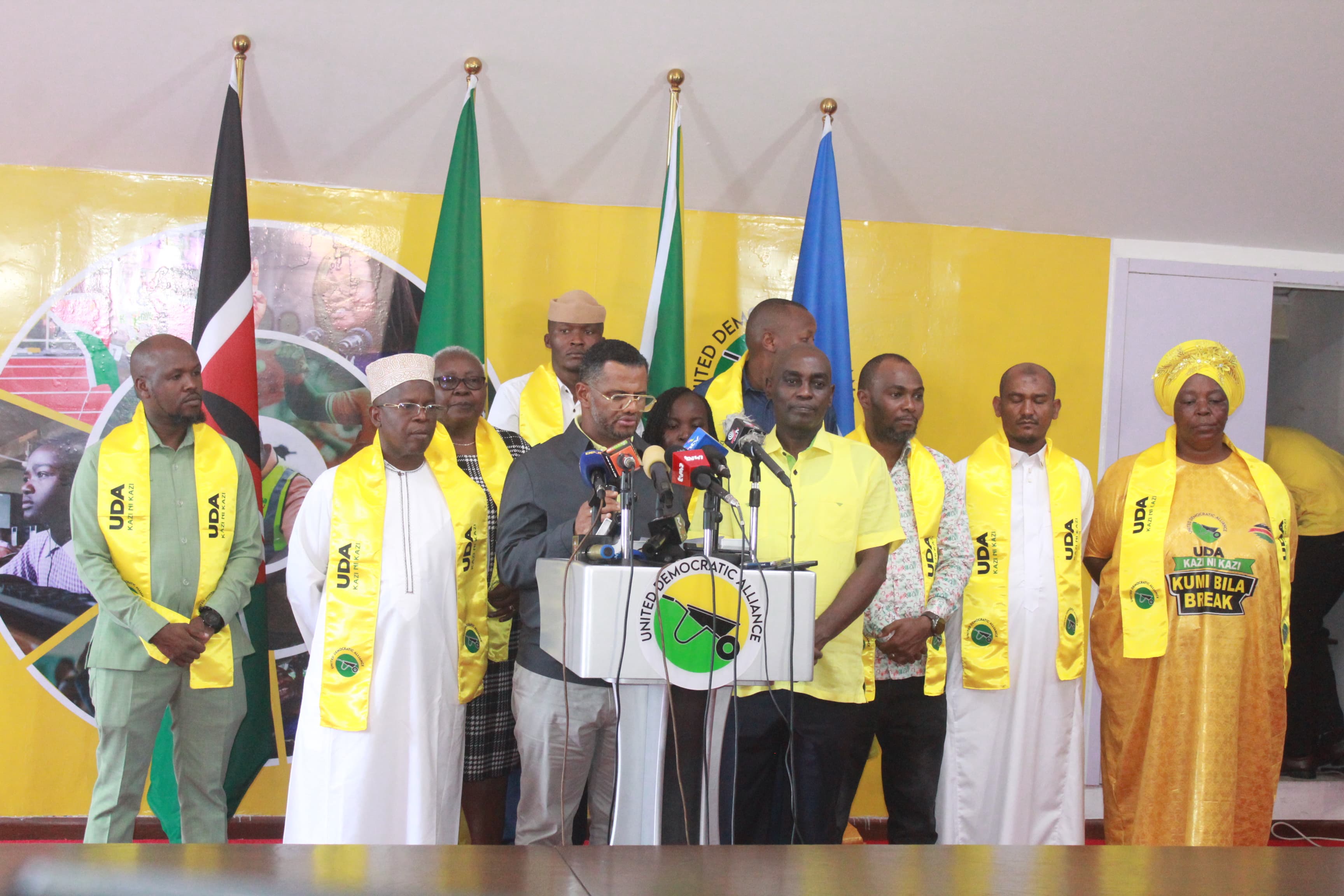
Kakamega has become the epicenter of this political earthquake. While Governor Fernandes Barasa focuses on county-level strategic planning, the legislative wing is being rapidly encroached upon by UDA-aligned figures. Khamala’s defection emboldens this movement, providing a "giraffe" perspective—as described by Kakamega Deputy Governor Ayub Savula—that sees the future lying within the ruling coalition.
Critics within the ODM camp argue that such defections are a betrayal of the democratic struggle, yet the voters are increasingly transactional. When an MP can demonstrate tangible results—be it a road, a classroom, or a hospital wing funded by the national government—the ideological appeal of the opposition loses its potency. The coming months will likely see more such realignments as politicians evaluate their viability in an increasingly UDA-dominated landscape.
As the ODM prepares for its upcoming national conventions, the party faces a binary choice: either modernize its strategy to provide a distinct, viable alternative to the current administration or watch as its legislative strength continues to dissipate, one defection at a time. For now, the "bottom-up" economic model is winning the battle for hearts and minds in Lurambi.
"I was elected on ANC in 2017, shifted to ODM in 2022 hoping for an Azimio win, but we missed. I do not want to miss again," says Khamala, signaling the start of a fierce battle for Western Kenya’s political soul.
Keep the conversation in one place—threads here stay linked to the story and in the forums.
Sign in to start a discussion
Start a conversation about this story and keep it linked here.
Other hot threads
E-sports and Gaming Community in Kenya
Active 9 months ago
The Role of Technology in Modern Agriculture (AgriTech)
Active 9 months ago
Popular Recreational Activities Across Counties
Active 9 months ago
Investing in Youth Sports Development Programs
Active 9 months ago
Key figures and persons of interest featured in this article