We're loading the full news article for you. This includes the article content, images, author information, and related articles.
The Indian city's new status as a global culinary hub puts a spotlight on the untapped potential of Kenya's own rich food heritage, from the Swahili Coast to the vibrant streets of Nairobi.
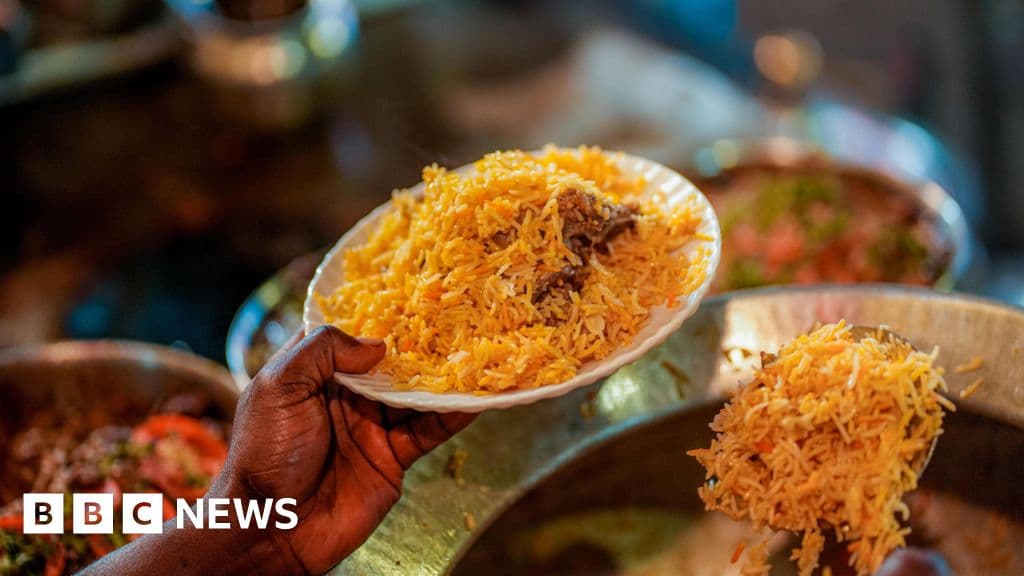
An Indian city famed for its succulent kebabs and fragrant biryanis has just been crowned a global culinary capital, sparking a crucial question closer to home: When will the world recognise the richness of Kenyan cuisine?
Lucknow, capital of India's Uttar Pradesh state, was recently named a UNESCO Creative City of Gastronomy, an honour that celebrates its deep-rooted food traditions. The designation places it in an elite global network of cities committed to using creativity, especially food, as a driver for sustainable urban development. For Kenya, a nation with its own diverse culinary tapestry, Lucknow's success serves as both a blueprint and a challenge.
The UNESCO recognition is more than just a plaque; it's a powerful tool for economic and cultural growth. Cities on this coveted list benefit from increased global visibility, attracting tourists, investment, and collaborative projects. The network, which includes 350 cities across various creative fields, aims to foster international cooperation, share best practices, and strengthen the cultural sector.
Lucknow's culinary scene, known as Awadhi cuisine, is a legacy of the Mughal Empire, celebrated for its slow-cooking techniques and delicate balance of spices like saffron and cardamom. This heritage, passed down through generations, is precisely what UNESCO seeks to protect and promote.
While no Kenyan city is yet on the gastronomy list, the continent is represented. Overstrand Hermanus in South Africa became the first African city to earn the title in 2019, proving the door is open. More recently, cities like Bohicon in Benin and Nkongsamba in Cameroon have also joined the ranks. This raises the stakes for hubs of Kenyan culinary excellence like Mombasa, with its rich Swahili dishes, or Nairobi, with its dynamic street food culture.
To be considered, a city must demonstrate a number of qualities, including:
Kenya has already made strides in gaining international recognition for its food heritage. UNESCO has previously recognised the country's efforts to safeguard and promote its traditional vegetables and nutritional knowledge. Furthermore, with the global culinary tourism market valued at over KES 1 trillion, Kenyan tourism officials are increasingly focusing on food as a key attraction.
As Lucknow celebrates its moment in the global spotlight, the opportunity for a Kenyan city to showcase its own unique flavours has never been clearer. The next call for applications to the UNESCO network is in 2025. For a city like Mombasa or Nairobi, the journey to recognition could put Kenyan food on the world's table, securing its heritage and boosting the economy for generations to come.
Keep the conversation in one place—threads here stay linked to the story and in the forums.
Sign in to start a discussion
Start a conversation about this story and keep it linked here.
Other hot threads
E-sports and Gaming Community in Kenya
Active 9 months ago
The Role of Technology in Modern Agriculture (AgriTech)
Active 9 months ago
Popular Recreational Activities Across Counties
Active 9 months ago
Investing in Youth Sports Development Programs
Active 9 months ago