We're loading the full news article for you. This includes the article content, images, author information, and related articles.
A looming chasm in pharmaceutical development is threatening to destabilize global healthcare, as the complex rollout of affordable 'biosimilar' drugs struggles to keep pace with the expiration of vital medical patents.
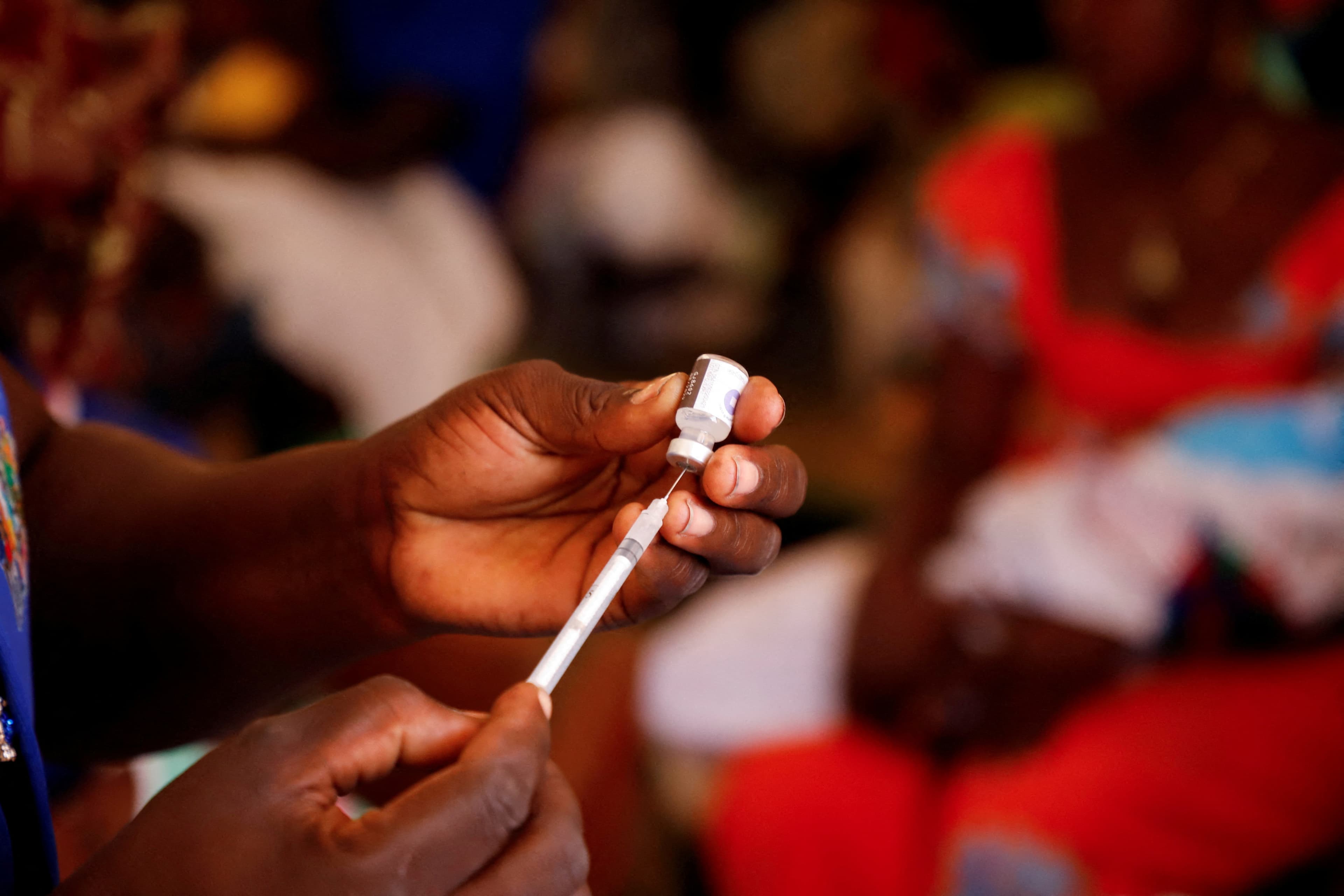
As revolutionary treatments for cancer and autoimmune diseases prepare to lose their exclusivity, the failure to swiftly introduce cheaper alternatives could trigger a massive public health crisis.
For developing nations like Kenya, where the healthcare budget is perennially stretched to the breaking point, the cost of advanced biologic drugs is often the barrier between life and death. The promised wave of cheaper, generic-style biosimilars is essential for democratizing access to critical care. Any delay in their development directly translates to prolonged suffering for millions of patients unable to afford branded medication.
According to a comprehensive report by Forbes and data from Cardinal Health, the pharmaceutical industry is approaching a historic precipice. Over the next decade, a slew of blockbuster treatments, including Merck's cancer immunotherapy Keytruda and Bristol Myers Squibb's Opdivo, will lose their protective patents. In 2026 alone, popular drugs like Humalog for diabetes and Xolair for asthma face the expiration cliff.
While the FDA has approved over 90 biosimilars since 2015, the pipeline is dangerously narrow. Analytics firm Iqvia highlights a disturbing trend: developers are almost exclusively targeting mega-blockbuster drugs with sales exceeding $1 billion (approx. KES 130 billion), completely abandoning effective medicines that generate slightly less revenue.
The primary antagonist in this scenario is bureaucratic and financial friction. Developing a biosimilar is not merely about reverse-engineering a pill; it requires massive clinical trials to prove efficacy matches the original biologic.
Recognizing the crisis, the US Food and Drug Administration (FDA) recently announced draft guidance aimed at drastically streamlining the approval process. These regulatory adjustments could shave up to $100 million (approx. KES 13 billion) off development costs and reduce the time to market to just two to three years. However, for many patients currently battling chronic illnesses, these interventions may arrive too late.
Furthermore, the opaque nature of global pharmaceutical pricing—where middlemen negotiate secret rebates—often prevents the true cost savings of biosimilars from reaching the patient. When brand-name manufacturers drastically slash prices the moment a patent expires, it suffocates the financial incentive for cheaper alternatives to even enter the market.
Without aggressive global intervention to subsidize the creation of these critical drugs, the medical advancements of the last twenty years will remain an exclusive luxury for the wealthy, leaving the global south to bear the brutal brunt of the drug development gap.
Keep the conversation in one place—threads here stay linked to the story and in the forums.
Sign in to start a discussion
Start a conversation about this story and keep it linked here.
Other hot threads
E-sports and Gaming Community in Kenya
Active 9 months ago
The Role of Technology in Modern Agriculture (AgriTech)
Active 9 months ago
Popular Recreational Activities Across Counties
Active 9 months ago
Investing in Youth Sports Development Programs
Active 9 months ago