We're loading the full news article for you. This includes the article content, images, author information, and related articles.
As global health authorities warn of a resurgence in bird flu cases, experts outline critical prevention measures to avert a potential pandemic and protect vulnerable populations.
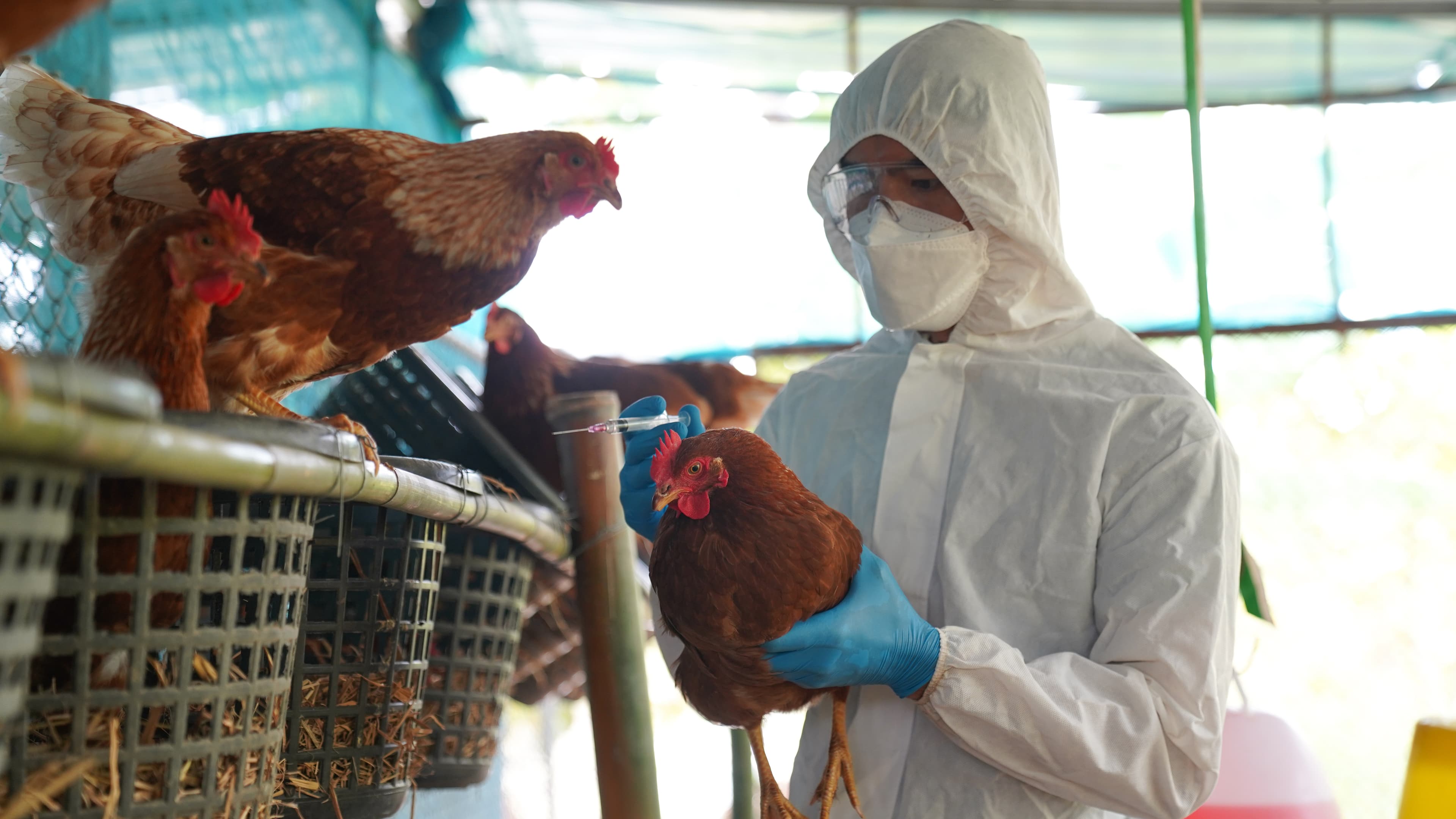
As global health authorities warn of a resurgence in bird flu cases, experts outline critical prevention measures to avert a potential pandemic and protect vulnerable populations.
The avian influenza, commonly known as bird flu, has resurfaced with alarming intensity globally. Health agencies worldwide are scrambling to contain fresh outbreaks that threaten both agricultural economies and international public health.
Why does this matter now? The rapid mutation of the virus presents a clear and present danger to human populations, necessitating immediate vigilance and proactive biosecurity measures across all sectors, particularly in East Africa where the poultry industry is a vital economic pillar that supports millions of livelihoods.
Recent reports indicate a significant uptick in bird flu cases globally, prompting renewed warnings from health experts and virologists. The World Health Organization and other leading epidemiological bodies are closely monitoring the situation as new strains jump from avian hosts to mammals. For Kenya, a country heavily reliant on agriculture, the implications are profoundly troubling. The local poultry sector, valued at approximately KES 50 billion, faces an existential threat if the virus breaches national borders. Farmers in highly productive regions like Kiambu, Nakuru, and Machakos are being urged to implement stringent biosecurity protocols immediately to avert a total collapse of their farming enterprises.
The economic fallout from a full-scale outbreak would be nothing short of devastating for the region. A mass culling of flocks would not only disrupt the supply chain but also lead to sky-rocketing prices for eggs and chicken meat, exacerbating the current high cost of living. The government must act swiftly to bolster surveillance at border points, enhance veterinary testing capabilities, and continuously educate farmers on early detection methods to prevent catastrophic losses.
Health professionals emphasize that prevention remains the most effective weapon against the spread of the highly pathogenic bird flu. The guidelines issued by health directorates are clear and must be followed rigorously by both those in the agricultural sector and the general public to cut off transmission pathways.
The resurgence of the virus could spell disaster for East Africa's fragile economic recovery. If the virus mutates further to allow sustained human-to-human transmission, the resulting pandemic could parallel or even exceed the economic devastation caused by recent global health crises. Healthcare systems across the region, which are already stretched thin by routine endemic diseases, would struggle massively to cope with a sudden influx of highly infectious patients requiring intensive respiratory care.
Furthermore, international trade restrictions would likely be imposed almost instantly on countries reporting unchecked outbreaks, crippling vital export markets. The Kenyan government must invest heavily in proactive vaccine research, stockpile antiviral medications, and prepare a comprehensive economic stimulus package to mitigate potential fallout should the virus severely impact the agricultural workforce.
Addressing the escalating bird flu threat requires a coordinated, multi-sectoral approach that transcends borders. Veterinary services, public health officials, border control agencies, and the mainstream media must collaborate closely to disseminate accurate, timely information and aggressively combat misinformation. Early warning systems across East Africa must be immediately upgraded to detect outbreaks before they spread uncontrollably into densely populated urban centres.
Ultimately, the battle against bird flu is a severe stress test of both global and regional pandemic preparedness. By learning from the systemic failures of past outbreaks and implementing robust biosecurity measures today, the absolute worst-case scenarios can still be avoided. "Vigilance is our absolute first line of defense; complacency is our greatest enemy in the face of this invisible, mutating threat," noted a leading Nairobi-based epidemiologist.
Keep the conversation in one place—threads here stay linked to the story and in the forums.
Sign in to start a discussion
Start a conversation about this story and keep it linked here.
Other hot threads
E-sports and Gaming Community in Kenya
Active 9 months ago
The Role of Technology in Modern Agriculture (AgriTech)
Active 9 months ago
Popular Recreational Activities Across Counties
Active 9 months ago
Investing in Youth Sports Development Programs
Active 9 months ago