We're loading the full news article for you. This includes the article content, images, author information, and related articles.
As traditional refinancing becomes prohibitively expensive, homeowners are increasingly pivoting to Home Equity Lines of Credit (HELOCs) to unlock capital, despite a steady uptick in borrowing costs.
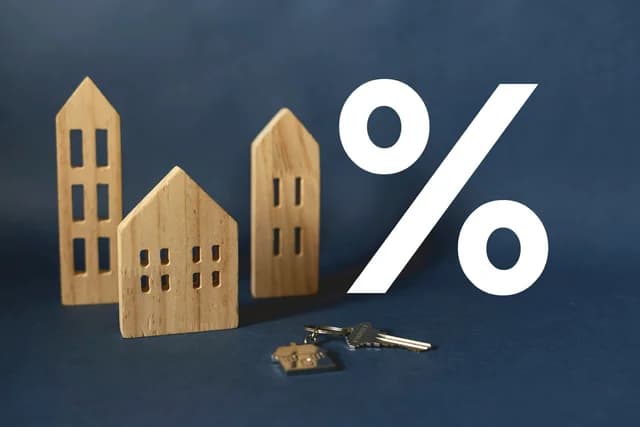
As traditional refinancing becomes prohibitively expensive, homeowners are increasingly pivoting to Home Equity Lines of Credit (HELOCs) to unlock capital, despite a steady uptick in borrowing costs.
The landscape of personal finance is rapidly evolving as property owners search for creative mechanisms to leverage their assets without surrendering their favorable legacy mortgage rates.
With benchmark refinancing rates cresting above 6 percent, the HELOC has emerged as the primary vehicle for tapping into trapped home equity. This matters now because the strategic shift toward equity-based borrowing indicates a resilient consumer base determined to access capital for renovations and debt consolidation, a trend that could inspire more flexible lending products in burgeoning African real estate markets.
A Home Equity Line of Credit functions much like a credit card secured by the borrower's home. Unlike a traditional cash-out refinance—which replaces the entire primary mortgage at the current, higher interest rate—a HELOC allows homeowners to borrow against their accumulated equity while leaving their original mortgage completely untouched.
However, this flexibility comes at a premium. HELOCs operate on variable interest rates tied to the prime rate, meaning that as central banks adjust macroeconomic levers, the borrower's monthly payments fluctuate. According to the latest Forbes Advisor data, HELOC rates remain elevated in response to broader anti-inflationary monetary policies.
For homeowners requiring immediate liquidity to fund massive home improvements or consolidate high-interest credit card debt, the HELOC remains the lesser of two evils compared to abandoning a 3 percent 30-year fixed mortgage.
The popularity of the HELOC in Western markets offers a compelling blueprint for East African financial institutions. In Kenya, where real estate valuations have soared over the past decade, a massive amount of wealth is locked in illiquid brick and mortar. The introduction and popularization of specialized, localized home equity products could radically alter the Kenyan credit landscape, providing middle-class homeowners with the capital necessary to launch small businesses or fund higher education.
While borrowing against one's home carries inherent risks—namely the threat of foreclosure in the event of default—it remains one of the most potent tools for generating wealth-building liquidity.
As global interest rates maintain their hawkish stance, the ability to creatively leverage existing assets will be the defining characteristic of financially resilient households.
As one industry expert stated, your home is no longer just a shelter; it is a vital financial instrument that demands active, strategic management.
Keep the conversation in one place—threads here stay linked to the story and in the forums.
Sign in to start a discussion
Start a conversation about this story and keep it linked here.
Other hot threads
E-sports and Gaming Community in Kenya
Active 9 months ago
The Role of Technology in Modern Agriculture (AgriTech)
Active 9 months ago
Popular Recreational Activities Across Counties
Active 9 months ago
Investing in Youth Sports Development Programs
Active 9 months ago