We're loading the full news article for you. This includes the article content, images, author information, and related articles.
The catastrophic collapse of Antarctic sea ice is turning a vital biological process into a death trap for Emperor penguins, sparking fears of an impending extinction-level event for the iconic species.
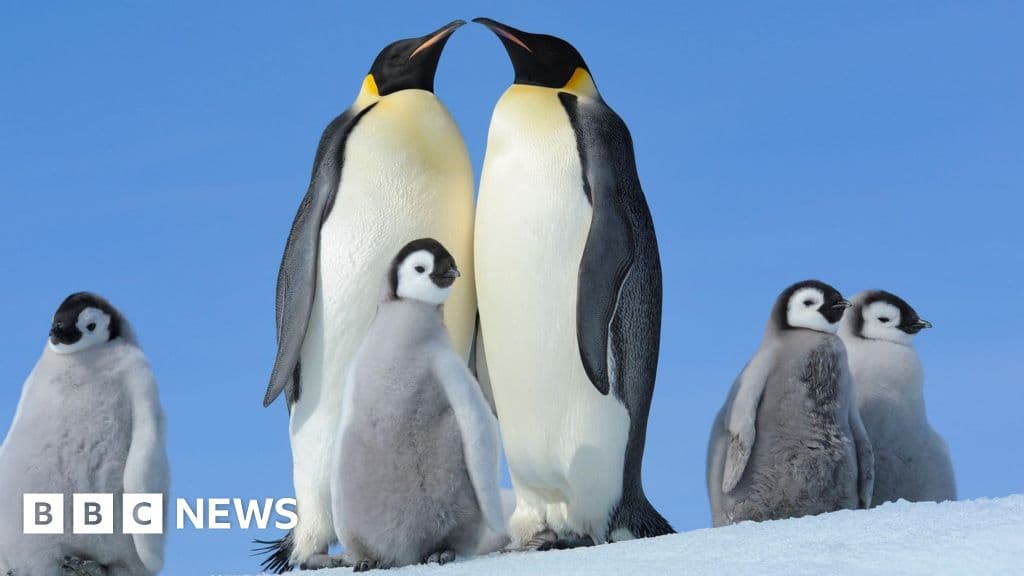
The catastrophic collapse of Antarctic sea ice is turning a vital biological process into a death trap for Emperor penguins, sparking fears of an impending extinction-level event for the iconic species.
In the frozen expanses of West Antarctica, a silent tragedy is unfolding. The delicate balance of nature has been violently disrupted by rapidly accelerating global warming.
Scientists utilizing high-resolution satellite imagery have discovered that the annual "catastrophic moult"—a necessary period where penguins shed and regrow their waterproof feathers—is now leading to mass casualties. This matters now because the rapid decline of apex predators in the Antarctic serves as a dire warning system for global climate stability, directly foreshadowing the rising sea levels threatening coastal East African cities like Mombasa.
Unlike other birds that lose a few feathers at a time, Emperor penguins undergo a brutal 30-to-40-day process where they shed their entire plumage simultaneously. During this vulnerable period, they are completely stripped of their thermal and waterproof insulation, making entering the freezing ocean an immediate death sentence.
To survive, the penguins migrate thousands of kilometers to find stable platforms of summer sea ice, waiting out the moult until their new coats grow in. However, data from the British Antarctic Survey, led by Dr. Peter Fretwell, reveals a horrifying new reality. Between 2022 and 2024, the Antarctic experienced an unprecedented shrinkage of sea ice.
West Antarctica, which houses up to 40 percent of the global Emperor penguin population, is bearing the brunt of this environmental collapse.
Dr. Fretwell described the findings as a severe "game-changing" moment. The inability of scientists to locate vast colonies that were previously tracked via satellite suggests a mortality rate that the species may not recover from. The Emperor penguin is now squarely among the most threatened animals on the planet.
While Antarctica feels a world away from the equator, the climatic forces destroying the sea ice are universally interconnected. The warming oceans that melt the ice shelves are the same waters generating increasingly volatile weather systems over the Indian Ocean. For Kenya, this translates to erratic rainfall, prolonged droughts, and severe coastal erosion.
The plight of the Emperor penguin is not an isolated zoological curiosity; it is a glaring distress signal from a planet in crisis.
As Dr. Fretwell solemnly noted, we are no longer observing a slow decline, but rather asking ourselves if we even have the time left to save them.
Keep the conversation in one place—threads here stay linked to the story and in the forums.
Sign in to start a discussion
Start a conversation about this story and keep it linked here.
Other hot threads
E-sports and Gaming Community in Kenya
Active 9 months ago
The Role of Technology in Modern Agriculture (AgriTech)
Active 9 months ago
Popular Recreational Activities Across Counties
Active 9 months ago
Investing in Youth Sports Development Programs
Active 9 months ago