We're loading the full news article for you. This includes the article content, images, author information, and related articles.
Jubilee SG Jeremiah Kioni stirs controversy by comparing Gachagua’s post-impeachment activities to the late Raila Odinga’s 30-year opposition legacy.

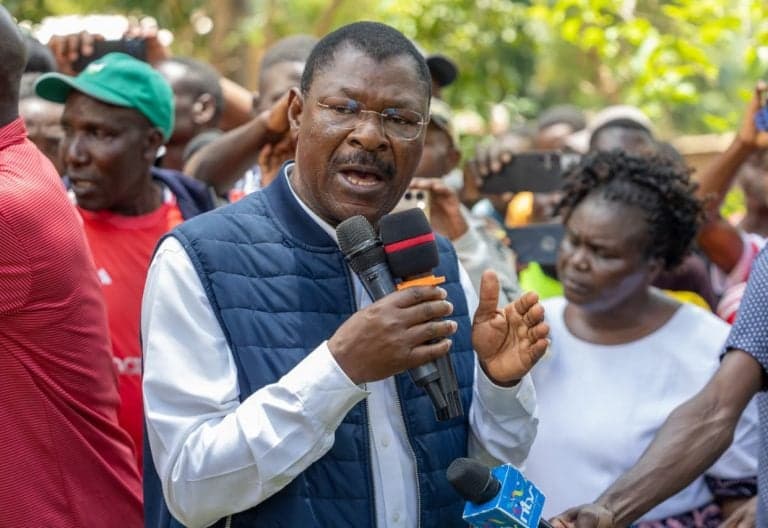
The high-altitude chill of Ol’Kalou, Nyandarua, on Tuesday, March 24, did little to dampen the combustible political atmosphere as Jubilee Party Deputy Leader Jeremiah Kioni took to the stage. Brandishing a simple aluminum sufuria—a potent symbol of the 2023 anti-tax protests—Kioni delivered a declaration that has since reverberated across the national political landscape. He claimed that the political achievements of former Deputy President Rigathi Gachagua in the roughly 18 months since his October 2024 impeachment now surpass the 30-year opposition legacy of the late Raila Odinga.
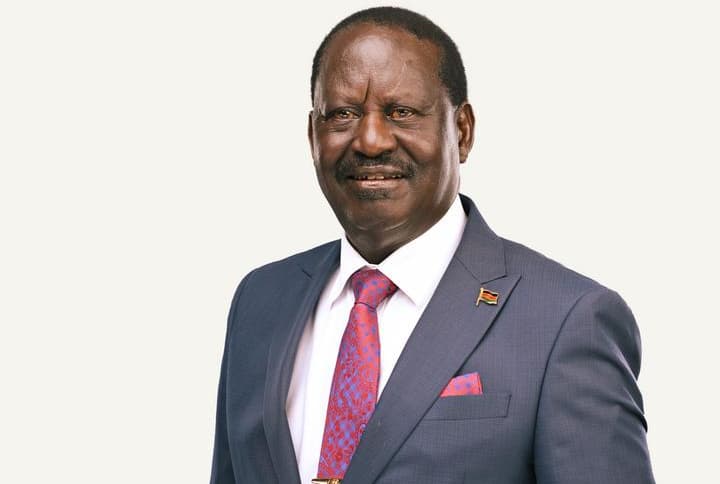
This assertion, delivered at the official launch of the Jubilee Party’s new Nyandarua County headquarters, is more than mere political hyperbole it is a calculated existential maneuver. For the informed observer, Kioni’s statement marks a pivotal shift in the pre-2027 electoral calculus, where traditional opposition narratives are being aggressively discarded in favor of a new, regional-centric political vehicle. The remark forces an uncomfortable confrontation between the venerated memory of Raila Odinga, who passed away on October 15, 2025, and the current, volatile ambitions of Rigathi Gachagua, who now leads the Democratic Citizens Party (DCP).
Raila Odinga’s political career, spanning over three decades, was defined by a slow, iterative process of challenging state power, often at great personal and physical cost. From the agitation for multi-party democracy in the 1990s to his five unsuccessful presidential bids, Odinga’s "opposition" was a marathon of building multi-ethnic coalitions, enduring state crackdowns, and redefining the constitutional architecture of the nation. In contrast, Gachagua’s opposition period has been characterized by a meteoric, reactive ascent born from the bitterness of his own removal from office.
Political analysts at the University of Nairobi argue that comparing the two is fundamentally flawed by the nature of their respective contexts. While Odinga fought to change the system from the outside for 30 years, Gachagua is attempting to cannibalize the current administration from within a fractured base, utilizing the deep-seated grievances of the Mount Kenya region. The data behind this shift is telling:
Kioni’s choice of the sufuria as a prop is deeply symbolic. It represents the 2023 cost-of-living protests that galvanized a generation but ultimately failed to secure immediate economic relief for the average Kenyan. By holding an empty pot, Kioni is telling the electorate that the old ways—protests that ended in negotiations between elites—are dead. He is framing Gachagua not as a successor to Odinga, but as a disruptor who understands the anger of a population that feels "empty-handed" despite the political dramas of the last few years.
This rhetoric is aimed squarely at the upcoming 2027 general election. The Jubilee Party, under the presidential ambitions of Fred Matiang’i, is clearly seeking to create a "united opposition" corridor through the Mount Kenya region. By aligning with Gachagua’s DCP, Kioni is attempting to consolidate a power bloc that can either act as a kingmaker or a dominant force, should the current administration fail to address the economic anxieties of the populace.
However, this strategy carries significant risk. The political history of Kenya is littered with regional coalitions that splintered under the weight of national ambitions. Gachagua’s rapid transformation from a deputy president to an opposition firebrand is viewed by some institutional actors as opportunistic rather than ideological. The challenge for this new Jubilee-DCP alliance is whether they can transition from a movement of grievance to one of governance.
During the Ol’Kalou event, the narrative was clear: the government is failing, and the time for traditional opposition polite-talk is over. Yet, as the country prepares for the next 20 months of the pre-election cycle, the question of whether this alliance can survive the inevitable pressure from state agencies and the hardening of national alliances remains unanswered. The electoral map of 2027 is still being drawn, and with the death of the nation’s most prominent opposition patriarch in late 2025, the vacancy at the top of the opposition is creating a scramble that is as much about survival as it is about leadership.
Whether Rigathi Gachagua can truly fill the vacuum left by Raila Odinga, or if this comparison will ultimately alienate the moderate voters that any winning presidential candidate must court, remains the defining question of the next year. For now, the political machine in Nyandarua is betting that the anger of the present is more powerful than the legacy of the past.
Keep the conversation in one place—threads here stay linked to the story and in the forums.
Sign in to start a discussion
Start a conversation about this story and keep it linked here.
Other hot threads
E-sports and Gaming Community in Kenya
Active 10 months ago
The Role of Technology in Modern Agriculture (AgriTech)
Active 10 months ago
Popular Recreational Activities Across Counties
Active 10 months ago
Investing in Youth Sports Development Programs
Active 10 months ago
Key figures and persons of interest featured in this article