We're loading the full news article for you. This includes the article content, images, author information, and related articles.
**Senate Speaker Amason Kingi has ignited the 2027 election debate, proclaiming President William Ruto will face no credible opposition. But with a restless populace and shifting alliances, is it a prophecy or a premature political gamble?**
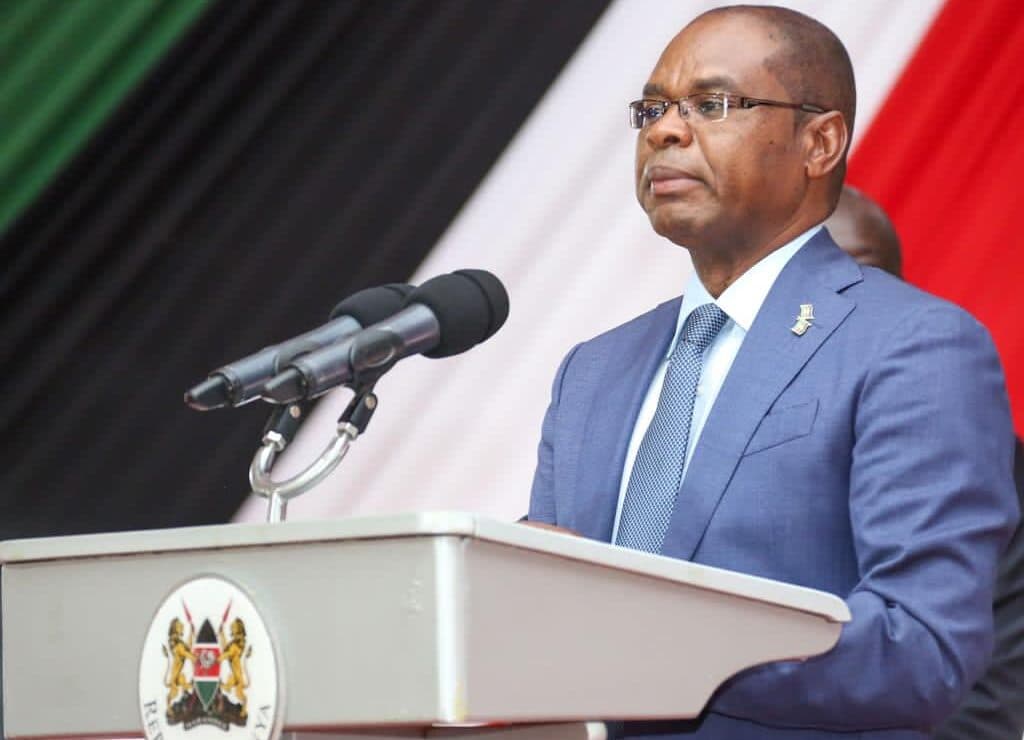
Senate Speaker Amason Kingi has thrown down the gauntlet, declaring President William Ruto’s path to a second term in 2027 is virtually assured. His bold assertion sets the stage for a turbulent political season, two years ahead of the official poll.
The declaration is more than just political flattery; it is a calculated move to solidify the President's base and frame the upcoming election narrative. It forces Kenyans to ask a critical question now: Is the Kenya Kwanza administration's performance strong enough to warrant a second term, or are simmering economic frustrations and a re-energized opposition a storm in waiting?
Kingi's confidence is rooted in the administration's own scorecard. The government points to significant strides in key sectors under its “Bottom-Up Economic Transformation Agenda” (BETA). A cornerstone achievement has been the fertilizer subsidy program, which supporters say has lowered costs for farmers and boosted maize production significantly. By investing over KES 12 billion in subsidies, the administration aims to tackle the high cost of food, a primary concern for millions of Kenyan households.
Beyond the farm, the government highlights progress in several areas:
Despite these reported successes, a different story emerges from street-level conversations and recent opinion polls. A September 2025 survey by Trends and Insights For Africa (TIFA) revealed that 62% of Kenyans believe the country is heading in the wrong direction, a sharp increase from 48% in 2023. This widespread dissatisfaction is largely fueled by persistent economic hardship and the rising cost of living.
The administration's aggressive tax measures have been met with significant public anger and protests, challenging the President's popularity. With Kenya's public debt reaching approximately KES 12 trillion by August 2025, concerns about fiscal sustainability cast a long shadow over the government's economic narrative.
The road to 2027 is far from clear. The political landscape is in constant motion, with new alliances forming and old ones fracturing. While Kingi, a former Raila Odinga loyalist who joined the Ruto camp ahead of the 2022 election, presents a united front, the governing coalition itself has seen internal strife.
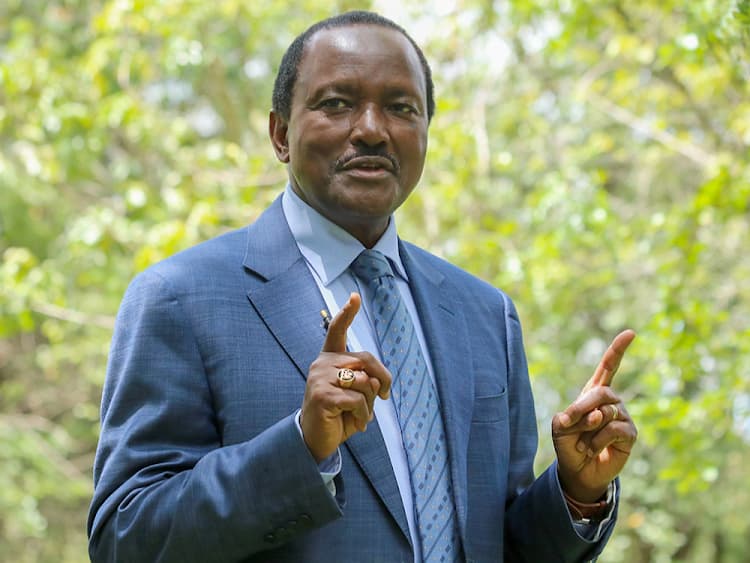
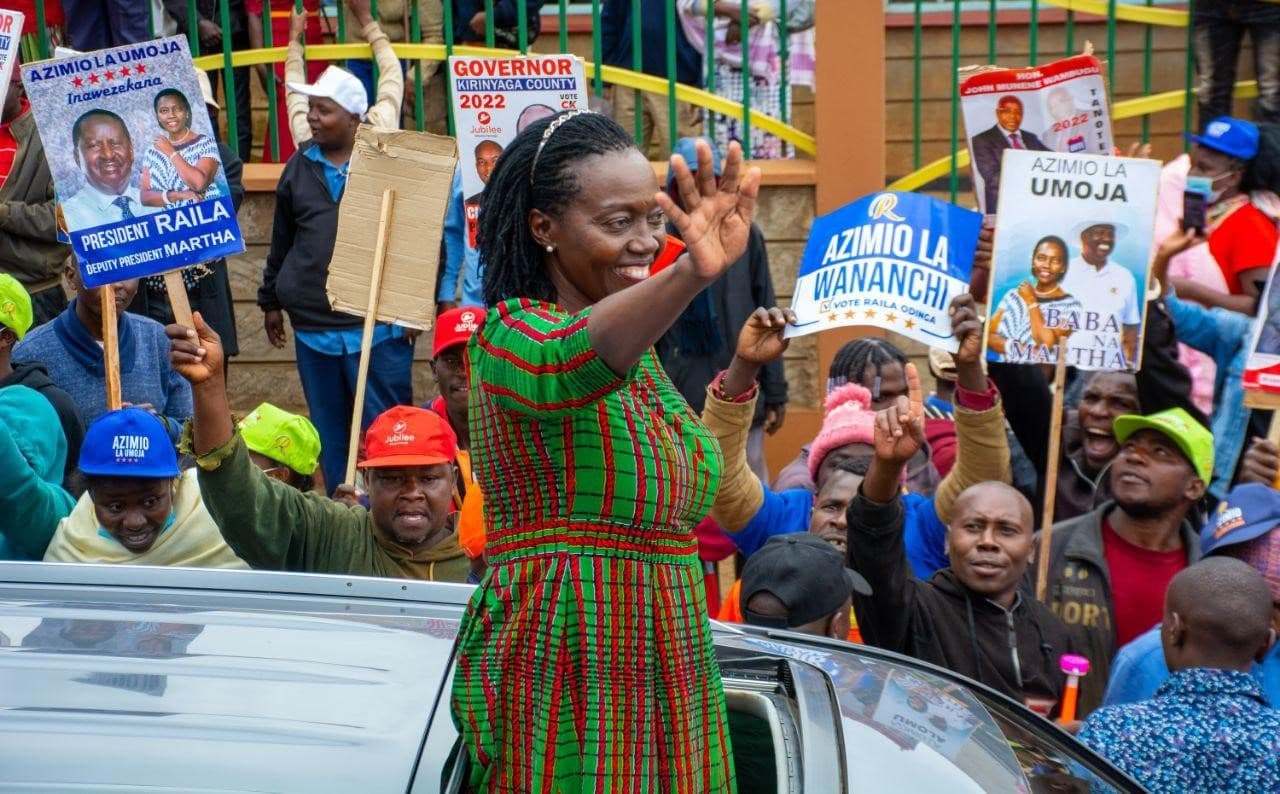
A crowded field of potential challengers is already emerging, signaling a highly competitive race. Figures like Azimio la Umoja co-principal Kalonzo Musyoka and Narc-Kenya leader Martha Karua are among the presidential hopefuls, suggesting the opposition is preparing for a major battle. Furthermore, the rise of an assertive youth movement, galvanized by the Gen Z protests, could disrupt traditional voting patterns, making the youth vote a pivotal, and unpredictable, factor.
Kingi's early, emphatic endorsement of his boss may be intended to project strength. However, as one political analyst noted, with a public struggling with the cost of living and a political class in flux, the President's chances of re-election are not guaranteed. The next two years will test whether the government's development agenda can put enough food on the table to convince a skeptical nation.
Keep the conversation in one place—threads here stay linked to the story and in the forums.
Sign in to start a discussion
Start a conversation about this story and keep it linked here.
Other hot threads
E-sports and Gaming Community in Kenya
Active 9 months ago
The Role of Technology in Modern Agriculture (AgriTech)
Active 9 months ago
Popular Recreational Activities Across Counties
Active 9 months ago
Investing in Youth Sports Development Programs
Active 9 months ago
Key figures and persons of interest featured in this article