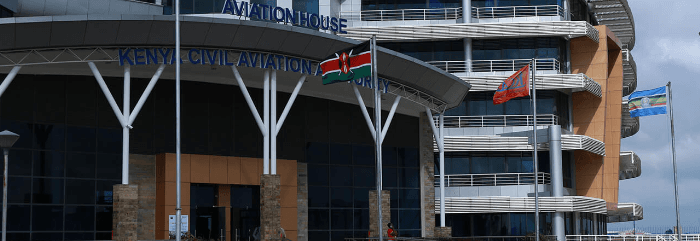
We're loading the full news article for you. This includes the article content, images, author information, and related articles.
Flights in and out of Kenya's main airport are being delayed following a planned strike by aviation industry workers.
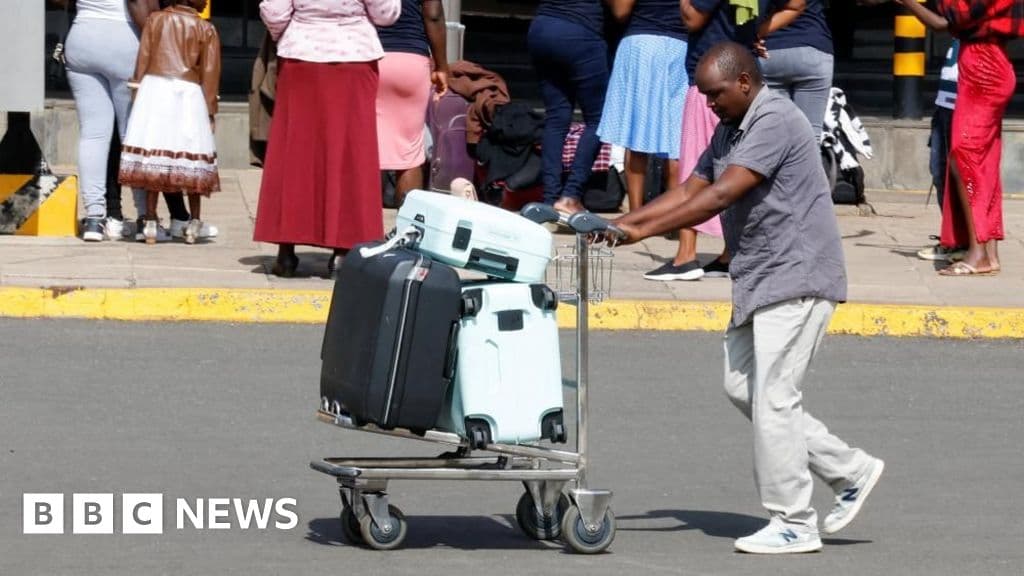
Travel chaos has engulfed Jomo Kenyatta International Airport (JKIA) as a strike by aviation workers paralyzed operations at East Africa’s busiest transport hub. Thousands of passengers are stranded, with flights grounded and tempers flaring in the departure lounges.
The paralysis began at 06:00 EAT, instigated by the Kenya Aviation Workers Union (KAWU). The impact was immediate and severe. Departing flights have faced delays of up to four hours, and arriving aircraft have been forced into holding patterns or diverted as ground services ground to a halt.
This is not just a logistical hiccup; it is a stranglehold on Kenya’s economic gateway. JKIA is the nerve center for regional trade, tourism, and horticulture exports. Every hour of downtime bleeds millions of shillings from the economy.
Inside the terminals, the scene is one of frustration and resignation. Passengers report being kept seated inside aircraft for extended periods on the tarmac, waiting for clearance that never comes. "We have been sitting here for three hours. No air conditioning, no information, just waiting," said one passenger scheduled to fly to Dubai.
Kenya Airways, the national carrier, issued a statement acknowledging the crisis: "We are experiencing air traffic control operational delays affecting certain departures and arrivals." The airline apologized, but apologies do little to soothe travelers missing connecting flights or rotting perishables in the cargo hold.
At the heart of the strike is a bitter dispute over pay and working conditions. KAWU Secretary-General Moss Ndiema has been vocal about the grievances, accusing the Kenya Civil Aviation Authority (KCAA) and the Kenya Airports Authority (KAA) of bad faith.
The union cites stalled negotiations regarding a Collective Bargaining Agreement (CBA), delayed union remittances, and alleged discrimination against workers. "There's a big backlog. Planes are hardly leaving the airports," Ndiema stated, emphasizing that the strike would continue until their demands are met.
The workers argue that while the aviation sector has recovered from the pandemic-induced slump, their remuneration has remained stagnant. They claim they are subsidizing the recovery with their underpaid labor.
The Kenya Airports Authority (KAA) claims to have activated "contingency plans" to mitigate the disruption. However, the reality on the ground suggests these measures are insufficient. Essential ground services—from baggage handling to marshaling—rely on the very workforce that is currently picketing.
This strike serves as a stress test for Kenya's aviation infrastructure. It exposes the fragility of a system that relies heavily on a dissatisfied workforce. The government is under immense pressure to intervene. Tourism Minister and Transport officials are reportedly scrambling to broker a truce, fearing reputational damage to "Brand Kenya."
For now, the screens at JKIA flash red with "DELAYED" and "CANCELLED." Until a resolution is reached, the skies over Nairobi will remain unusually quiet, while the terminals below boil over with noise.
Keep the conversation in one place—threads here stay linked to the story and in the forums.
Sign in to start a discussion
Start a conversation about this story and keep it linked here.
Other hot threads
E-sports and Gaming Community in Kenya
Active 9 months ago
The Role of Technology in Modern Agriculture (AgriTech)
Active 9 months ago
Popular Recreational Activities Across Counties
Active 9 months ago
Investing in Youth Sports Development Programs
Active 9 months ago
Key figures and persons of interest featured in this article