We're loading the full news article for you. This includes the article content, images, author information, and related articles.
Senior Counsel Martha Karua and Winnie Byanyima raise alarm over Kizza Besigye's worsening health.

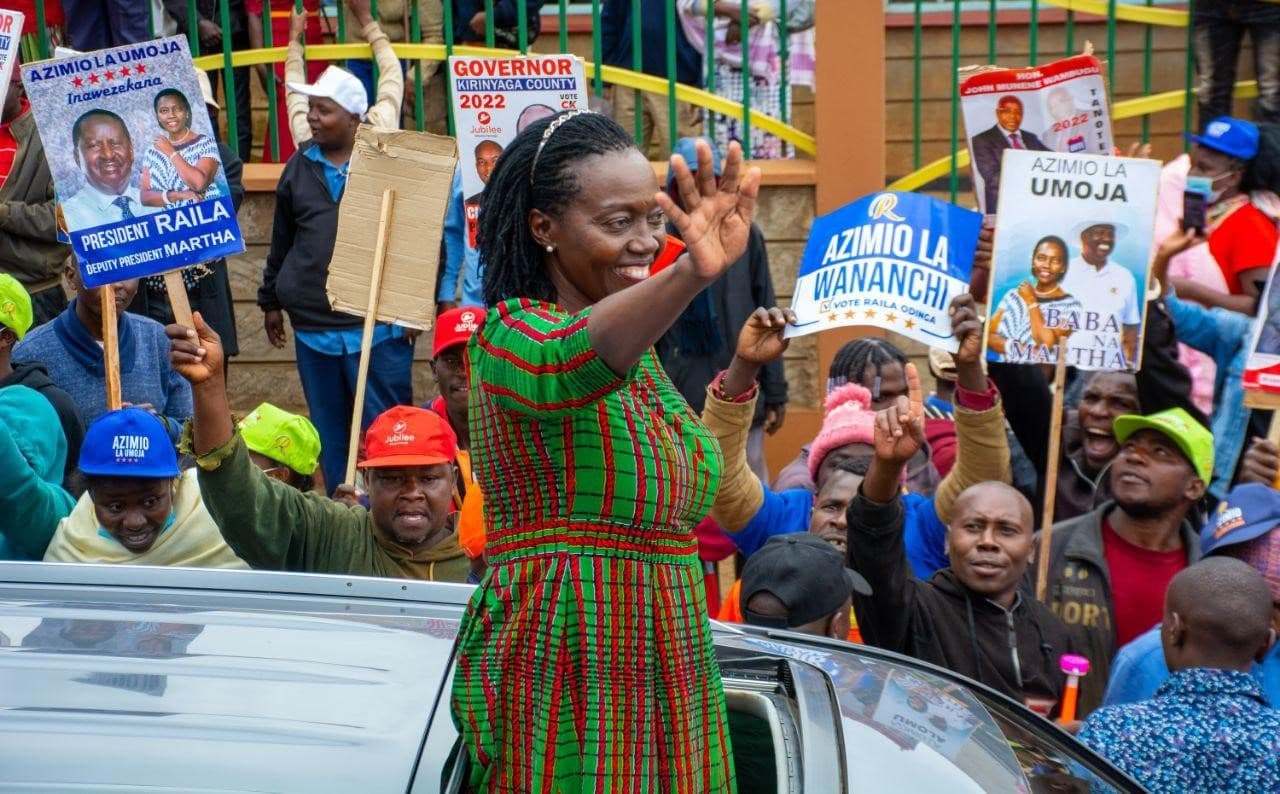
Senior Counsel Martha Karua and Winnie Byanyima have raised the alarm over Dr. Kizza Besigye's deteriorating health and the prolonged delay in his trial before a Ugandan military court following his controversial extraction from Nairobi.
The pursuit of justice has transformed into a high-stakes waiting game as legal teams and family members of Ugandan opposition stalwart Dr. Kizza Besigye decry the stalling of his treason trial. The veteran politician remains incarcerated under military jurisdiction, sparking outrage across East Africa.
This development is not merely a domestic Ugandan issue; it represents a profound test of diplomatic relations within the East African Community (EAC). The alleged abduction of a high-profile figure from Kenyan soil raises severe questions about cross-border security protocols, national sovereignty, and the expanding reach of regional security apparatuses into civilian jurisdictions. The situation demands immediate and transparent intervention to preserve the integrity of regional human rights frameworks.
Dr. Besigye's sudden disappearance from an apartment complex in Nairobi in late 2025 sent shockwaves through the region's human rights community. He later surfaced in a military detention facility in Makindye, Uganda, facing charges related to undermining national security. Kenyan authorities have remained largely tight-lipped, but legal titans like Martha Karua have taken up the mantle, demanding accountability and transparency from both Nairobi and Kampala.
According to statements released by his wife, UNAIDS Executive Director Winnie Byanyima, the opposition leader's health has taken a significant downward turn. Denied access to his personal physicians, Dr. Besigye is reportedly suffering without adequate medical intervention. The military court's repeated adjournments have only exacerbated the physical and psychological toll of his confinement, raising fears that his condition could become critical if left unaddressed by independent medical professionals.
The chilling effect of Dr. Besigye's ongoing ordeal is palpable across the entire East African Community. For political dissidents residing in Kenya, which has historically served as a relatively safe haven for regional exiles, the prevailing sentiment is one of acute vulnerability. If a figure of Besigye's international stature can be seamlessly transported across heavily monitored borders without legal recourse, lesser-known activists have little guarantee of safety or due process.
Martha Karua has forcefully articulated this precise concern, pointing out that Kenya's reputation as an anchor of constitutional democracy in the Horn of Africa is severely compromised by its apparent complicity or negligence. The economic integration promised by the EAC heavily relies on a foundational bedrock of shared democratic values and the strict rule of law. The current scenario significantly undermines foreign direct investment confidence, as arbitrary detentions and extrajudicial actions create a highly unpredictable socio-political environment for both citizens and corporate entities.
As the trial continues to experience unexplained and prolonged delays, the immediate focus has shifted from legal maneuvering to a desperate humanitarian appeal. Winnie Byanyima's public pleas have resonated profoundly with international human rights organizations, who are now intensely pressuring the Ugandan government to transfer Dr. Besigye to a fully equipped civilian hospital. The strategy of utilizing trial delays as a form of punitive pre-trial detention is a well-documented tactical maneuver aimed at breaking the physical and mental resolve of formidable political opponents.
The coming weeks will undoubtedly be critical for regional stability. If the military court proceeds without comprehensively addressing the substantive health concerns, it risks transforming a highly publicized political trial into an irreversible and catastrophic tragedy. The silence of the broader international community, particularly major donor nations and influential diplomatic missions, is increasingly being interpreted as a tacit approval of the regime's heavy-handed tactics.
The true measure of a robust democracy is not found within the ink of its constitutions, but in the equitable and humane treatment of its most vocal critics during their darkest hours.
Keep the conversation in one place—threads here stay linked to the story and in the forums.
Sign in to start a discussion
Start a conversation about this story and keep it linked here.
Other hot threads
E-sports and Gaming Community in Kenya
Active 9 months ago
The Role of Technology in Modern Agriculture (AgriTech)
Active 9 months ago
Popular Recreational Activities Across Counties
Active 9 months ago
Investing in Youth Sports Development Programs
Active 9 months ago
Key figures and persons of interest featured in this article