We're loading the full news article for you. This includes the article content, images, author information, and related articles.
As the Kenyan Premier League faces a critical weekend, financial instability and stadium shortages continue to undermine the sport`s potential.

The floodlights at the stadium flicker as players lace up their boots for another high-stakes weekend, yet the real battle for Kenyan football is playing out in the boardroom rather than on the pitch. While the league table reflects a fierce competition for supremacy, the wider ecosystem faces a volatile convergence of mounting debt, infrastructure deficits, and a looming deadline that threatens to strip the nation of its continental aspirations.
This weekend represents a critical juncture for the Football Kenya Federation (FKF) Premier League. As the title race reaches its apex, the contrast between the fanfare in the stands and the structural instability of the clubs has never been more pronounced. For the informed observer, this moment captures the fundamental tension within Kenyan football: a game driven by unparalleled grassroots passion but hamstrung by a precarious, often opaque, financial model that keeps many teams perpetually one bad month away from administrative collapse.
The logistical crisis facing the league is rooted in a fundamental shortage of adequate venues. With iconic hubs like the Kasarani and Nyayo national stadiums grappling with renovation delays and payment disputes, the local game has been forced into a nomadic existence. Recent disclosures from the Ministry of Sports reveal that contractors have vacated major sites due to outstanding government debts exceeding KSh 6.3 billion combined across various projects. This displacement forces clubs to play on substandard pitches, escalating the risk of player injury and limiting the quality of the broadcast product.
For fans, the impact is direct and tangible. Matches are frequently rescheduled or moved to remote venues, eroding the reliability of the matchday experience. Data from recent league fixtures suggests that whenever a major fixture is moved, gate revenue plummets, as the logistical hurdle for traveling supporters becomes insurmountable. The dream of a professionalized "stadium economy"—where venues operate as year-round entertainment districts—remains a distant aspiration rather than an immediate reality.
The financial disparity in the league is stark. While perennial giants like Gor Mahia continue to leverage their massive support base to generate revenue—sometimes eclipsing the million-shilling mark in single-match gate collections—smaller, community-oriented clubs are struggling to bridge the gap. These clubs often function as modern-day anomalies, attempting to compete in a professionalized era while operating on budgets that barely cover basic operational costs.
Economists tracking the sector note that the "community club" model, while culturally significant, lacks the institutional insulation required for modern sustainability. Without a systemic overhaul of how broadcasting rights and central sponsorships are distributed, these organizations remain vulnerable. Recent examples show that when revenue streams from gate collections are compromised by stadium bans or poor scheduling, the club’s ability to meet player payroll is the first sacrifice. This cycle of instability is not just a club-level issue it is a systemic flaw that discourages corporate investment and keeps the league from unlocking its full commercial potential.
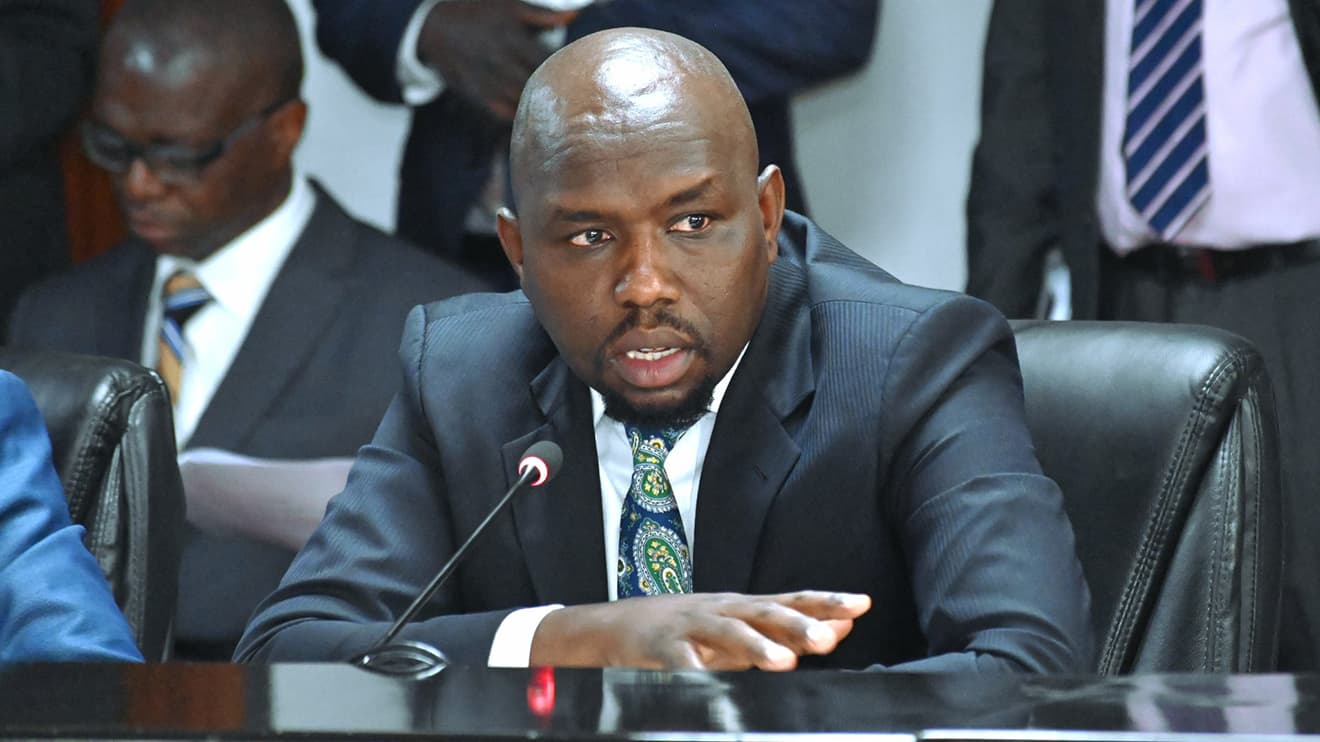
As the nation looks toward the 2027 AFCON, the government has begun exploring international partnerships to modernize the domestic sports economy. Interior Cabinet Secretary Kipchumba Murkomen’s recent diplomatic outreach to the United Kingdom, focusing on private investment in sports infrastructure, highlights a pivot toward the "Premier League" model. The goal is to bring in foreign expertise and private capital to build community hubs and high-performance training centers that operate independently of erratic government funding cycles.
However, the transition from current reality to this envisioned future is fraught with risk. The immediate priority is reconciling the national budget to protect the AFCON bid, as the March 30 deadline looms large. Failing this, the momentum gained over the past eighteen months could evaporate, leaving the country with half-finished "white elephant" stadiums and a league that has failed to capitalize on the most promising opportunity for growth in a decade.
Ultimately, the intensity of this weekend’s clashes is a testament to the talent and dedication of the players and the unwavering loyalty of the fans. Yet, passion alone cannot sustain a professional league. Unless the fundamental questions of fiscal responsibility, infrastructure availability, and equitable revenue distribution are resolved, the beautiful game in Kenya will continue to lurch from one high-octane weekend to the next, perpetually caught between its immense potential and the cold reality of its own ledger.
Keep the conversation in one place—threads here stay linked to the story and in the forums.
Sign in to start a discussion
Start a conversation about this story and keep it linked here.
Other hot threads
E-sports and Gaming Community in Kenya
Active 10 months ago
The Role of Technology in Modern Agriculture (AgriTech)
Active 10 months ago
Popular Recreational Activities Across Counties
Active 10 months ago
Investing in Youth Sports Development Programs
Active 10 months ago
Key figures and persons of interest featured in this article