We're loading the full news article for you. This includes the article content, images, author information, and related articles.
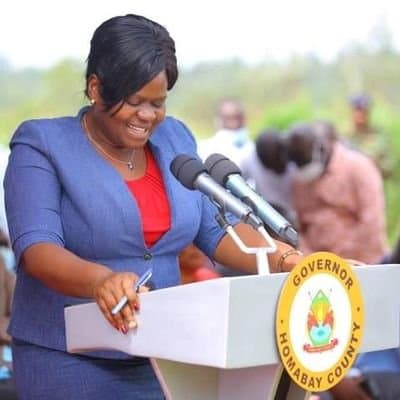
Governor Wanga faces backlash over new cabinet and deputy governor picks amid constitutional gender rule concerns.

The political landscape in Homa Bay County has shifted dramatically following Governor Gladys Wanga’s latest executive overhaul, triggering a fierce debate over constitutional compliance and regional representation. The nomination of a new Deputy Governor and a sweeping cabinet reshuffle—unveiled earlier this week—has met immediate resistance from critics who argue the moves ignore the spirit of Kenya’s gender representation mandates.
At the center of the storm is the nomination of Danish Otieno Onyango to fill the vacancy left by the February 26 resignation of former Deputy Governor Oyugi Magwanga. While the governor frames the move as a necessary consolidation of her administration to accelerate development, opposition voices have labeled it a missed opportunity for gender parity. For residents of Homa Bay, the question is no longer just about who occupies the office, but whether the executive structure reflects the constitutional promise of the two-thirds gender rule.
Governor Wanga’s executive order, issued on March 16, 2026, serves as a decisive pivot point for her second term. By nominating Onyango, a seasoned public servant who previously led the Roads and Public Works docket, the governor aims to stabilize an administration that has been visibly fractured by the high-profile exit of her former deputy. The cabinet reorganization goes deeper, involving the appointment of new County Executive Committee Members (CECMs) and the reassignment of long-serving officials to different portfolios.
The cabinet changes include the following key appointments:
Analysts note that while the governor justifies these moves through the lens of institutional efficiency and "result-based performance," the demographic composition of the cabinet is drawing renewed scrutiny. The move to consolidate specific departments under officials who have been long-term allies of the current administration has led to murmurs of an "echo chamber" executive, with some local political analysts questioning if the talent pool is being sufficiently widened.
The core of the current backlash rests on Article 27(8) of the Kenyan Constitution, which mandates that no more than two-thirds of members of elective or appointive bodies shall be of the same gender. In a county where women’s political participation is championed, critics argue that the recent appointments do not sufficiently advance the gender equity agenda. The "two-thirds gender rule" has been a perennial battleground in Kenyan politics since the 2010 constitution was adopted, and Homa Bay’s latest developments bring this tension back to the local level.
Civil society groups and gender activists in the region have begun to question the arithmetic behind Wanga’s new cabinet. While the governor maintains that all nominees have been vetted for integrity and competence, the exclusion of new female faces in this specific high-level reshuffle has been flagged by activists as a regression. The argument is simple: governance must not only be efficient it must be representative. When a leadership team lacks diverse gender representation, it potentially misses out on the multifaceted perspectives required to address issues like the maternal mortality rate, girl-child education, and the specific economic challenges facing Homa Bay’s female traders.
The political atmosphere is further complicated by the impending 2027 election cycle. The resignation of former Deputy Governor Magwanga, who publicly cited frustration with the county’s leadership, has emboldened opposition figures to view every executive action as a move in a wider chess match. Magwanga’s intention to challenge Wanga in the next election means that the current administration is operating under a microscope. Every appointment, every budget allocation, and every policy shift is interpreted by his supporters as either a strategic masterstroke or a tactical error.
The county assembly is now the final arbiter. As the nominees prepare for vetting, the spotlight shifts to the Members of County Assembly (MCAs). Will the assembly prioritize the governor’s agenda, or will they leverage the gender rule concerns to demand a more inclusive lineup? The assembly’s decision will likely define the political trajectory for Homa Bay for the remainder of the governor’s term.
Ultimately, Wanga is caught in a difficult balancing act. She must deliver on her ambitious infrastructure projects—the hallmark of her tenure so far—while maintaining the political capital required to govern effectively. If the constitutional backlash grows, she may find her legislative agenda stalled by the very gender and inclusivity issues she once campaigned to solve. The coming weeks will reveal if she can navigate this tension, or if the current reshuffle has inadvertently opened a new front in her battle for political survival.
Keep the conversation in one place—threads here stay linked to the story and in the forums.
Sign in to start a discussion
Start a conversation about this story and keep it linked here.
Other hot threads
E-sports and Gaming Community in Kenya
Active 10 months ago
The Role of Technology in Modern Agriculture (AgriTech)
Active 10 months ago
Popular Recreational Activities Across Counties
Active 10 months ago
Investing in Youth Sports Development Programs
Active 10 months ago
Key figures and persons of interest featured in this article