We're loading the full news article for you. This includes the article content, images, author information, and related articles.
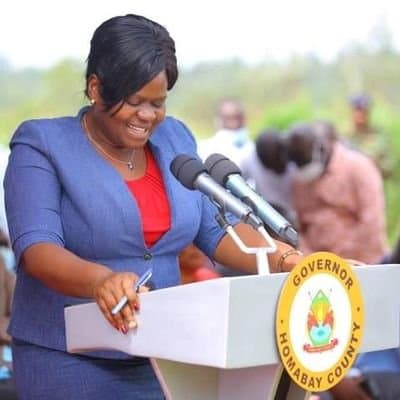
Homa Bay Governor Gladys Wanga coordinates with regional clergy to ensure the President’s visit focuses on regional development rather than friction.

In the quiet anticipation that precedes a presidential visit to an opposition stronghold, Governor Gladys Wanga has initiated a strategic series of high-level consultations with religious leadership in Homa Bay. This maneuver, aimed at solidifying regional cohesion, signals a calculated attempt to frame President William Ruto’s upcoming visit through the lens of developmental progress rather than partisan friction. By bridging the gap between the national executive and the local clergy, Wanga is effectively managing the optics and the administrative agenda of a high-stakes state visit.
For the residents of Homa Bay, the arrival of a sitting president from the Kenya Kwanza administration is rarely just a ceremonial affair it is a moment of intense political scrutiny. With Governor Wanga firmly rooted in the Orange Democratic Movement, the diplomatic choreography required to host President Ruto is complex. These meetings with church leaders serve as a vital buffer, ensuring that the discourse during the President’s tour remains anchored in the pressing socio-economic needs of the lakeside county, effectively insulating the visit from potential populist disruptions.
The role of the church in Nyanza politics has historically been profound, acting as a trusted intermediary in moments of intense national or regional transition. Governor Wanga’s decision to convene these leaders is not a passive act of courtesy but a deliberate administrative strategy. These religious institutions serve as the moral gatekeepers of the community, and their alignment with the Governor’s development agenda provides the necessary social license for a productive presidential tour.
Observers of regional politics note that this approach mirrors a broader shift in Kenya’s devolution landscape, where governors of all political affiliations are increasingly prioritizing resource acquisition over the rigid ideological warfare that characterized the previous decade. By securing the support of the clergy, Wanga is essentially pre-empting the political narrative, shifting the focus from the political divide between the national government and the region to the tangible requirements of Homa Bay’s constituents.
The economic reality of Homa Bay demands a pragmatic relationship with the national government. With a population that relies heavily on agriculture and the informal fishing sector, the county faces significant challenges in value addition and market access. Economic analysts at the University of Nairobi emphasize that the cost of isolation for a county can be measured in stalled infrastructure projects and delayed disbursements of national revenue allocations. Consequently, Wanga’s outreach is a tactical necessity to ensure that national budget commitments for projects like the Lake Basin Development Authority initiatives are honored and fast-tracked.
This pragmatism is not without its domestic critics, who remain wary of the influence of the national government within an opposition base. However, the Governor’s administrative record has consistently prioritized the completion of stalled projects over abstract political posturing. The meeting with church leaders is therefore framed as a community-wide endorsement of this collaborative stance, reinforcing the message that the development of Homa Bay transcends national political competition. By bringing the church into the planning fold, the county leadership is creating a unified front that makes it difficult for political spoilers to derail the visit.
Historically, presidential visits to Nyanza have been characterized by volatility, with the reception ranging from enthusiastic welcomes to protests rooted in electoral grievances. The current climate, however, suggests a hardening resolve among local leadership to move toward post-election stability. The collaboration between the Governor and the clergy is a direct response to this need for stability. It is a signal that the county is open for business and that the visit will be judged by the concrete economic outcomes it produces rather than the political rhetoric it generates.
As the date of the presidential visit approaches, the focus in the county secretariat is on the granular details of implementation. From ensuring that local youth are prioritized in upcoming job creation programs to verifying the timelines for the construction of water treatment plants, the Governor’s team is operating with a sense of urgency. The church, acting as a monitor, will be expected to hold the national government accountable to the promises made during this tour, transforming the event from a mere political rally into an exercise in transparency and governance. The success of this visit will likely serve as a blueprint for how other opposition-led counties engage with the central government in the remaining years of the current administration.
Ultimately, the upcoming visit is more than a diplomatic courtesy it is a test of the maturity of Kenya’s devolved system. Whether the tangible outcomes of this visit—in terms of road infrastructure, investment in the blue economy, and healthcare capacity—will match the political choreography remains the question that will define the legacy of this administrative engagement.
Keep the conversation in one place—threads here stay linked to the story and in the forums.
Sign in to start a discussion
Start a conversation about this story and keep it linked here.
Other hot threads
E-sports and Gaming Community in Kenya
Active 10 months ago
The Role of Technology in Modern Agriculture (AgriTech)
Active 10 months ago
Popular Recreational Activities Across Counties
Active 10 months ago
Investing in Youth Sports Development Programs
Active 10 months ago
Key figures and persons of interest featured in this article