We're loading the full news article for you. This includes the article content, images, author information, and related articles.
Polling stations have officially opened across four distinct electoral areas in Kenya, with the spotlight intensely focused on the fiercely contested parliamentary seat in Isiolo South.
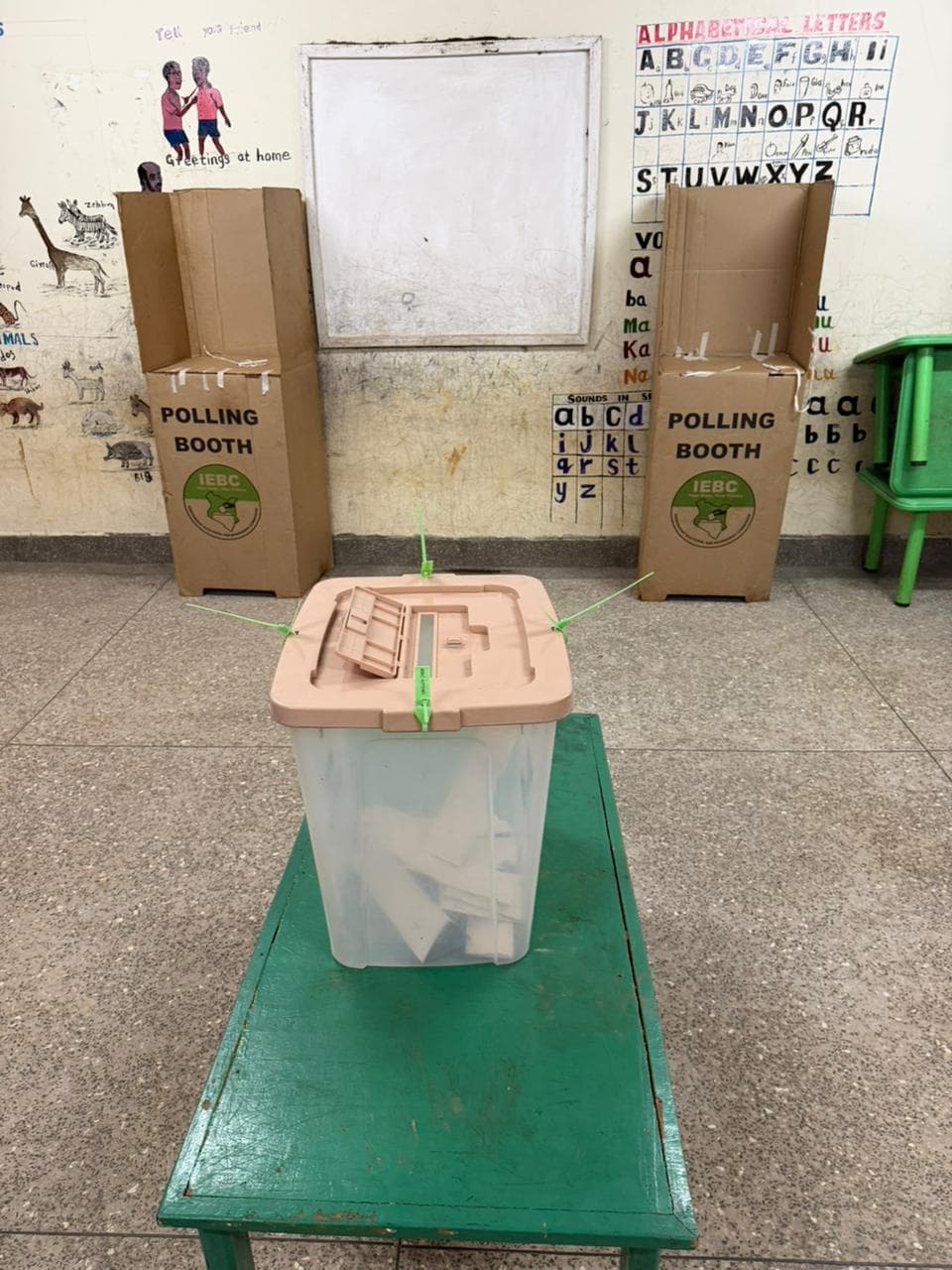
Polling stations have officially opened across four distinct electoral areas in Kenya, with the spotlight intensely focused on the fiercely contested parliamentary seat in Isiolo South.
Thousands of registered voters braved the early morning chill to cast their ballots, setting the stage for a crucial political showdown that will redefine local leadership architectures.
By-elections in Kenya are rarely merely about replacing a vacant seat; they serve as a high-stakes litmus test for the prevailing national political temperature. For the residents of Isiolo South, Kakamega, and Embu, today's vote is an opportunity to voice their demands for better resource allocation, enhanced security, and robust grassroots development.
The parliamentary vacancy in Isiolo South was tragically triggered by the untimely demise of the former Member of Parliament, Mohamed Tupi Bidu. The constituency, characterized by its expansive arid landscapes and complex pastoralist dynamics, commands a critical position in Northern Kenya's political matrix.
At Kinna Primary School, one of the primary tallying centers, eager voters like Ibrahim Dadacha were seen casting their ballots shortly after the gates opened. The Independent Electoral and Boundaries Commission (IEBC) confirmed that a total of 22,216 registered voters are eligible to participate in this specific constituency, with security apparatus heavily deployed to ensure a seamless and peaceful electoral process.
While the parliamentary race commands the national headlines, the ward elections in Kakamega and Embu hold equal gravity for localized governance. The West Kabras ward in Kakamega has witnessed intense, door-to-door campaigning as rival political factions attempt to assert dominance in the vote-rich Western region.
Similarly, the Evurore and Muminji wards in Embu County have become battlegrounds for competing development agendas. Candidates have heavily polarized the electorate over issues of agricultural subsidies, infrastructure repair, and youth employment—issues that resonate deeply with the rural demographic.
This mini-election arrives at a time when the IEBC is under intense public and parliamentary scrutiny. Facing budget constraints and internal restructuring following the exit of former CEO Hussein Marjan, the commission's ability to execute a flawless, transparent election today is paramount for restoring public confidence ahead of the 2027 general elections.
Election observers stationed across the four regions have so far reported a relatively smooth commencement, with electronic voter identification kits functioning optimally in the early hours.
As the ballot boxes fill, the nation watches closely. The outcomes will not only crown new leaders but will undoubtedly send powerful ripples through the corridors of Kenya's political establishment.
Keep the conversation in one place—threads here stay linked to the story and in the forums.
Sign in to start a discussion
Start a conversation about this story and keep it linked here.
Other hot threads
E-sports and Gaming Community in Kenya
Active 9 months ago
The Role of Technology in Modern Agriculture (AgriTech)
Active 9 months ago
Popular Recreational Activities Across Counties
Active 9 months ago
Investing in Youth Sports Development Programs
Active 9 months ago