We're loading the full news article for you. This includes the article content, images, author information, and related articles.
Zambian President Hakainde Hichilema, referencing his long road to power, made an impassioned call for stability in Tanzania, a key economic and infrastructural partner for Zambia and the wider East African region.
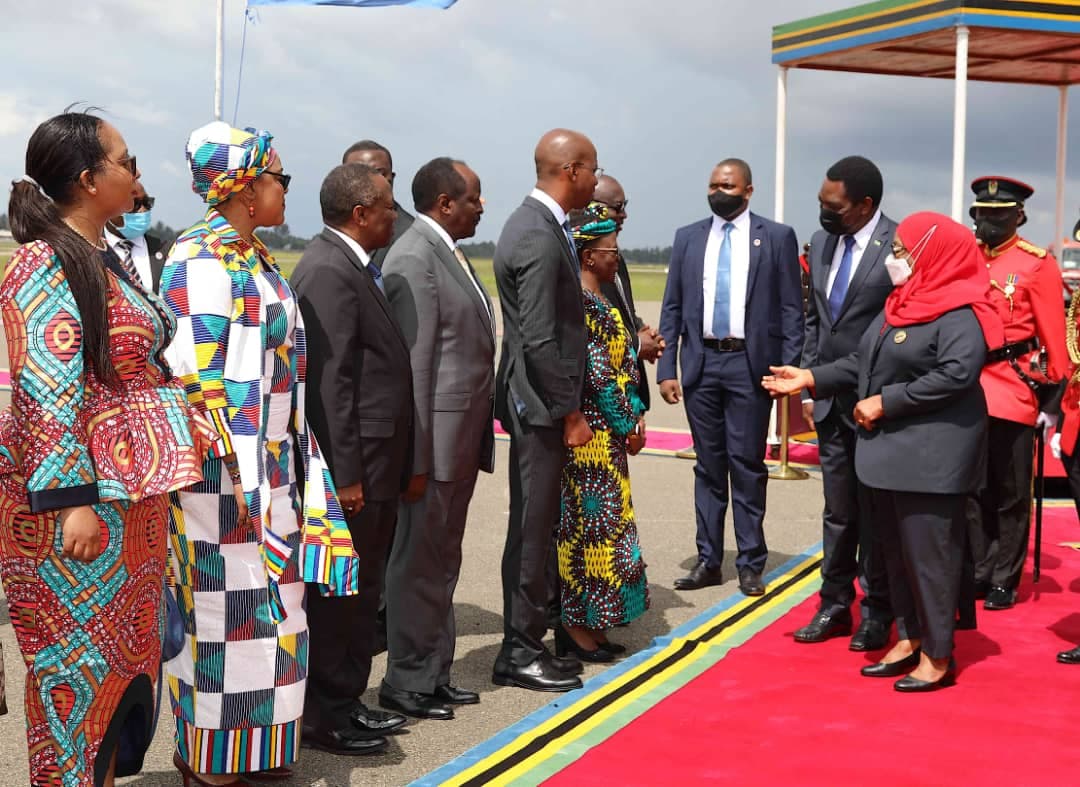
Drawing from his own protracted journey as an opposition leader, Zambian President Hakainde Hichilema on Monday, November 3, 2025, made a heartfelt appeal for peace and stability in Tanzania. Speaking in Dodoma during the inauguration of Tanzanian President Samia Suluhu Hassan, Hichilema invoked his past struggles to underscore the importance of peaceful political processes. His remarks come in the wake of a contentious Tanzanian general election held on October 29, 2025, which was followed by violent protests and a crackdown on opposition figures.
"Our political party in Zambia was in opposition for 33 years. I led the movement for 15 years and lost the elections," Hichilema stated, according to reports from the event. "I had motivation to go to the street when we felt cheated, but I said no one goes to the streets... I remained firm that I could not take our men and women on the streets, as their blood would be on my head." Hichilema, whose United Party for National Development (UPND) secured victory in the 2021 Zambian presidential election after five previous attempts, urged Tanzanians to protect their nation's long-standing peace. "What you have enjoyed over the years and decades must be protected at all costs," he urged.
Hichilema's call for calm resonated beyond Tanzania, particularly within the East African Community (EAC), where political stability is crucial for economic integration. His message was mirrored by his Kenyan counterpart, President William Ruto, who also congratulated President Suluhu and urged all political actors in Tanzania to uphold the rule of law. Kenya and Tanzania are significant trading partners, with deep historical and cultural ties, though their relationship has faced periods of economic friction. Both nations are key members of the EAC, a bloc aiming for deeper integration, including a common market and eventual political federation. Instability in a member state poses a significant threat to these regional ambitions.
The political situation in Tanzania has drawn international concern. The lead-up to the election was characterized by a crackdown on the opposition, including the arrest of Tundu Lissu, a prominent opposition leader from the CHADEMA party, which was ultimately barred from participating. Following the vote, which saw President Suluhu re-elected with a reported 97.66% of the vote, protests erupted in several cities. Opposition parties have alleged hundreds of fatalities in the ensuing clashes with security forces, a claim that is difficult to verify amid an internet shutdown. The United Nations has called for an impartial investigation into the allegations of excessive force.
For Zambia, the stability of its northeastern neighbor is of direct national interest. State House in Lusaka emphasized that President Hichilema's presence at the inauguration was driven by Zambia's long-term economic and diplomatic priorities. The two nations share critical infrastructure, including the TAZARA railway, the TAZAMA oil pipeline, and access to the Port of Dar es Salaam, which are vital for Zambia's trade and economic stability. Any disruption in Tanzania could have significant repercussions for Zambian citizens and commodity prices.
President Hichilema's own political history lends weight to his appeal. Before his landslide victory in 2021, he was a perennial opposition leader who faced numerous legal challenges, including a 2017 arrest and treason charge under the government of his predecessor, Edgar Lungu. His experience of navigating a tense political landscape without resorting to widespread civil unrest informs his current stance as a regional statesman. His journey from a long-time opposition figure to head of state is a narrative he now leverages to advocate for democratic principles and peaceful transitions on the continent. As the region watches the unfolding situation in Tanzania, Hichilema's words serve as a potent reminder of the hard-won nature of peace and the democratic ideals the East African Community aspires to uphold.
Keep the conversation in one place—threads here stay linked to the story and in the forums.
Sign in to start a discussion
Start a conversation about this story and keep it linked here.
Other hot threads
E-sports and Gaming Community in Kenya
Active 9 months ago
The Role of Technology in Modern Agriculture (AgriTech)
Active 9 months ago
Popular Recreational Activities Across Counties
Active 9 months ago
Investing in Youth Sports Development Programs
Active 9 months ago
Key figures and persons of interest featured in this article