We're loading the full news article for you. This includes the article content, images, author information, and related articles.
Legal titans including Martha Karua and Edwin Sifuna flocked to the Supreme Court to vote in the high-stakes LSK elections, while Speaker Moses Wetang’ula was dramatically barred from the ballot box.
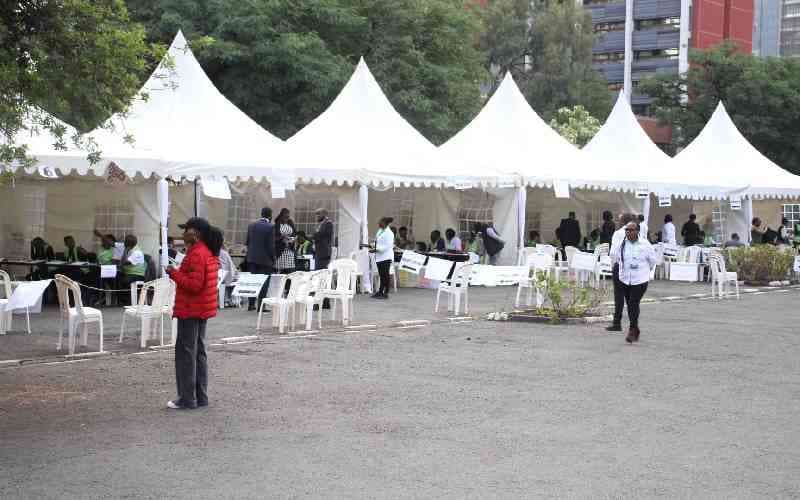
The grandeur of the Supreme Court served as the backdrop for a pivotal moment in Kenya’s legal history today. Legal titans and political heavyweights descended on the capital to cast their votes in the Law Society of Kenya (LSK) elections, a high-stakes exercise that will define the trajectory of the bar for the next two years.
The atmosphere at the Supreme Court polling station was electric, charged with the significance of the moment. The LSK is not merely a professional association; it is a critical guardian of the rule of law in Kenya, often serving as the last line of defense against executive overreach. As voting commenced at 6:00 AM, the turnout was initially sluggish but rapidly gained momentum as the country’s most prominent legal minds arrived to make their voices heard.
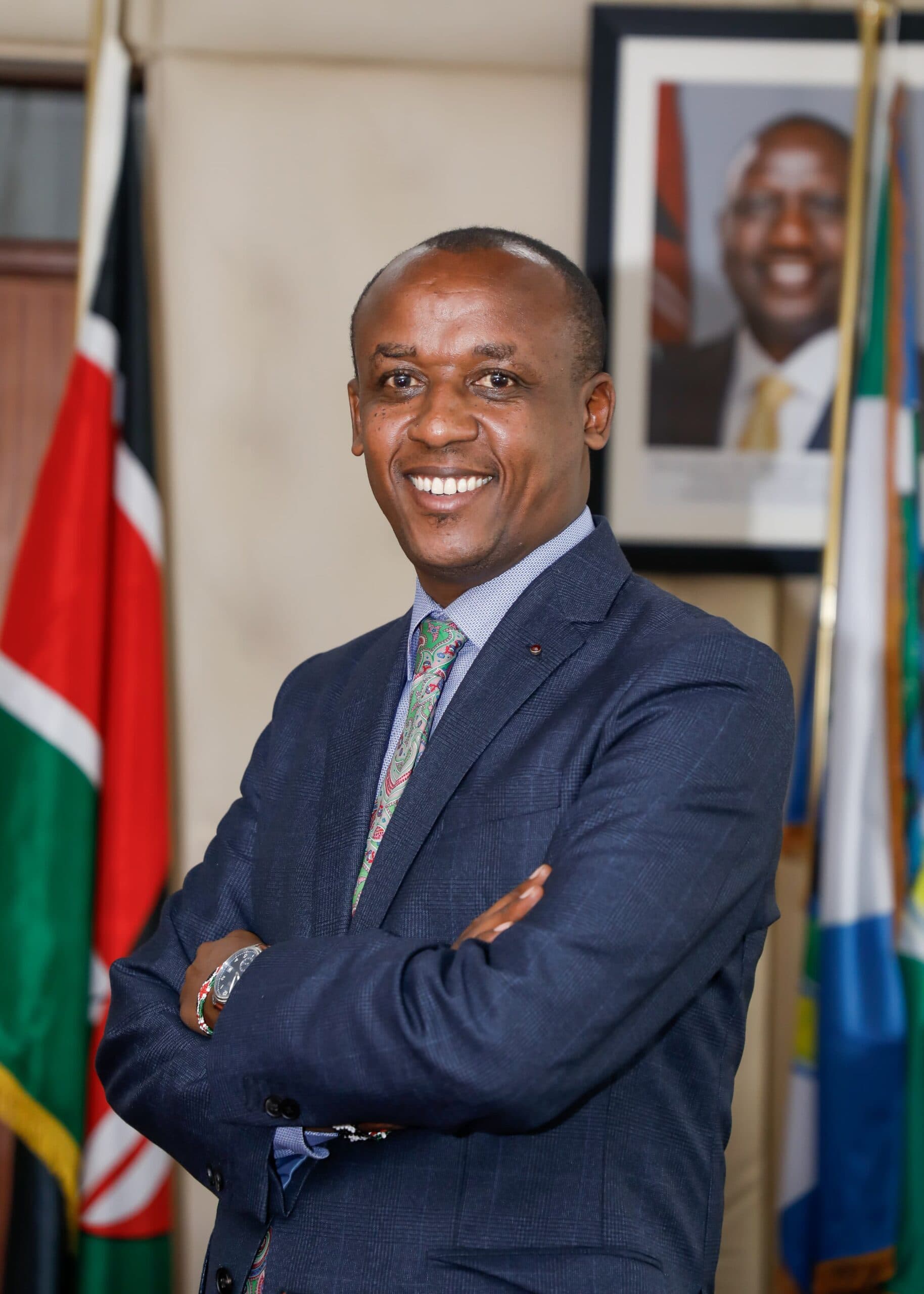
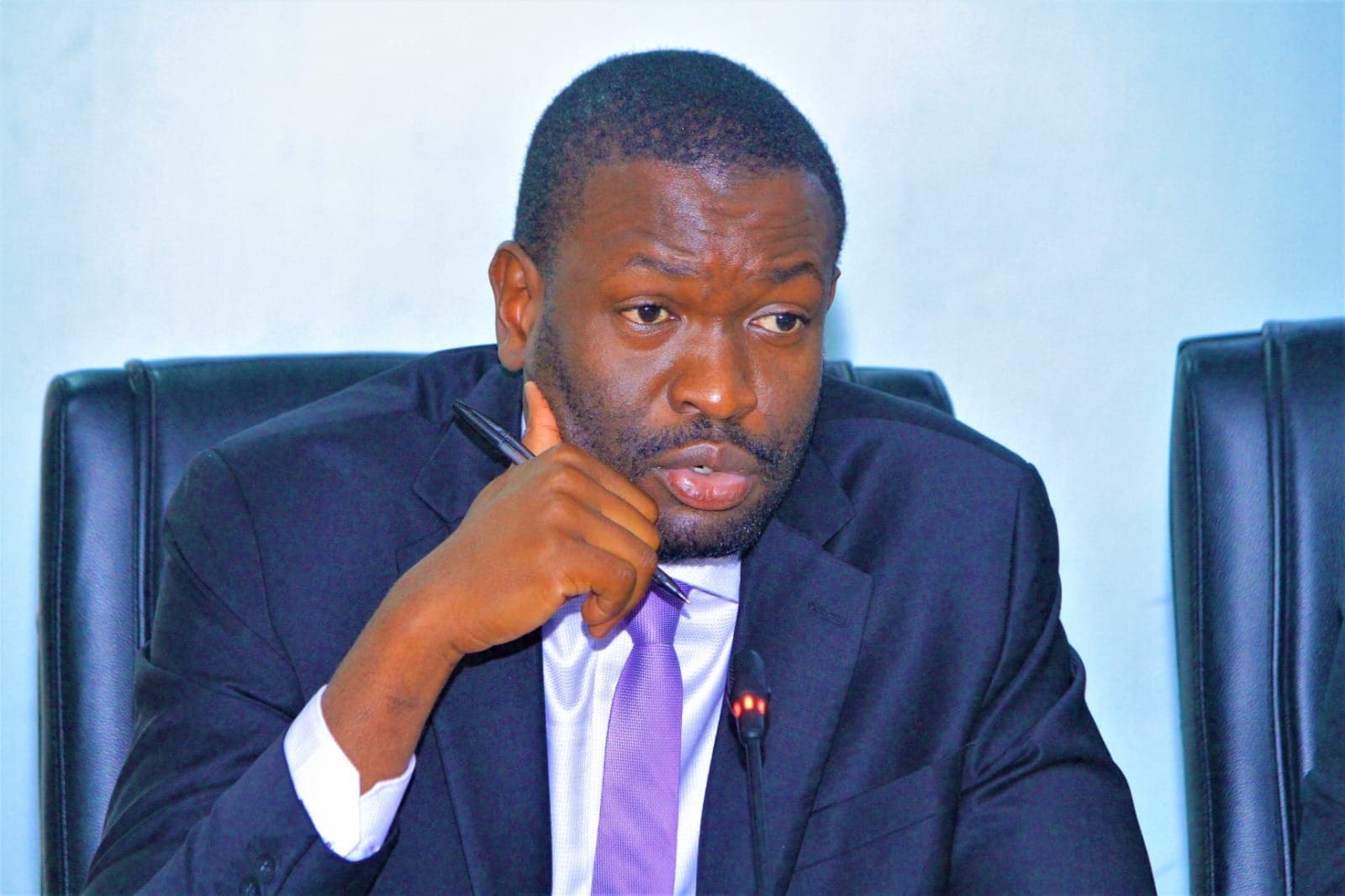
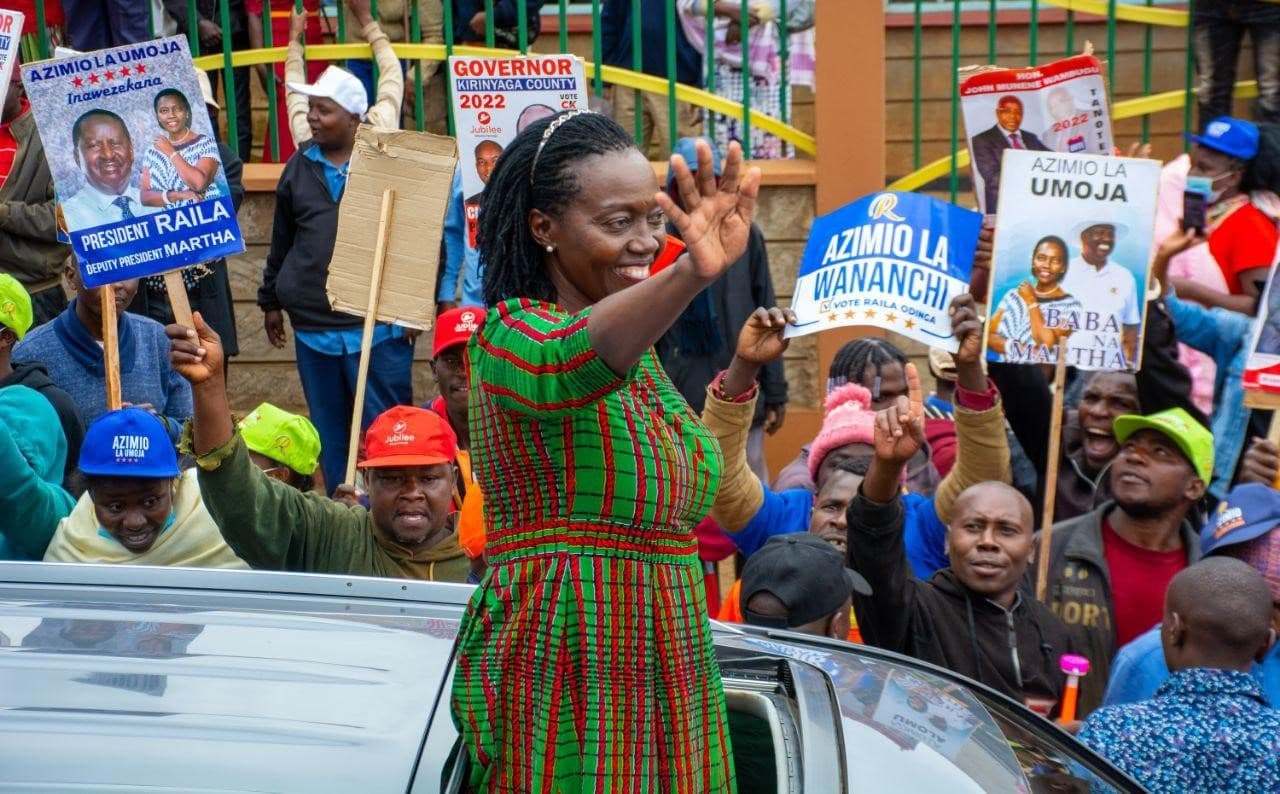
By mid-morning, the polling station had transformed into a runway of legal and political influence. Nairobi Senator Edwin Sifuna, known for his fiery advocacy both in and out of court, was among the first to cast his ballot. He was followed by Narc Kenya leader Martha Karua, whose presence underscored the election's national importance. Governor Mutula Kilonzo Junior and former presidential candidate Ekuru Aukot also participated, signaling that this election transcends mere professional housekeeping—it is a barometer for the country's legal conscience.
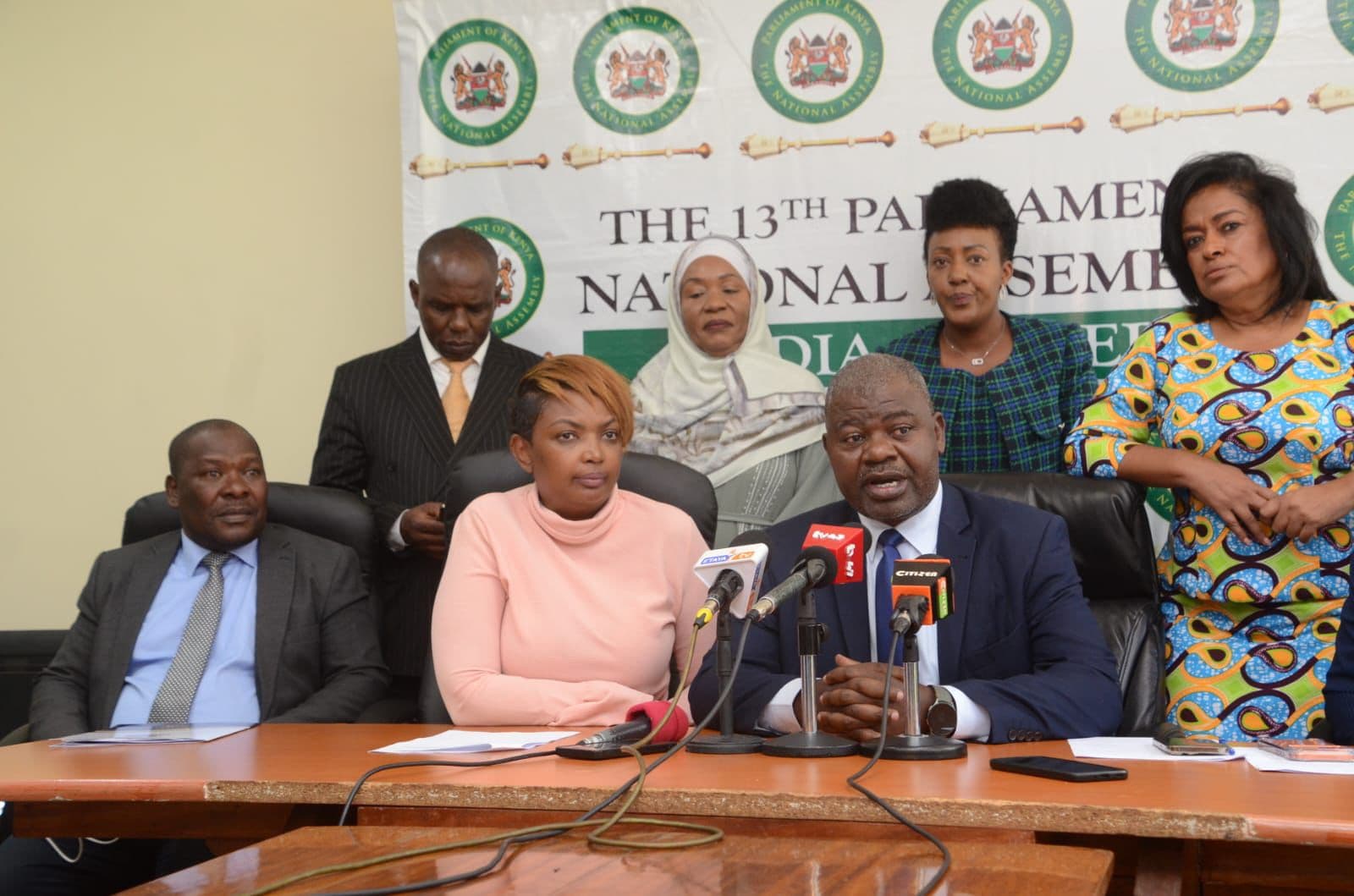
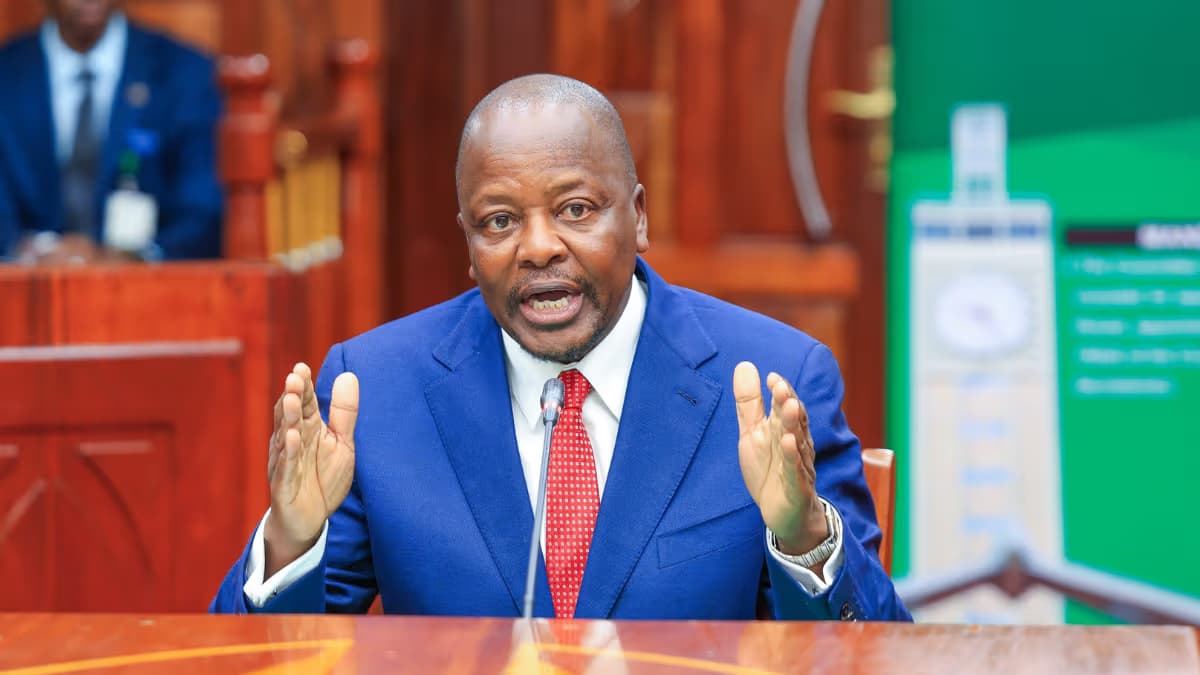
However, the day was not without its drama. National Assembly Speaker Moses Wetang'ula found himself at the center of a procedural storm when he was barred from voting. Despite his high office, Wetang'ula was turned away by Independent Electoral and Boundaries Commission (IEBC) officials for lacking a current Practising Certificate (PC). "State officers do not take PCs, so they cannot be on the voter roll unless they decide to take up PCs," explained presiding officer Owiso Owiso, highlighting the strict adherence to statutory compliance that defined the day.
As the ballot boxes fill up across the country, the legal fraternity is acutely aware of the challenges ahead. The incoming council will face a judiciary under pressure, a government eager to consolidate power, and a public that looks to the LSK for protection. The leaders chosen today will not just represent lawyers; they will be the custodians of Kenya’s constitutional order.
The results, expected later tonight, will reveal whether the bar has chosen a path of confrontation or conciliation. But one thing is certain: the LSK remains a vibrant, if occasionally chaotic, pillar of Kenyan democracy, and today’s turnout proves that its members are ready to fight for its soul.
Keep the conversation in one place—threads here stay linked to the story and in the forums.
Sign in to start a discussion
Start a conversation about this story and keep it linked here.
Other hot threads
E-sports and Gaming Community in Kenya
Active 9 months ago
The Role of Technology in Modern Agriculture (AgriTech)
Active 9 months ago
Popular Recreational Activities Across Counties
Active 9 months ago
Investing in Youth Sports Development Programs
Active 9 months ago
Key figures and persons of interest featured in this article