We're loading the full news article for you. This includes the article content, images, author information, and related articles.
Emirates and other Gulf carriers begin limited operations as governments scramble to evacuate stranded passengers amid airspace uncertainty.

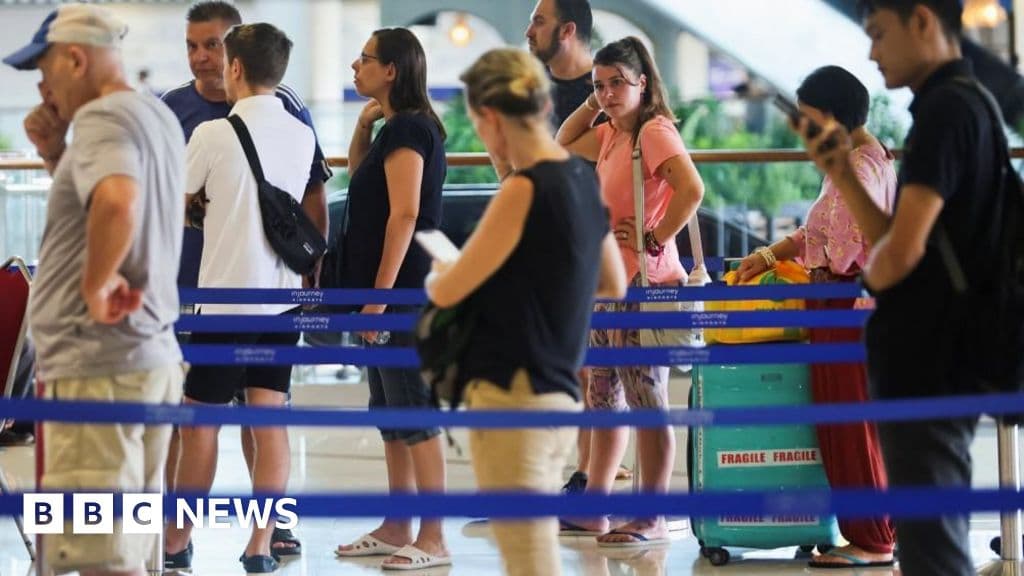
After widespread flight cancellations triggered by Iran’s missile and drone strikes, Gulf airlines are cautiously restoring limited operations to evacuate passengers and ease travel disruptions.
Emirates, Etihad, and FlyDubai have re‑opened some routes from Dubai and Abu Dhabi, though the majority of flights remain grounded. Airlines and governments are working amid chaotic conditions to repatriate citizens and maintain essential connectivity.
Etihad operated the first passenger flight—an A380 to London—from Abu Dhabi late Monday night, followed by departures to Europe, Asia, and Africa. Emirates resumed a limited number of A380 flights out of Dubai to Indian cities such as Mumbai and Chennai.
Despite resumed operations, confusion persists: flights listed as available on airline platforms were often met with airspace alerts or staff unable to confirm status. Repatriation and cargo services were permitted under stringent safety protocols, and alternative carriers like Lufthansa ferried near‑empty planes to reposition them.
Governments—including the Philippines, Indonesia, and Germany—are coordinating retrievals of stranded citizens. With a significant portion of the Gulf’s aviation network yet offline, economic impacts spread across tourism, trade, and expatriate remittances.
Kenya’s air travel links to the Gulf—crucial for diaspora travel, labour flows, and trade—will remain constrained. Limited flight availability could stall cargo shipments and delay return travel for Kenyan workers in the region.
Airline revenue declines and stranded travellers may trigger increased demand for alternative, possibly costlier, routes—squeezing airline margins and forcing government intervention or repatriation assistance.
Restoration of normal flight operations depends on regional de‑escalation. Clearance of airspace and restoration of confidence are vital.
Meanwhile, governments are urged to provide accurate, timely information to passengers and assist in arranging alternate corridors or charter services where needed.
“Safety remains paramount,” one aviation official noted. “Even with limited flights, every effort is directed at ensuring safe passage amid persistent uncertainty.”
Keep the conversation in one place—threads here stay linked to the story and in the forums.
Sign in to start a discussion
Start a conversation about this story and keep it linked here.
Other hot threads
E-sports and Gaming Community in Kenya
Active 9 months ago
The Role of Technology in Modern Agriculture (AgriTech)
Active 9 months ago
Popular Recreational Activities Across Counties
Active 9 months ago
Investing in Youth Sports Development Programs
Active 9 months ago