We're loading the full news article for you. This includes the article content, images, author information, and related articles.
The majority of flights to Qatar and United Arab Emirates have been cancelled for Monday, as strikes continue in the joint Israeli and US war on Iran. More than 4,000 flights a day have been cancelled across the region, according to flight tracking service Flightradar24 with hundreds of thousands of passengers affected
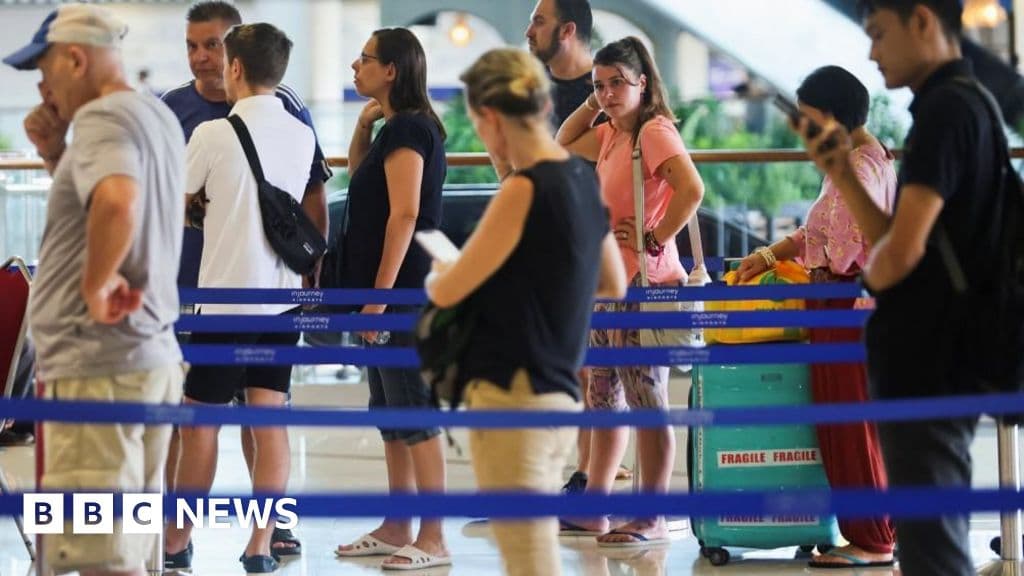
The majority of flights to Qatar and United Arab Emirates have been cancelled for Monday, as strikes continue in the joint Israeli and US war on Iran. More than 4,000 flights a day have been cancelled across the region.
Global aviation has been thrust into unparalleled chaos. As the U.S.-Israeli assault on Iran enters its third day, the skies over the Middle East—a vital bridge connecting Europe, Asia, and Africa—have been effectively shut down, stranding hundreds of thousands of travelers worldwide.
The financial and logistical hemorrhage is catastrophic. With key international hubs in Dubai, Abu Dhabi, and Doha ceasing operations, airlines are forced to enact mass cancellations, reroute global traffic, and hemorrhage millions of dollars in daily operating costs.
Flight tracking analytics reveal a dire reality: over 79% of flights to Qatar and 71% to the UAE have been grounded. Emirates, Qatar Airways, and Etihad, which collectively process over 90,000 transit passengers daily, have halted operations indefinitely due to airspace closures and the immediate threat of Iranian retaliatory ballistic missiles.
For Kenyan travelers and the broader East African diaspora, the disruption is acute. Dubai and Doha serve as the primary conduits for African labor migrating to the Gulf, as well as critical transit points for business and tourism to Asia. With routes severed, regional commerce faces severe delays.
The aviation industry, still sensitive to geopolitical shocks, is facing its greatest logistical test in years. Without immediate de-escalation, the financial toll on global carriers and the disruption to international supply chains will be immense.
"The disruption will only increase the longer the crisis continues, with enormous repercussions for the global economy," industry experts warn.
Keep the conversation in one place—threads here stay linked to the story and in the forums.
Sign in to start a discussion
Start a conversation about this story and keep it linked here.
Other hot threads
E-sports and Gaming Community in Kenya
Active 9 months ago
The Role of Technology in Modern Agriculture (AgriTech)
Active 9 months ago
Popular Recreational Activities Across Counties
Active 9 months ago
Investing in Youth Sports Development Programs
Active 9 months ago



