We're loading the full news article for you. This includes the article content, images, author information, and related articles.
Flower exports rot and passengers sleep on floors as a pay dispute turns East Africa's busiest hub into a ghost town.
Flower exports rot and passengers sleep on floors as a pay dispute turns East Africa's busiest hub into a ghost town.
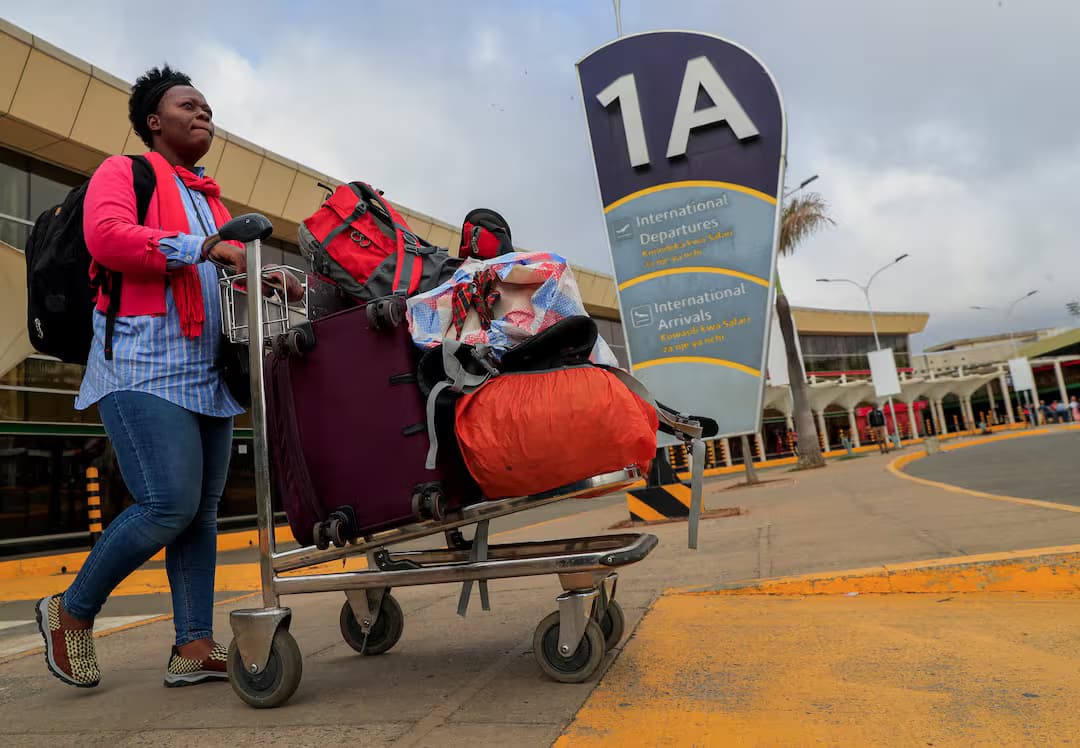
Jomo Kenyatta International Airport (JKIA), usually the pulsating heart of East African commerce, has fallen into a state of paralysis. A go-slow turned full-blown strike by the Kenya Aviation Workers Union (KAWU) has brought operations to a grinding halt, sending shockwaves through the national economy. The dispute, centered on delayed salary payments and controversial restructuring plans, has escalated into a standoff that is costing the country millions of shillings by the hour.
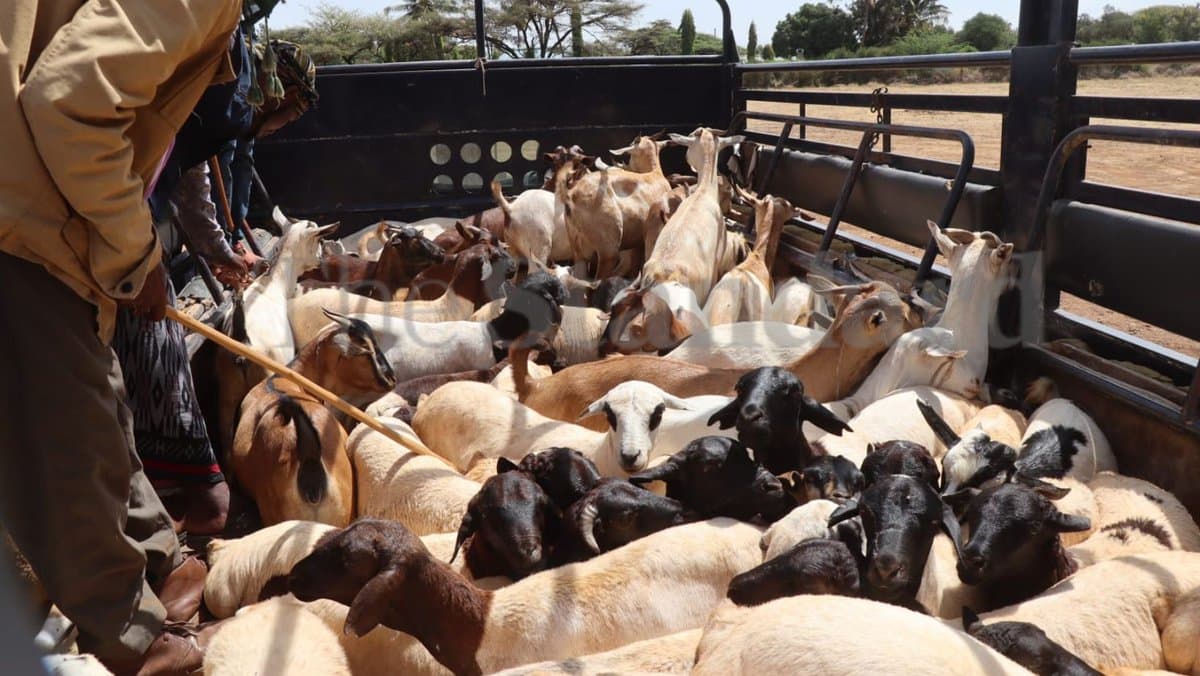
The scene at the terminals is one of despair. Stranded passengers, including tourists who have spent thousands of dollars on "dream safaris," are camping on the cold terrazzo floors, their flights cancelled indefinitely. But the true cost of this industrial action is invisible to the traveler's eye: it is unfolding in the cargo sheds where Kenya's "green gold"—its fresh produce exports—is beginning to rot. With flights grounded, tons of cut flowers and french beans destined for European supermarkets are stranded, their value evaporating with every passing minute.
Kenya's horticulture industry operates on a "just-in-time" supply chain. A delay of 24 hours can render a shipment of roses worthless. Exporters are reporting that cold storage facilities are already at capacity, and harvest orders are being cancelled at farms in Naivasha and Mt Kenya. The ripple effect is immediate: if the flowers don't fly, the farm workers don't get paid, and the foreign currency—vital for stabilizing the shilling—does not flow into the Central Bank.
The Kenya Civil Aviation Authority (KCAA) has issued statements promising a "structured clearing of backlogs," but the reality on the tarmac tells a different story. Air Traffic Control delays have forced international carriers to divert flights to neighboring hubs like Dar es Salaam and Addis Ababa, handing a competitive advantage to regional rivals who are all too eager to absorb Nairobi's traffic. The reputation damage is severe; reliability is the currency of logistics, and JKIA is currently bankrupt of it.
At the core of the strike is a deep-seated mistrust between the workers and the aviation authorities. The union cites a litany of grievances: chronic salary delays, poor working conditions, and a lack of transparency regarding the future management of the airport. The ghost of previous privatization proposals still haunts the workforce, fueling fears of job losses. The workers argue that they are the backbone of a profitable sector yet are treated as expendable liabilities.
The government's response has been criticized as sluggish. Calls for "dialogue" ring hollow to workers who have heard it all before. As the standoff enters its critical phase, the economy is bleeding. JKIA is not just an airport; it is the lungs of the Kenyan economy. Right now, the country is holding its breath.
Keep the conversation in one place—threads here stay linked to the story and in the forums.
Sign in to start a discussion
Start a conversation about this story and keep it linked here.
Other hot threads
E-sports and Gaming Community in Kenya
Active 9 months ago
The Role of Technology in Modern Agriculture (AgriTech)
Active 9 months ago
Popular Recreational Activities Across Counties
Active 9 months ago
Investing in Youth Sports Development Programs
Active 9 months ago
Key figures and persons of interest featured in this article