We're loading the full news article for you. This includes the article content, images, author information, and related articles.
As Britain's unemployment hits a five-year high, the looming interest rate cut threatens to shrink the value of the "Hustler's Pound".
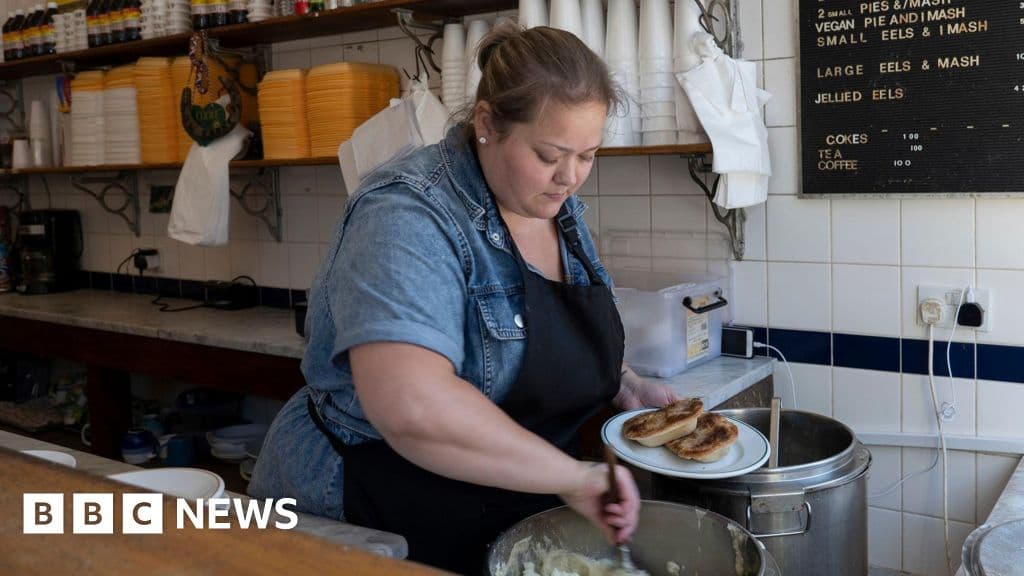
As Britain's unemployment hits a five-year high, the looming interest rate cut threatens to shrink the value of the "Hustler's Pound".
The economic barometer in London has dropped, and the chill is being felt in Nairobi. Official figures released today by the Office for National Statistics (ONS) paint a grim picture of the UK economy: unemployment has climbed to 5.2%, the highest level in five years, while wage growth has cooled significantly. For the British policymaker, this is a signal to cut interest rates. For the Kenyan family relying on remittances from the UK, it is a warning sign that the shilling value of their support may be about to shrink.
The City of London is now pricing in a 75% chance that the Bank of England will slash interest rates to 3.5% in March. In the ruthless logic of forex markets, lower interest rates typically lead to a weaker currency. As the Pound Sterling (GBP) softens against other major currencies, its purchasing power in Kenya (when converted to KES) effectively diminishes. The "Hustler's Pound"—the money sent home by nurses, students, and professionals in the diaspora—is facing a devaluation shock.
The UK is one of Kenya's largest sources of diaspora remittances, a critical lifeline that supports school fees, construction projects, and medical bills across the country. When the Pound is strong, a £100 transfer can feel like a windfall in Naira or Shillings. When it weakens, that same £100 buys fewer bags of cement and pays for fewer terms of school. The correlation is direct and painful. With UK wage growth slowing to 4.2%, the diaspora has less disposable income to send, and what they do send is worth less upon arrival.
This "double whammy" comes at a time when the cost of living in the UK is still high, squeezing the diaspora from both ends. The "consumer-facing industries"—hospitality and retail, where many Kenyans find initial employment—are the hardest hit by the hiring freeze. The dream of landing in Heathrow and walking into a job is fading, replaced by a competitive scramble for fewer vacancies.
Beyond individual wallets, a cooling UK economy poses risks for Kenyan trade. A recession-wary Britain buys fewer flowers, drinks less premium tea, and books fewer holidays to the Mara. The symbiotic relationship between the two economies means that when London sneezes, Nairobi catches a cold. The anticipated interest rate cut is intended to stimulate the British economy, but the lag time means the immediate future is one of contraction.
As the Bank of England prepares to meet in March, thousands of eyes in Kenya will be watching the ticker. The message from the markets is clear: the post-pandemic economic boom is over, and a season of austerity is beginning. For the Kenyan diaspora, the strategy must shift from "send what you can" to "save what you must."
Keep the conversation in one place—threads here stay linked to the story and in the forums.
Sign in to start a discussion
Start a conversation about this story and keep it linked here.
Other hot threads
E-sports and Gaming Community in Kenya
Active 9 months ago
The Role of Technology in Modern Agriculture (AgriTech)
Active 9 months ago
Popular Recreational Activities Across Counties
Active 9 months ago
Investing in Youth Sports Development Programs
Active 9 months ago