We're loading the full news article for you. This includes the article content, images, author information, and related articles.
Families are launching a desperate bid to take over the William Blake House care home after revelations of massive tax debts and questionable payments to trustees. A powerful story of parental resilience against institutional failure.
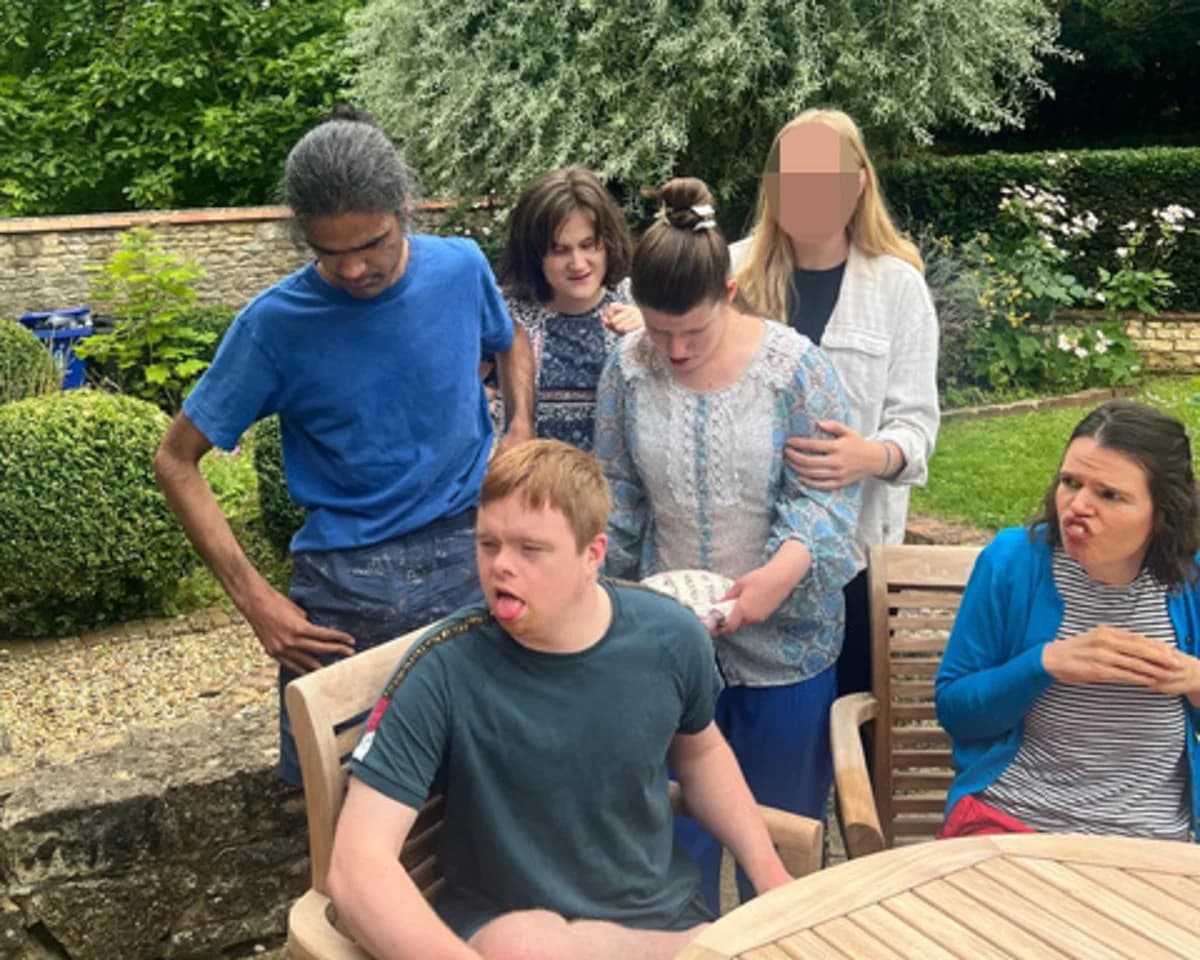
In a startling exposé of institutional mismanagement, families of disabled children are fighting to seize control of a UK care home facing ruin. It is a cautionary tale of governance failure that resonates with anyone entrusting loved ones to institutional care.
The William Blake House, a specialist home for children with severe learning disabilities, is facing a winding-up order over a staggering £1.6m (approx. KES 272m) tax debt. But the financial insolvency is merely the symptom of a deeper governance rot. [...](asc_slot://start-slot-5)Revelations that the charity paid £1m (approx. KES 170m) in fees to a company owned by its own chair have sparked outrage and triggered a regulatory investigation.
For the families involved, the betrayal is absolute. These are parents who placed their non-verbal, high-needs children in what they believed was a "secure home for life." Instead, they face the terrifying prospect of eviction and displacement due to boardroom maneuvering. The families have now launched an audacious bid to take over the charity themselves, asserting that "these people will be gone... our relatives won't."
The collapse follows a classic pattern of non-profit failure:
While this drama unfolds in Northamptonshire, the themes are painfully familiar to the Kenyan context, where the governance of children's homes and NGOs often faces scrutiny. The William Blake House scandal serves as a grim reminder that "charitable status" is not a guarantee of ethical conduct. It highlights the critical need for strong, independent boards and the power of beneficiary communities—in this case, the parents—to organize and demand accountability. The bold move by these families to form a not-for-profit and take over operations is a rare and inspiring example of grassroots agency in the face of corporate negligence.
Keep the conversation in one place—threads here stay linked to the story and in the forums.
Sign in to start a discussion
Start a conversation about this story and keep it linked here.
Other hot threads
E-sports and Gaming Community in Kenya
Active 9 months ago
The Role of Technology in Modern Agriculture (AgriTech)
Active 9 months ago
Popular Recreational Activities Across Counties
Active 9 months ago
Investing in Youth Sports Development Programs
Active 9 months ago