We're loading the full news article for you. This includes the article content, images, author information, and related articles.
Githunguri MP Gathoni Wamuchomba refutes claims of political opportunism, insisting her legislative independence prioritizes constituent needs over party loyalty.

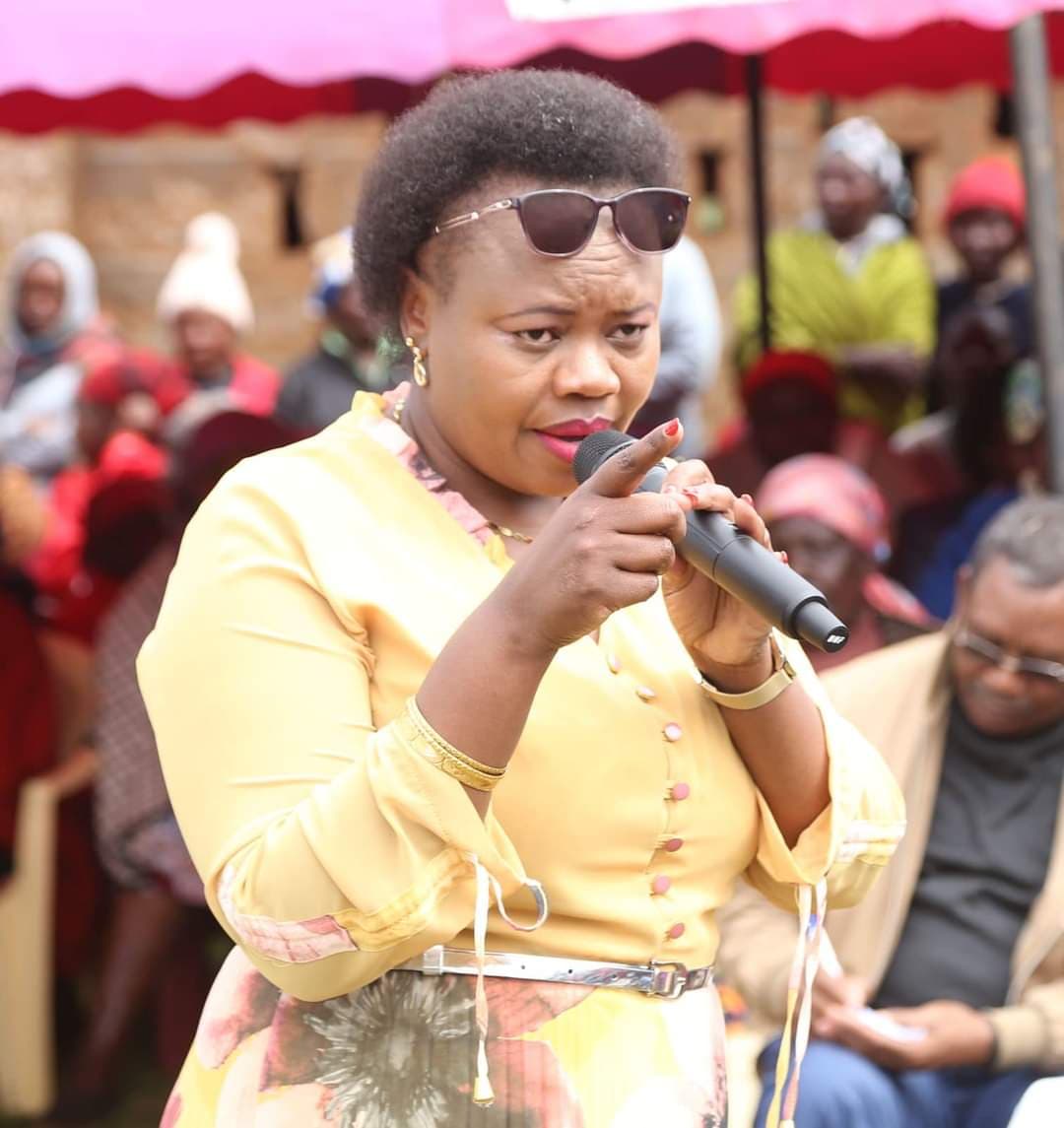
The halls of the National Assembly in Nairobi have long been a theater of shifting loyalties, but few figures inhabit the center of this storm quite like Githunguri Member of Parliament Gathoni Wamuchomba. Following recent public speculation regarding her political trajectory and perceived realignment with the ruling administration, the legislator has launched a vigorous defense of her autonomy, framing her choices not as shifts in allegiance, but as a steadfast commitment to the constituents of Githunguri. In a climate where party discipline is often enforced with iron-fisted rigidity, her insistence on navigating a path independent of monolithic party demands has placed her at the vanguard of a growing debate over the future of democratic representation in Kenya.
For the informed citizen, this is more than a personality clash within the United Democratic Alliance (UDA). It is a fundamental question of whether the Kenyan legislator acts as a rubber stamp for executive policy or as a deliberate, thoughtful representative of local interests. With general elections looming on the 2027 horizon, the pressure on MPs to fall in line has intensified, making Wamuchomba’s refusal to fully conform a high-stakes gamble. As she battles accusations of opportunism, her supporters point to her record of challenging controversial fiscal policies as evidence that her legislative heart remains in the right place, even when her political body language appears to fluctuate.
Wamuchomba’s tenure has been defined by a striking ability to occupy both the inner circle of power and the periphery of dissent. Elected on a UDA ticket in 2022, her trajectory has been anything but linear. She has moved from being a vocal campaigner for the current administration to one of its most persistent legislative thorns, particularly on matters regarding the cost of living and the implementation of controversial healthcare and housing levies. Her recent public assertions that she is returning to the fold to prioritize "development" have been met with skepticism by pundits who view her movements through the lens of survivalist politics.
The legislator, however, dismisses this cynical interpretation. In recent interviews, she has clarified that her engagement with leadership is strategic, designed to extract resources and policy concessions for her constituency rather than to seek personal advancement. She frames this as a necessary pragmatism—a realization that the binary of "government" versus "opposition" is a false one for a Member of Parliament whose primary mandate is to improve the lives of her voters. For the residents of Githunguri, this distinction is vital, as the constituency requires federal infrastructure projects that can only be unlocked through cooperation with the central government.
To understand the stakes of Wamuchomba’s political journey, one must look at her legislative participation. Unlike backbenchers who vote as a bloc, her record shows a history of choosing policy over party lines. This independence, while endearing her to constituents concerned with the rising cost of living, has frequently isolated her within her own parliamentary caucus.
The ground in Githunguri tells a story of mixed expectations. For a dairy farmer navigating the fluctuating costs of inputs and the struggle to access reliable markets, the parliamentary theatrics in Nairobi often feel distant. Yet, they remain aware that their representative’s access to the President or senior Cabinet Secretaries determines the pace of road upgrades and agricultural subsidies in the region. Recent data from political polling firms suggests that despite her fluid political stance, her approval ratings remain robust, hovering near 43.9 percent in recent surveys. This resilience suggests that the Githunguri electorate prizes the "fighting" nature of their MP more than the consistency of her party affiliation.
The broader Kenyan political landscape is currently undergoing a painful metamorphosis. The era of the "party-first" parliamentarian is being challenged by voters who are increasingly holding their representatives accountable for the promises made on the campaign trail. Analysts note that Wamuchomba’s experience reflects a systemic tension between the executive branch’s desire for a frictionless legislative assembly and the constitutional mandate of the legislature to provide oversight. The threat of being branded a "mole" or a "rebel" is the price of admission for any MP who dares to speak out of turn, yet the frequency of such dissent suggests that the rigid party system may be buckling under the weight of public pressure.
As the countdown to 2027 begins, the political maneuvering will only intensify. Whether Gathoni Wamuchomba continues to chart a course as a maverick or settles into a more traditional alignment, her career will likely be studied as a barometer for the health of Kenya’s multiparty democracy. The ultimate judgment will not be rendered by the party whips in Parliament, but by the voters who have watched her navigate the minefield of national politics, waiting to see if her defiance will ultimately deliver the tangible development she so frequently promises.
Keep the conversation in one place—threads here stay linked to the story and in the forums.
Sign in to start a discussion
Start a conversation about this story and keep it linked here.
Other hot threads
E-sports and Gaming Community in Kenya
Active 9 months ago
The Role of Technology in Modern Agriculture (AgriTech)
Active 9 months ago
Popular Recreational Activities Across Counties
Active 9 months ago
Investing in Youth Sports Development Programs
Active 9 months ago
Key figures and persons of interest featured in this article