We're loading the full news article for you. This includes the article content, images, author information, and related articles.
With Harambee Stars watching from home, the 2025 Africa Cup of Nations kicks off today. The continent's titans—from Salah to Osimhen—are ready to battle for glory and staggering financial stakes.

RABAT – The roar of the continent echoes from the Atlas Mountains today as the 35th Africa Cup of Nations (AFCON) kicks off in Morocco, pitting the continent's most formidable football talents against each other. For Kenyan fans, it's a bittersweet spectacle, as the Harambee Stars were eliminated during the qualifiers, turning the national focus to the individual brilliance set to illuminate the tournament.
This tournament is not just about national pride; it's a showcase of Africa's most valuable sporting assets. The mega-wattage stars descending on Morocco command salaries that reshape economies. Their success or failure over the next four weeks will be measured in national celebration and cold, hard cash, raising the perennial question for Kenyans: how can we translate this continental passion into local progress?
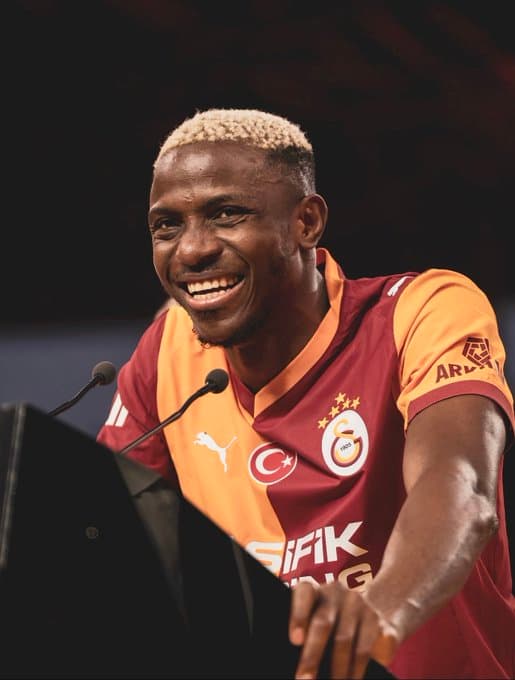
At the forefront of this glittering assembly is Nigeria's Victor Osimhen, whose recent permanent move to Turkish giants Galatasaray was valued at a staggering €75 million (approx. KES 10.6 billion). The 26-year-old striker now earns a reported annual salary of €21 million (approx. KES 3 billion), making him one of the highest-paid players in Turkish football history. His blend of explosive pace and clinical finishing makes the Super Eagles a formidable contender.
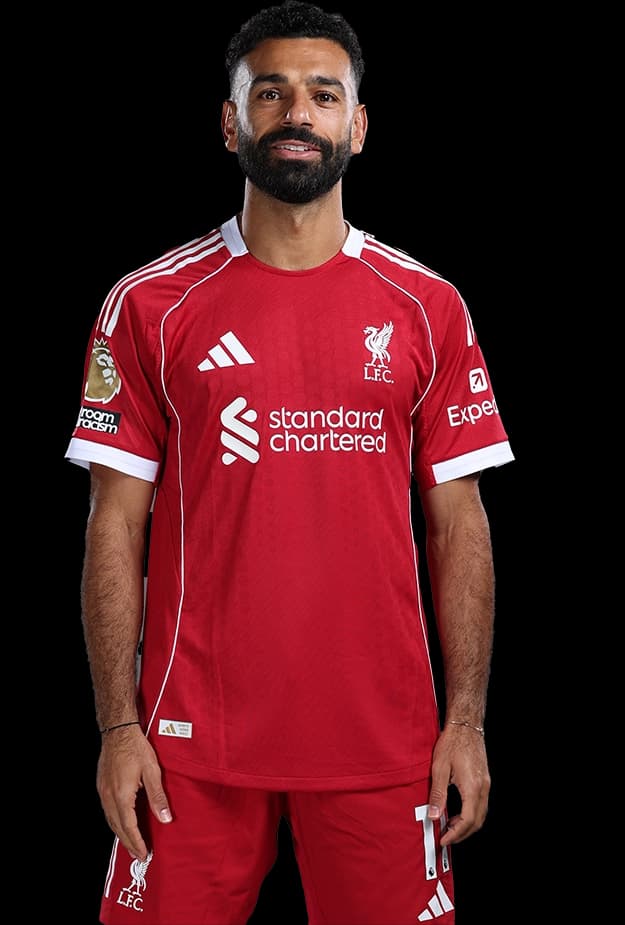
Egypt's hopes, as ever, rest on the shoulders of Mohamed Salah. Despite a season of mixed form at Liverpool, the 33-year-old remains the Pharaohs' talisman, chasing the one major trophy that has eluded him. His Liverpool contract nets him an annual salary of around £20.8 million (approx. KES 3.4 billion), a testament to his enduring global appeal.
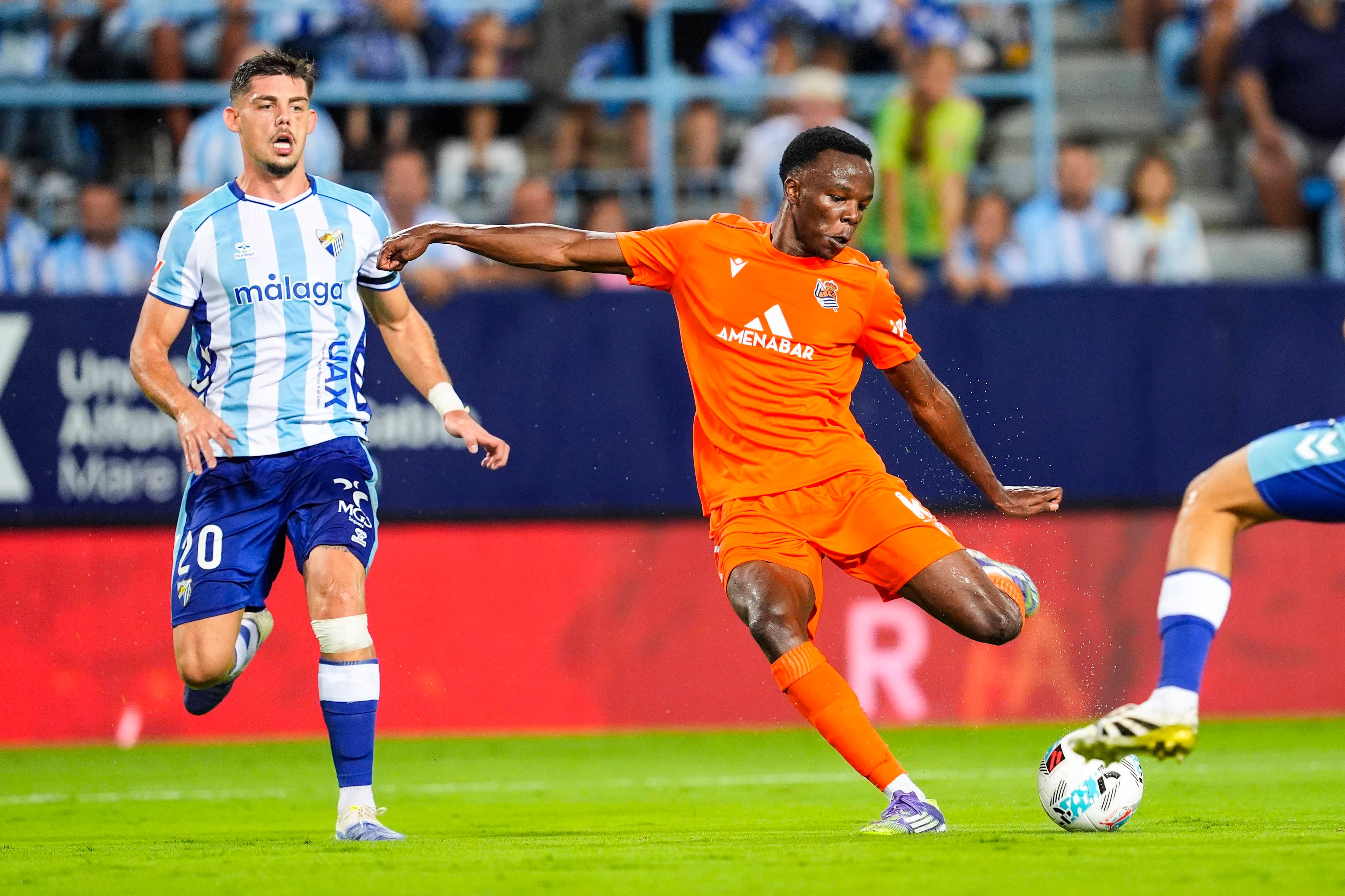
Other stars expected to shine include:
The absence of the Harambee Stars is a stark reminder of the work still ahead for Kenyan football. After failing to secure qualification from a group featuring Cameroon, Namibia, and Zimbabwe, the focus shifts to grassroots development and infrastructure. The reality that Kenya had to play some home qualifiers in other countries due to a lack of CAF-approved stadiums underscores the challenge.
While Kenyans will passionately support their favourite continental stars and adopted teams, the tournament serves as a painful benchmark. The financial muscle of players like Osimhen and Mané, products of robust West African football ecosystems, highlights the economic potential that remains largely untapped in East Africa.
As Morocco, the overwhelming favourite with an 18-match winning streak, prepares to open the tournament against Comoros, the question for Kenyan fans and administrators is not just who will win, but what must be done to ensure Kenya is a contender, not a spectator, in 2027. The talent exists, but the path to converting that potential into continental power and economic opportunity remains the ultimate goal.
Keep the conversation in one place—threads here stay linked to the story and in the forums.
Sign in to start a discussion
Start a conversation about this story and keep it linked here.
Other hot threads
E-sports and Gaming Community in Kenya
Active 9 months ago
The Role of Technology in Modern Agriculture (AgriTech)
Active 9 months ago
Popular Recreational Activities Across Counties
Active 9 months ago
Investing in Youth Sports Development Programs
Active 9 months ago
Key figures and persons of interest featured in this article