We're loading the full news article for you. This includes the article content, images, author information, and related articles.
Former Deputy President Gachagua explains his absence from Raila Odinga`s funeral, citing security fears and respect for family protocols.

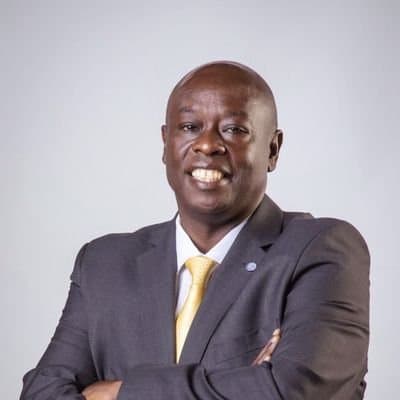
Breaking months of speculation regarding his conspicuous absence from the final rites of the late former Prime Minister Raila Odinga, former Deputy President Rigathi Gachagua has addressed the controversy directly. In a wide-ranging interview, Gachagua revealed that he had personally reached out to the family, specifically contacting Ida Odinga, to offer his condolences and coordinate a visit that has yet to materialize.
For a politician often embroiled in the volatile currents of national discourse, the decision to skip both the state funeral service at Nyayo National Stadium and the subsequent burial in Bondo was not, according to Gachagua, one of negligence or disrespect. Instead, he framed his absence as a calculated strategic move designed to prevent what he alleges were state-sponsored provocations intended to ignite ethnic friction between the Kikuyu and Luo communities.
Gachagua, who currently leads the Democracy for Citizens Party, contends that his intelligence reports at the time were clear: organized groups were planning to target him during the funeral events. He argued that the intent behind these alleged plots was not merely to harm him, but to leverage his presence as a catalyst for chaos. He asserted that any incident involving him at the solemn event would have been exploited to paint his attendance as a deliberate act of provocation against the late opposition leader’s base.
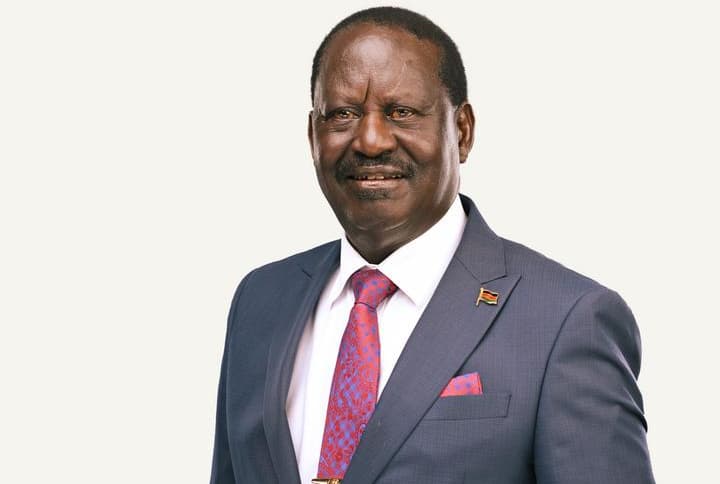
Political analysts note that the funeral of Raila Odinga—a titan of Kenyan politics who passed away in October 2025—was an exceptionally delicate event. With the nation already grappling with the loss of a pivotal figure who had recently entered a political pact with President William Ruto, the funeral served as a crucible for national cohesion. Gachagua’s absence, while criticized by some as a slight, is being reframed by his allies as an act of restraint.
Beyond the funeral events, questions have persisted about why Gachagua has not visited the Odinga home in Bondo in the five months following the burial. Addressing this, Gachagua maintained that his adherence to traditional protocols remains the primary barrier. He detailed his outreach to Ida Odinga, emphasizing that he sought to respect the family’s mourning process rather than force a political photo opportunity.
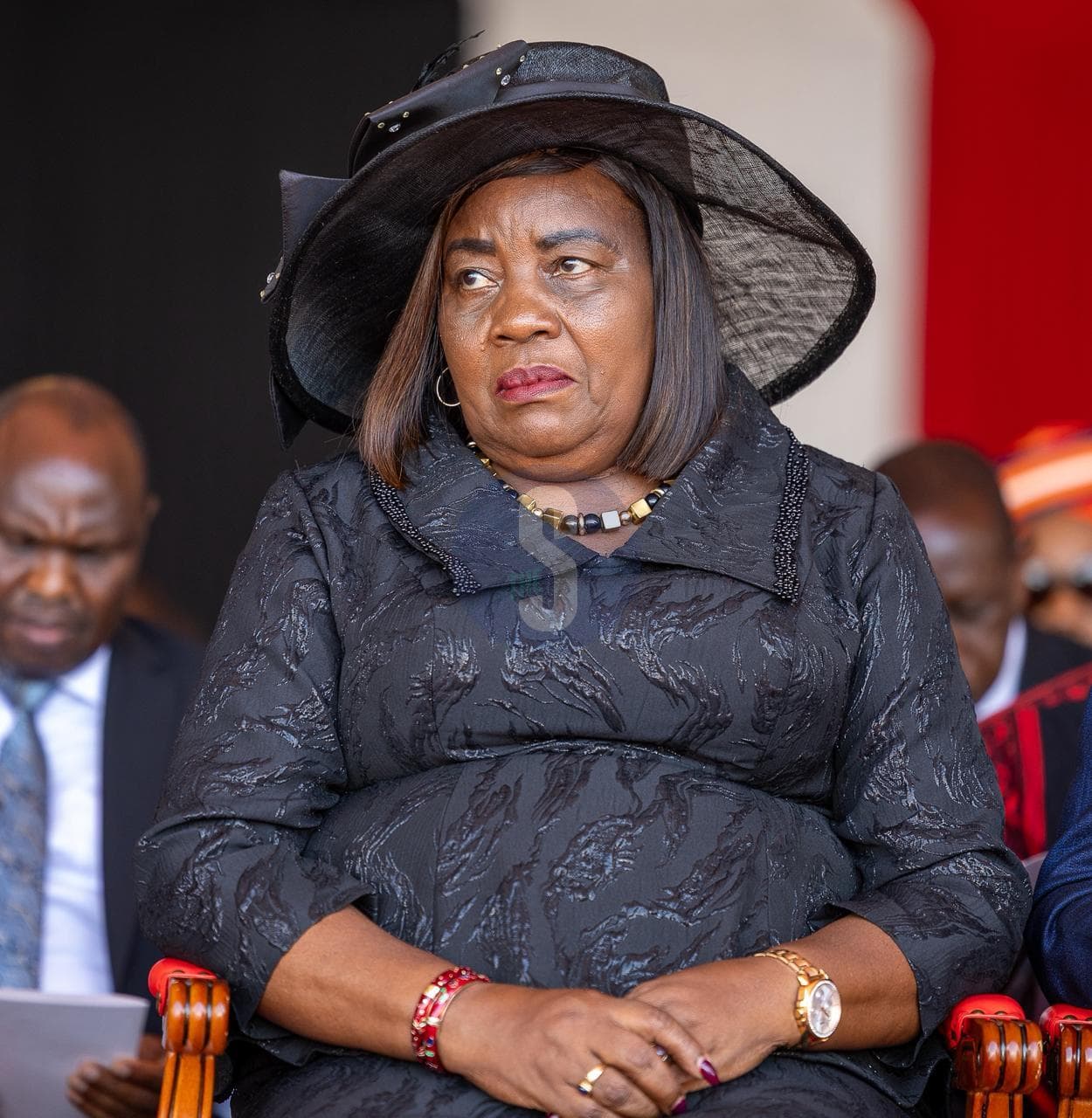
“I called Mama Ida Odinga and gave my personal condolences together with Pastor Dorcas,” Gachagua stated, noting that he had requested a visit to Bondo but was advised that the family was still in a period of heavy bereavement. He stressed that in African traditions, one does not impose oneself upon a grieving family. For Gachagua, the narrative that he is unwelcome in Nyanza is a misconstruction of the facts, which he counters by citing his past visits to the region alongside President Ruto, where he claims to have received a warm reception across Migori, Homa Bay, and Siaya.
The former Deputy President’s defense comes at a time when his political movement, the Democracy for Citizens Party, is seeking to establish relevance outside the shadow of the current administration. By publicly articulating his desire to bridge the gap with the Luo community and maintain diplomatic relations with the Odinga family, Gachagua is effectively attempting to soften his image among a demographic that historically leaned heavily toward Raila Odinga.
However, the skepticism remains. Critics argue that blaming "goons" and "intelligence reports" is a convenient shield for a leader who may have been unsure of his reception in a region deeply loyal to his former political rival. Yet, Gachagua remains defiant, positioning himself as a statesman who prioritizes national stability over personal political gain. He emphasized that he applied the mind of a strategist to the situation, concluding that his presence would have created a distraction in a ceremony that belonged solely to the family and the supporters of the late Odinga.
As the country moves further into 2026, the question of whether this outreach to the Odinga family will lead to a formal visit remains an open one. Gachagua asserts he is still waiting for the green light, effectively putting the ball in the court of the Odinga family. Whether this gesture translates into a lasting détente or remains a footnote in a long-standing political rivalry will depend on the family’s response and the shifting dynamics of the post-Odinga political era.
Ultimately, Gachagua’s explanation serves as a reminder of the intricate, often fraught, intersection of personal grief and public politics in Kenya. As the nation continues to navigate the vacuum left by one of its most consequential leaders, the actions—and carefully explained absences—of figures like Gachagua continue to shape the evolving narrative of national unity and regional cooperation.
Keep the conversation in one place—threads here stay linked to the story and in the forums.
Sign in to start a discussion
Start a conversation about this story and keep it linked here.
Other hot threads
E-sports and Gaming Community in Kenya
Active 10 months ago
The Role of Technology in Modern Agriculture (AgriTech)
Active 10 months ago
Popular Recreational Activities Across Counties
Active 10 months ago
Investing in Youth Sports Development Programs
Active 10 months ago
Key figures and persons of interest featured in this article