We're loading the full news article for you. This includes the article content, images, author information, and related articles.
Once a delicacy reserved for Islamic royalty, this pillowy flatbread has conquered the globe—and become a staple of Kenya’s vibrant culinary scene.
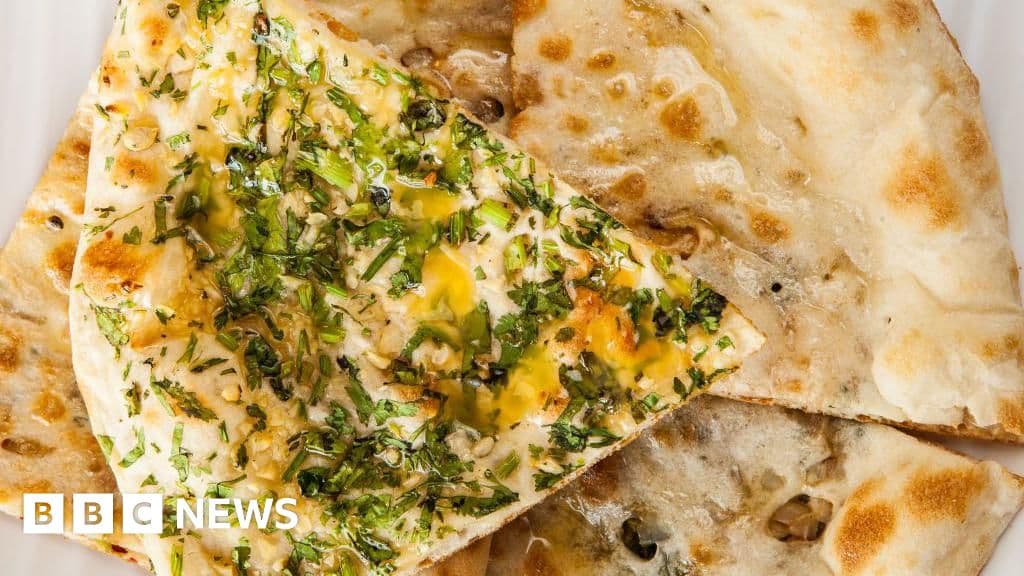
It arrives at the table steaming and pillowy, the perfect vessel for scooping up rich stews, yet few realize this humble flatbread was once the exclusive preserve of kings. While the tangy, aromatic gravies of South Asian cuisine often steal the spotlight, they would be rendered incomplete without their understated partner: the naan.
Recently crowned the world’s best bread by the global food guide Taste Atlas, the naan’s journey from ancient Persian courts to the bustling tandoors of Nairobi is a testament to centuries of culinary migration that shaped our own local palate. Its rise to global dominance is not just a story of flour and water, but of trade, conquest, and cultural fusion.
The origins of the naan are shrouded in the mists of time, though most food historians trace its lineage back to ancient Persia. The name itself is derived from the Persian word for bread, nān. Early iterations were likely baked on hot pebbles, a far cry from the fluffy versions we know today.
The bread traveled to the Indian subcontinent with the Sultans and Mughals who ruled between the 13th and 16th Centuries. These Muslim rulers brought with them Central Asian culinary traditions, most notably the tandoor—the cylindrical clay oven that gives the naan its signature char and chewiness.
Historically, because white flour (maida) was expensive and the technique required a specialized oven, naan was a luxury item served primarily in royal courts. It was the food of the elite, distinct from the unleavened roti consumed by the masses.
For the Kenyan diner, the naan is more than just an imported trend; it is a staple woven into our gastronomic fabric. The arrival of the naan in East Africa closely mirrors the construction of the Kenya-Uganda Railway, which brought an influx of indentured laborers and merchants from the subcontinent.
These communities established the culinary foundations that allow a resident in Westlands or Mombasa today to enjoy a butter naan that rivals any found in Delhi or Lahore. The bread has evolved here, often served alongside:
The versatility of the naan is the engine behind its global popularity. It diligently props up whatever it is paired with, allowing the main dish to shine while adding its own textural complexity. This adaptability was recognized when Taste Atlas specifically highlighted the Butter Garlic Naan as a top-tier bread.
This flavour-packed rendition involves brushing the piping hot bread with butter and a generous sprinkling of chopped garlic. Another contender, the aloo naan—stuffed with spiced potatoes—showcases the bread's ability to serve as a meal in itself.
Whether enjoyed in a high-end Nairobi eatery or a roadside establishment, the naan remains a delicious edible artifact of history. It serves as a reminder that the best food often transcends borders, evolving from a royal indulgence into a beloved comfort food for the world.
Keep the conversation in one place—threads here stay linked to the story and in the forums.
Sign in to start a discussion
Start a conversation about this story and keep it linked here.
Other hot threads
E-sports and Gaming Community in Kenya
Active 9 months ago
The Role of Technology in Modern Agriculture (AgriTech)
Active 9 months ago
Popular Recreational Activities Across Counties
Active 9 months ago
Investing in Youth Sports Development Programs
Active 9 months ago