We're loading the full news article for you. This includes the article content, images, author information, and related articles.
After 24 hours of paralysis that left thousands of passengers stranded, operations at Jomo Kenyatta International Airport (JKIA) are finally returning to normal as the aviation workers' strike is called off.
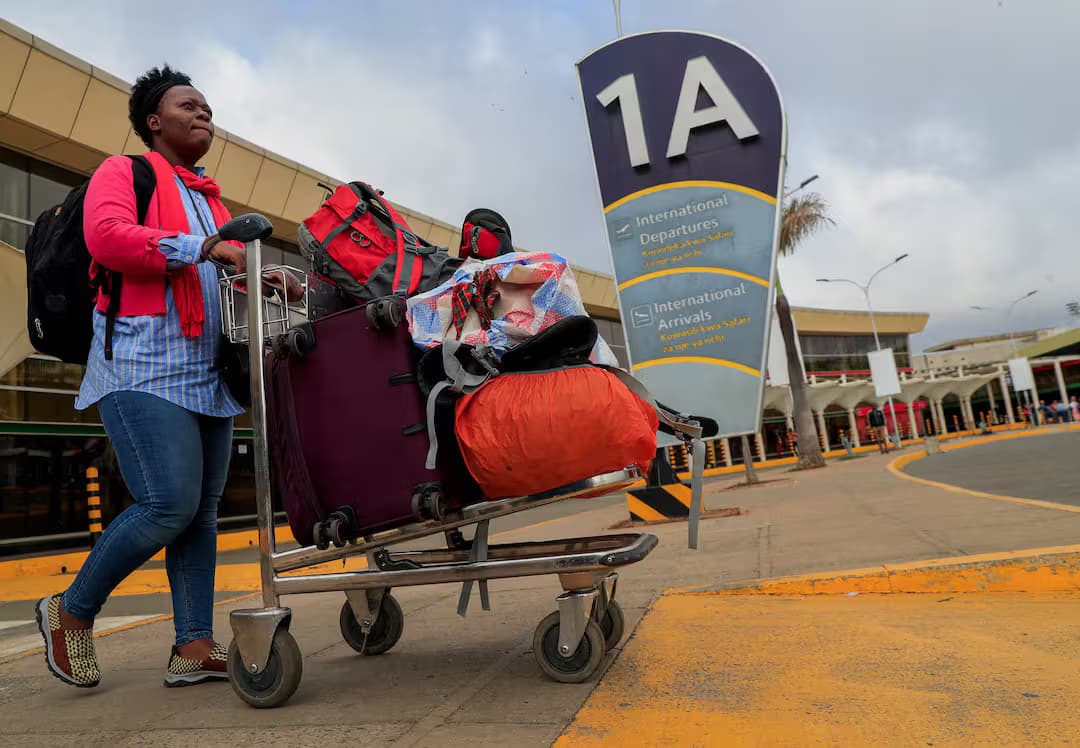
After 24 hours of paralysis that left thousands of passengers stranded and cargo rotting on the tarmac, operations at Jomo Kenyatta International Airport (JKIA) are finally returning to normal as the aviation workers' strike is called off.
The scene at JKIA on Monday was one of despair. Frustrated passengers camped on the curbside, flight information screens flashed endless "DELAYED" warnings, and the hum of East Africa's busiest hub fell eerily silent. The strike, orchestrated by the Kenya Aviation Workers Union (KAWU), had effectively grounded the region's economy. But by Tuesday afternoon, the deadlock had broken. The Kenya Civil Aviation Authority (KCAA) announced that "recovery efforts are actively underway," bringing a collective sigh of relief to the tourism and export sectors.
The industrial action was triggered by a collapse in talks over a Collective Bargaining Agreement (CBA) that has been in limbo for years. KAWU members, ranging from ground staff to air traffic controllers, downed tools to demand better pay and the harmonization of contracts. The strike's impact was immediate and severe, forcing Kenya Airways to issue "Do Not Come to the Airport" advisories—a PR nightmare for a national carrier already navigating turbulent financial skies.
While the strike has ended, the hangover remains. "Passenger backlogs are being cleared in a structured and prioritized manner," the KCAA stated. Travelers are still advised to confirm their flight status before heading to the airport. The cost of this disruption, however, will be tallied in the millions. Fresh produce exporters, who rely on daily cargo flights to Europe, faced significant losses as flowers and vegetables were left unable to fly.
This strike serves as a potent reminder of the fragility of Kenya's logistics backbone. With JKIA facing stiff competition from Addis Ababa and Kigali, labor instability is a luxury the country cannot afford. KAWU Secretary General Moss Ndiema has proven he can shut down the country's gateway; the government must now prove it can listen before the next crisis hits.
"We are just happy to be moving," said one passenger, queuing for a rescheduled flight to Dubai. "But this should never happen again."
Keep the conversation in one place—threads here stay linked to the story and in the forums.
Sign in to start a discussion
Start a conversation about this story and keep it linked here.
Other hot threads
E-sports and Gaming Community in Kenya
Active 9 months ago
The Role of Technology in Modern Agriculture (AgriTech)
Active 9 months ago
Popular Recreational Activities Across Counties
Active 9 months ago
Investing in Youth Sports Development Programs
Active 9 months ago
Key figures and persons of interest featured in this article