We're loading the full news article for you. This includes the article content, images, author information, and related articles.
A former close protection officer, Levi Wanderi, has claimed he resigned from the ex-Deputy President's detail due to an unwillingness to heed security advice, creating a high-risk environment.
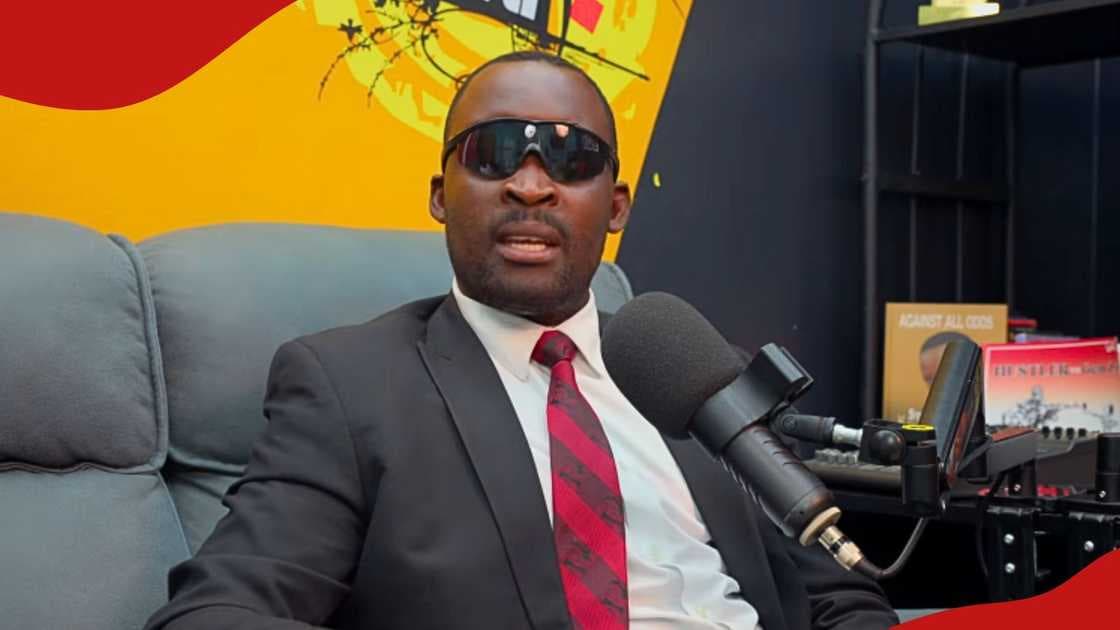
A former bodyguard assigned to ex-Deputy President Rigathi Gachagua has broken his silence, alleging he quit the high-profile detail because his professional security advice was consistently ignored. Levi Wanderi, a close protection officer, claimed the former deputy president’s insistence on “wanting things his way” created dangerous vulnerabilities for the entire security team.
These revelations lift the lid on the immense pressures within VIP protection teams and raise critical questions about the conduct of public officials. For Kenyans, who fund this security through their taxes, it brings into sharp focus the character of leaders and the unseen risks that their decisions can generate.
In a candid interview on a local podcast on Sunday, December 21, 2025, Wanderi asserted that his four-month tenure with Gachagua was fraught with professional challenges. “It was hard advising Gachagua; he would always want things to go his way,” Wanderi stated. He explained that when a principal disregards security protocols, the bodyguards are left shouldering the blame for any potential lapse or harm that might occur. This, he noted, was a primary reason for his departure just months before Gachagua’s Democracy for Citizens (DCP) continental tour.
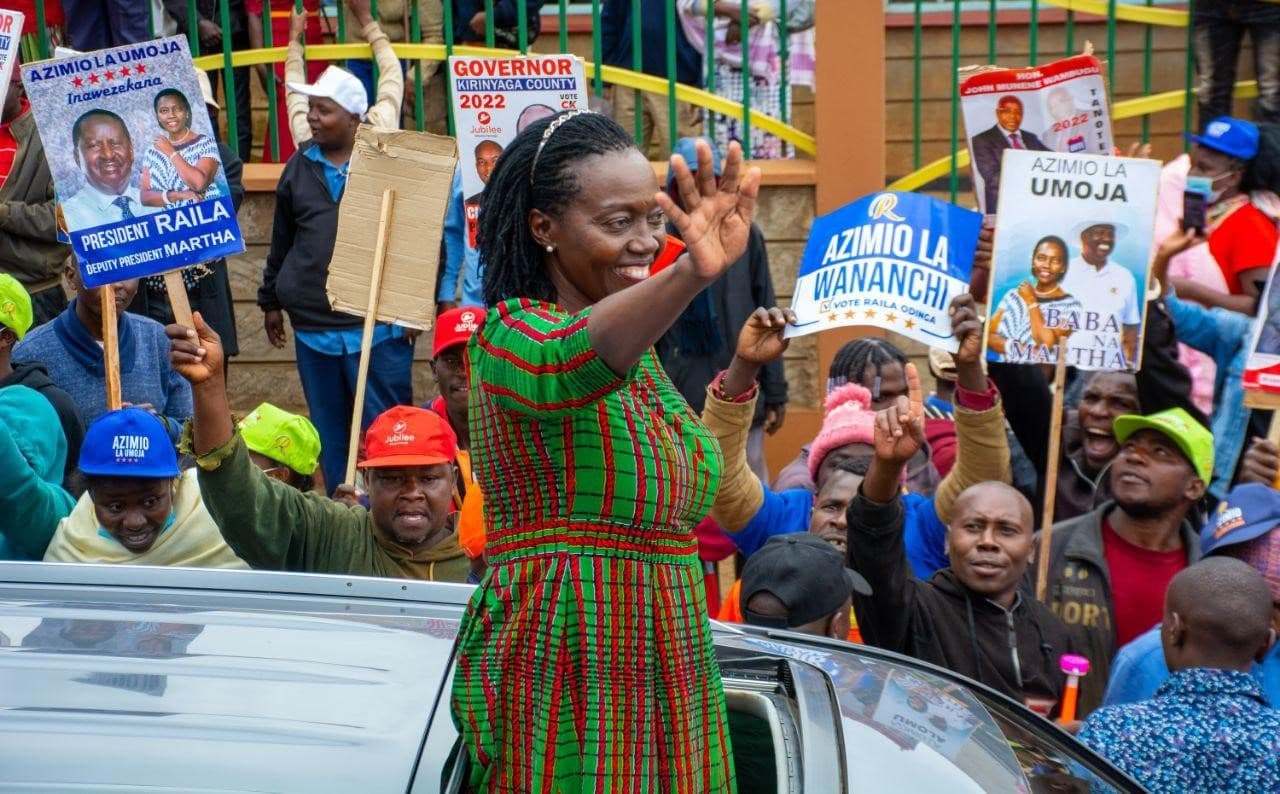
Wanderi contrasted his experience with Gachagua to his time protecting Martha Karua, whom he described as “very flexible” and easier to work with. Efforts by Streamline News to reach the former Deputy President or his official spokesperson for a response to Wanderi's specific allegations were unsuccessful by the time of publication.
The security of top officials like the former Deputy President is a costly affair borne by the Kenyan taxpayer. The National Police Service, which includes the General Service Unit (GSU) often tasked with VIP protection, has a budget of KES 125.7 billion for the 2025/2026 fiscal year. Such a significant allocation underscores the public's investment in the safety of its leaders, making claims of recklessness a matter of national concern.
Wanderi also touched on sensitive issues of tribalism, suggesting Gachagua preferred to be surrounded by individuals from his own ethnic background, a practice he claimed was common among the country's VIPs. “Someone says, 'This guy doesn't speak my mother tongue; I can't trust him,'” Wanderi remarked, highlighting a deep-seated issue that affects trust and professionalism within security details.
These claims surface at a politically sensitive time for Gachagua. Since his historic impeachment in October 2024, his state-provided security has been withdrawn, forcing him to rely on volunteers, some of whom are reportedly former KDF and police officers. He has also been actively popularizing his DCP party, including a recent tour of the United States to open a satellite office and engage with the diaspora.
While Wanderi’s allegations are personal, they echo broader public critiques of Gachagua's leadership style, which has often been described as combative and uncompromising. During his tenure, his office faced scrutiny from the Auditor-General for alleged ethnic bias in staffing, with a report finding that 46% of his 542 employees belonged to a single ethnic community, contrary to the National Cohesion and Integration Act.
Following his impeachment, hundreds of his staff were sent on compulsory leave or fired, marking a turbulent transition. Wanderi's account, therefore, adds a new, personal dimension to the public portrait of a controversial political figure navigating a challenging period.
As details of Wanderi’s experience continue to circulate, the conversation will inevitably turn to the need for a standardized, professional framework for VIP protection in Kenya—one that is not subject to the whims of the individual being protected. For now, the bodyguard's story serves as a stark reminder of the risks taken by those who protect the powerful, and the potential costs when their advice is ignored.
Keep the conversation in one place—threads here stay linked to the story and in the forums.
Sign in to start a discussion
Start a conversation about this story and keep it linked here.
Other hot threads
E-sports and Gaming Community in Kenya
Active 9 months ago
The Role of Technology in Modern Agriculture (AgriTech)
Active 9 months ago
Popular Recreational Activities Across Counties
Active 9 months ago
Investing in Youth Sports Development Programs
Active 9 months ago
Key figures and persons of interest featured in this article