We're loading the full news article for you. This includes the article content, images, author information, and related articles.
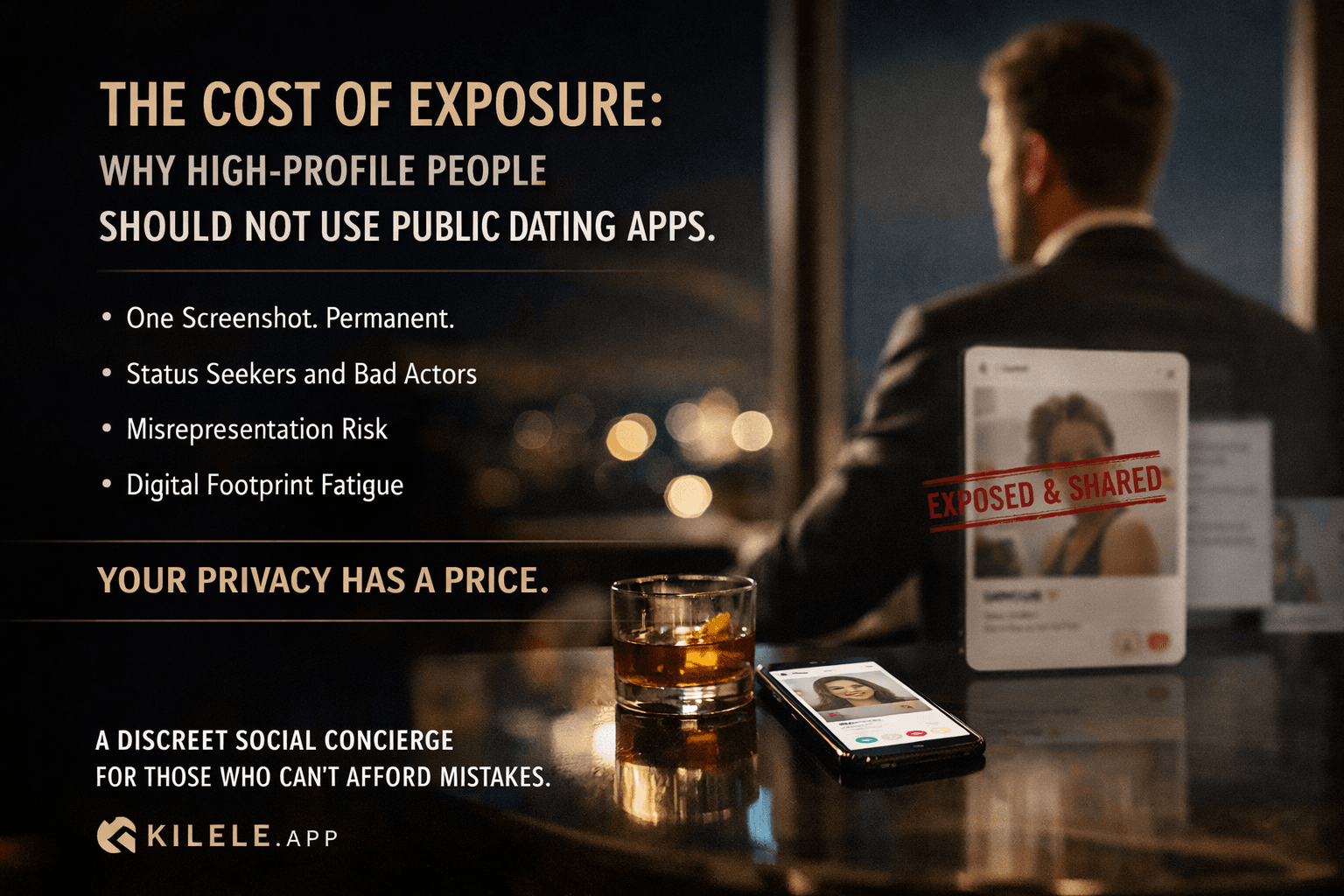
For diplomats and senior mission staff, social life is never purely social. A dinner can be a signal. An invitation can be a message. A photo can become a headline.
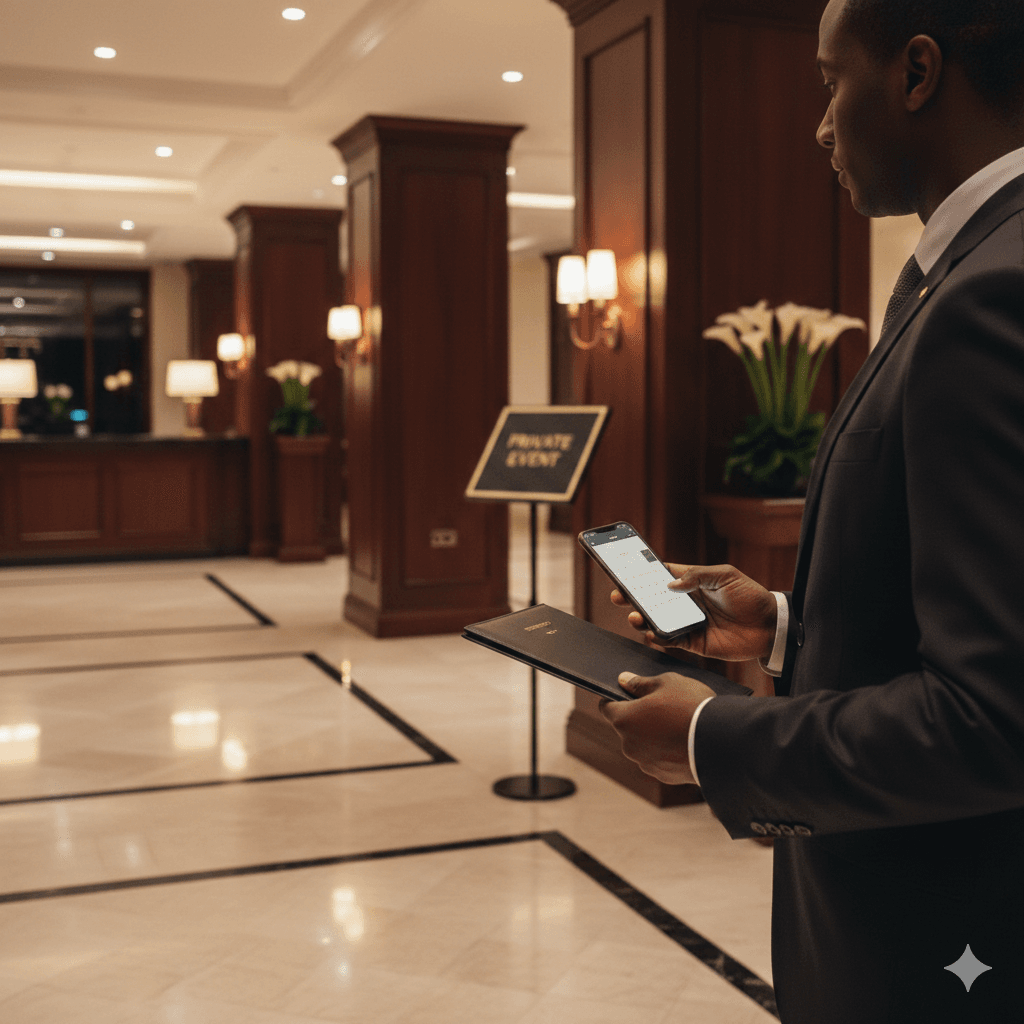
For diplomats and senior mission staff, social life is never purely social. A dinner can be a signal. An invitation can be a message. A photo can become a headline. And a “simple introduction” can carry protocol implications that outlive the moment.
That is why diplomatic circles tend to value the same things, everywhere: discretion, structure, and context. The difference today is that coordination is increasingly digital—yet protocol still demands a human standard: introductions must be vetted, timing must be deliberate, and privacy must be protected as a matter of professional duty.
This is the case for protocol-safe introductions and calendar coordination—a way to manage high-trust engagements without accidental exposure, avoidable misunderstandings, or reputation risk.
In diplomatic environments, introductions are rarely random. Titles matter. Seating matters. Who meets first matters. And context matters most of all—because people infer meaning from access.
A protocol-safe introduction typically answers three questions before it happens:
Why this person, why now?
What is the setting and expectation—formal, semi-formal, or social?
What information is appropriate to share—and what is not?
When those questions are skipped, small errors become big ones.
Diplomatic and high-visibility calendars carry unique exposure points:
Photos, tagging, screenshots, and “innocent” posts can reveal location, presence, or association.
A casual appearance at the wrong venue can be misread as endorsement, alignment, or bias.
Diplomats are targets: for impersonation, manipulation, and access-brokering.
Late changes, parallel obligations, and security constraints make unstructured plans a liability.
Protocol-safe coordination is not about secrecy. It is about accuracy.
A disciplined introduction is intentionally briefed—without over-sharing.
Names, titles, and affiliations should be correct and confirmed. If introductions are facilitated through a private network, verification is not optional—it is foundational.
The introduction should be framed: “cultural,” “networking,” “professional,” “community,” or “personal.” A one-line purpose prevents misinterpretation.
Certain topics, affiliations, locations, and public associations can be sensitive depending on timing and context. Protocol-safe coordination respects this without interrogation.
No posting by default. No recording. No sharing of private calendars. No public confirmation of attendance without explicit consent.
Diplomatic schedules require a different style of coordination: structured, documented, and low-noise.
Time windows, not vague plans
A clear arrival window and a defined end-time protect both flow and security.
Venue classification
Public, private, or professionally staffed. Venue type determines risk, entry protocols, and discretion expectations.
Independent logistics by default
Arrivals/departures remain independent unless formally arranged. This reduces security complexity and narrative risk.
Minimal disclosure
Share only what is needed: the who, the where, the when, and the dress code. Not private notes, not personal addresses, not sensitive itinerary details.
Protocol-safe conduct is often simple, but strict:
Be punctual; avoid unnecessary early arrivals
Use correct titles; when unsure, ask quietly
Keep conversation respectful and non-probing
Avoid discussing internal mission matters in social settings
Do not name-drop other attendees or confirm who was present
Treat discretion as standard—especially around photos and phones
Template A: Formal introduction
“Requesting a brief introduction in a formal setting. Please confirm titles/roles and provide a one-line context for the meeting. Discretion required.”
Template B: Cultural event attendance
“Attending a cultural engagement. Arrival window: __. End time: __. Dress code: __. No posting/recording. Public/professional venue only.”
Template C: Private dinner coordination
“Coordination for a private dinner. Confirm guest list boundaries, venue staff presence, and privacy expectations. Independent arrivals/departures.”
Protocol-safe introductions are not about exclusivity for its own sake. They are about preserving dignity, preventing misinterpretation, and protecting institutional credibility.
When introductions are vetted, calendars are coordinated with precision, and discretion is enforced, high-trust environments remain stable—quietly, consistently, and safely.
Membership is a privilege—maintained through conduct.
Keep the conversation in one place—threads here stay linked to the story and in the forums.
Sign in to start a discussion
Start a conversation about this story and keep it linked here.
Other hot threads
E-sports and Gaming Community in Kenya
Active 9 months ago
The Role of Technology in Modern Agriculture (AgriTech)
Active 9 months ago
Popular Recreational Activities Across Counties
Active 9 months ago
Investing in Youth Sports Development Programs
Active 9 months ago