We're loading the full news article for you. This includes the article content, images, author information, and related articles.
Agriculture Cabinet Secretary Mutahi Kagwe has unveiled a bold, if controversial, strategy to tackle youth unemployment: exporting Kenya’s "demographic dividend" to the ageing fields of Europe and the United Kingdom.
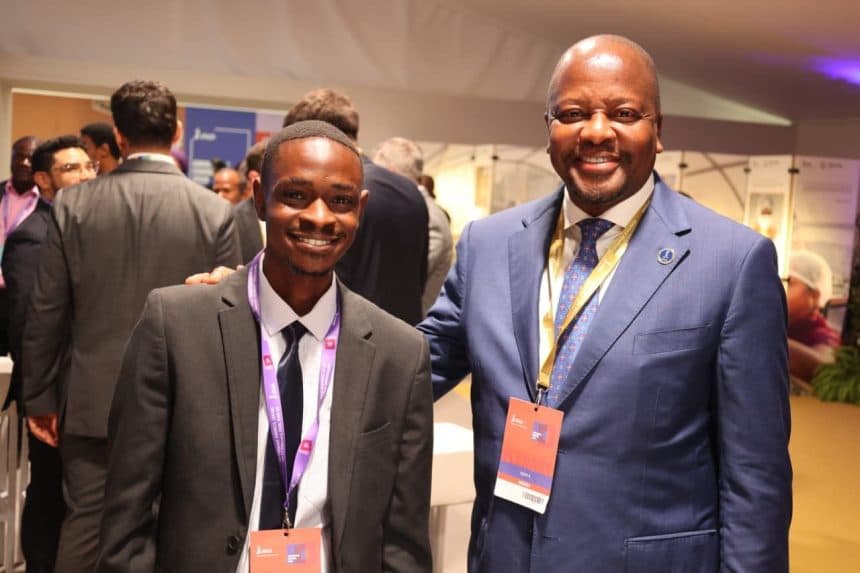
Agriculture Cabinet Secretary Mutahi Kagwe has unveiled a bold, if controversial, strategy to tackle youth unemployment: exporting Kenya’s "demographic dividend" to the ageing fields of Europe and the United Kingdom.
Speaking from the plush halls of the International Fund for Agricultural Development (IFAD) in Rome, Italy, Kagwe framed Kenya’s youth bulge not as a ticking time bomb, but as a premium export product. His proposal involves structured six-month internships where young Kenyans would work in the agricultural sectors of developed nations that are facing a demographic collapse. "Youth is not a problem to manage; youth is an opportunity to unlock," Kagwe told the global delegates.
The logic is simple economics Europe is getting old; its farms are emptying, and its workforce is shrinking. Kenya is young; its graduates are jobless, and its energy is untapped. Kagwe wants to marry these two realities. The plan envisions Kenyans gaining high-tech skills in mechanization and climate-smart agriculture abroad, then returning home—or staying on as expatriate labor—to send back crucial diaspora remittances.
This marks a significant pivot in the government's employment strategy, moving from "Kazi Mtaani" (local jobs) to "Kazi Majuu" (overseas jobs). The CS explicitly mentioned the United Kingdom as a target partner. With the UK struggling with post-Brexit labor shortages in its farming sector, the proposal could be mutually beneficial. However, it also raises questions about brain drain and the conditions of such labor agreements.
Critics might view this as a government admitting it cannot create enough jobs at home. Is this a strategic partnership, or is Kenya becoming a labor reserve for the Global North? Kagwe insists it is the former. “When young people earn from agriculture, we reduce hunger, restore dignity, and strengthen national stability,” he argued.
The success of this initiative will depend on the fine print. Will these be dignified, well-paying roles, or low-wage farm labor? For the thousands of unemployed agricultural graduates in Kenya, however, the nuances matter less than the opportunity. In a country where the hustle is hard, a plane ticket to Rome or London sounds less like exile and more like salvation.
Keep the conversation in one place—threads here stay linked to the story and in the forums.
Sign in to start a discussion
Start a conversation about this story and keep it linked here.
Other hot threads
E-sports and Gaming Community in Kenya
Active 9 months ago
The Role of Technology in Modern Agriculture (AgriTech)
Active 9 months ago
Popular Recreational Activities Across Counties
Active 9 months ago
Investing in Youth Sports Development Programs
Active 9 months ago
Key figures and persons of interest featured in this article