We're loading the full news article for you. This includes the article content, images, author information, and related articles.
EU lawmakers have attached stringent conditions to the US-EU trade pact, aiming to curb unilateral American tariffs and protect European industrial interests.

The European Parliament has decisively intervened in the delicate mechanics of transatlantic commerce, voting to impose strict conditions on a landmark trade agreement originally struck at Donald Trump’s Turnberry golf course in Scotland. By an overwhelming margin of 417 to 154, lawmakers in Strasbourg have signaled that while they seek a stable trading relationship with the United States, they are no longer willing to accept the terms of the Turnberry deal without robust, legally binding protections.
This development marks a pivotal shift in the ongoing negotiation saga, highlighting the deepening friction between Brussels and Washington. The vote, spearheaded by the European Parliament’s international trade committee, is not merely a bureaucratic adjustment it is a defensive maneuver intended to shield European industries from the unpredictability of the current US administration. For European citizens and their trading partners—including emerging economies in East Africa—the outcome of these negotiations will determine the stability of global supply chains for the remainder of the decade.
The agreement in question, reached last August between European Commission President Ursula von der Leyen and President Donald Trump, was hailed at the time as a necessary détente in the escalating trade war. The deal outlined a framework to scrap tariffs on a variety of American goods entering the EU, balanced against a 15% rate on European imports and a contentious 50% levy on European steel and aluminum. However, the European Parliament, which holds the constitutional authority to approve or reject the formal lowering of tariffs, has effectively blocked the implementation of the deal twice in recent months.
Bernd Lange, the head of the European Parliament’s international trade committee, has been vocal about the legislative body's dissatisfaction. During the session, Lange characterized the Turnberry arrangement as an informal understanding rather than a comprehensive trade agreement, noting that it lacked the fundamental dispute settlement mechanisms required for international law. The parliamentary demand is clear: no further tariff concessions will be granted by the EU unless the US administration provides guaranteed exemptions for critical European commodities.
The core of the European discontent lies in the expansionist nature of the US tariff policy. European industry leaders have expressed profound anxiety over the 407 product categories subjected to the 50% tariff, fearing that this list acts as a creeping protectionist mechanism designed to stifle European competitiveness. By demanding that hundreds of European goods manufactured with steel and aluminum be exempted from these punitive duties, the European Parliament is attempting to draw a line in the sand.
Sophie Wilmès, a vice-chair of the European Parliament’s US delegation, described the current climate as one of systemic unpredictability. She argued that since the US administration has demonstrated neither the capacity nor the political will to guarantee stable trade environments, it has fallen upon the European Union to implement its own protective apparatus. This stance has garnered support even from those skeptical of the deal, as the alternative—unchecked exposure to unilateral American trade measures—is viewed as an existential threat to the European single market.
While the legislative battle plays out in the halls of Strasbourg and Washington, the ramifications of this trade discord are felt far beyond the Atlantic. For an economy like Kenya, which is heavily integrated into global trade corridors, the volatility of the EU-US relationship presents significant risks. The European Union remains a primary destination for Kenyan horticultural exports, including fresh flowers, fruits, and vegetables, as well as tea and coffee.
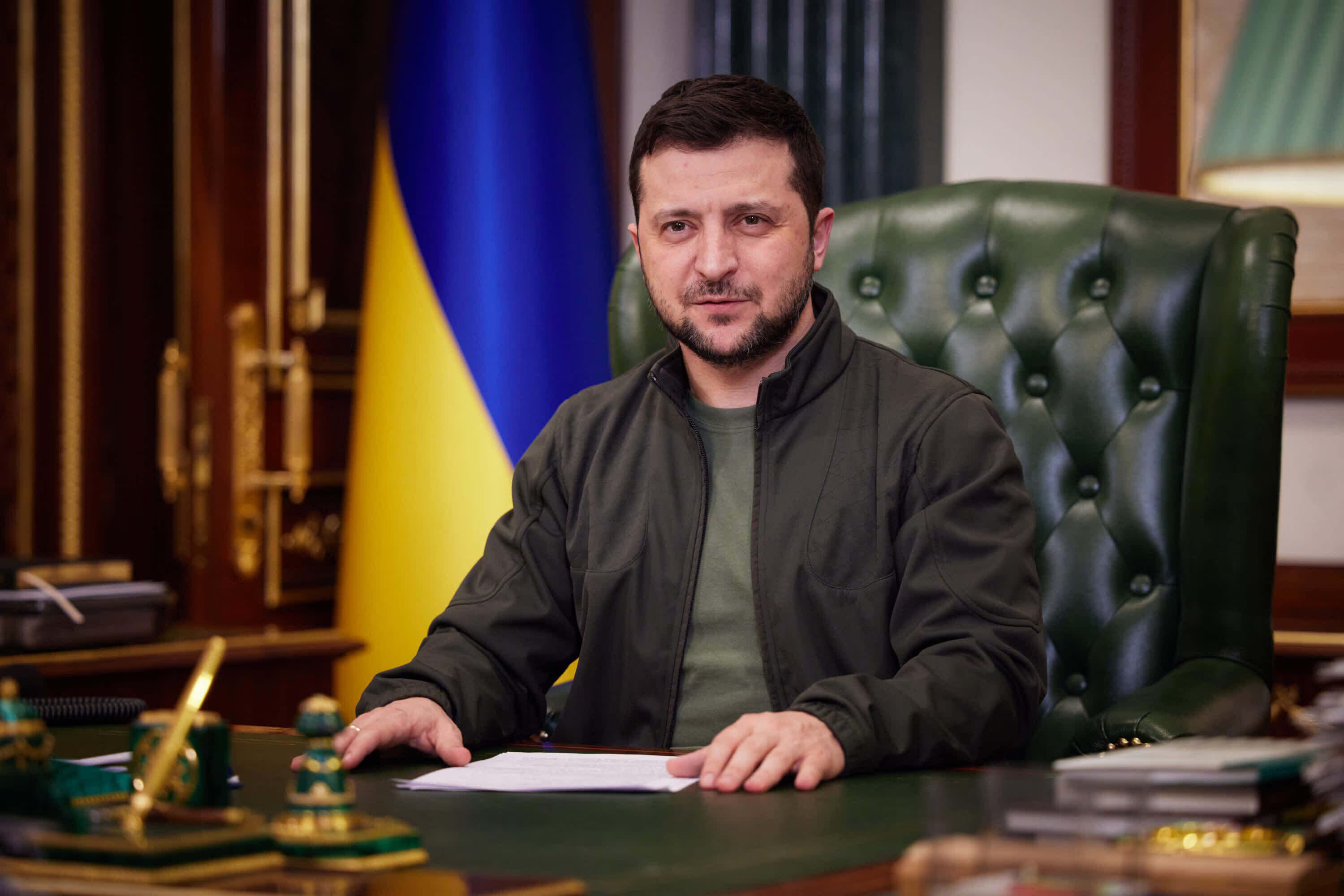
If the transatlantic trade friction leads to a contraction in Eurozone economic activity or a general rise in global trade barriers, the inflationary pressure could be substantial. Global commodities markets, already strained by ongoing geopolitical tensions in the Middle East and the lingering effects of energy crises, remain sensitive to major power trade disputes. The recent warnings by President Volodymyr Zelenskyy regarding the exploitation of oil and gas markets by Russia highlight the fragility of the global energy grid. As the cost of logistics rises due to currency instability and energy premiums, Kenyan importers of machinery and raw materials could face steeper costs, further complicating the domestic effort to manage foreign exchange reserves, currently measured in the billions of shillings.
Despite the parliamentary vote, the path to a ratified agreement remains obstructed. Andrew Pudzer, the US Ambassador to the EU, has maintained a hardline stance, suggesting that the EU must accept the deal in its current form or risk losing what the administration terms favorable access to American liquified natural gas (LNG) exports. This transactional diplomacy—linking energy security to trade tariffs—places immense pressure on EU member states to reconcile their industrial interests with their strategic energy needs.
Whether the European Council will heed the Parliament’s demand for safeguards or bow to the pressure of the Trump administration’s threats remains the central question of this diplomatic standoff. As European policymakers navigate this tension, they are effectively fighting for the preservation of a rules-based order. The coming weeks will likely see a flurry of high-level consultations as Brussels attempts to secure an agreement that balances the necessity of American trade with the urgent requirement for European industrial sovereignty. In the balance, as always, is the stability of a global market that can ill afford the cost of isolationism.
Keep the conversation in one place—threads here stay linked to the story and in the forums.
Sign in to start a discussion
Start a conversation about this story and keep it linked here.
Other hot threads
E-sports and Gaming Community in Kenya
Active 10 months ago
The Role of Technology in Modern Agriculture (AgriTech)
Active 10 months ago
Popular Recreational Activities Across Counties
Active 10 months ago
Investing in Youth Sports Development Programs
Active 10 months ago
Key figures and persons of interest featured in this article