We're loading the full news article for you. This includes the article content, images, author information, and related articles.
A powerful coalition of African editors has sounded the alarm over the rapid and systematic erosion of press freedom and the weaponization of law against journalists across the continent.
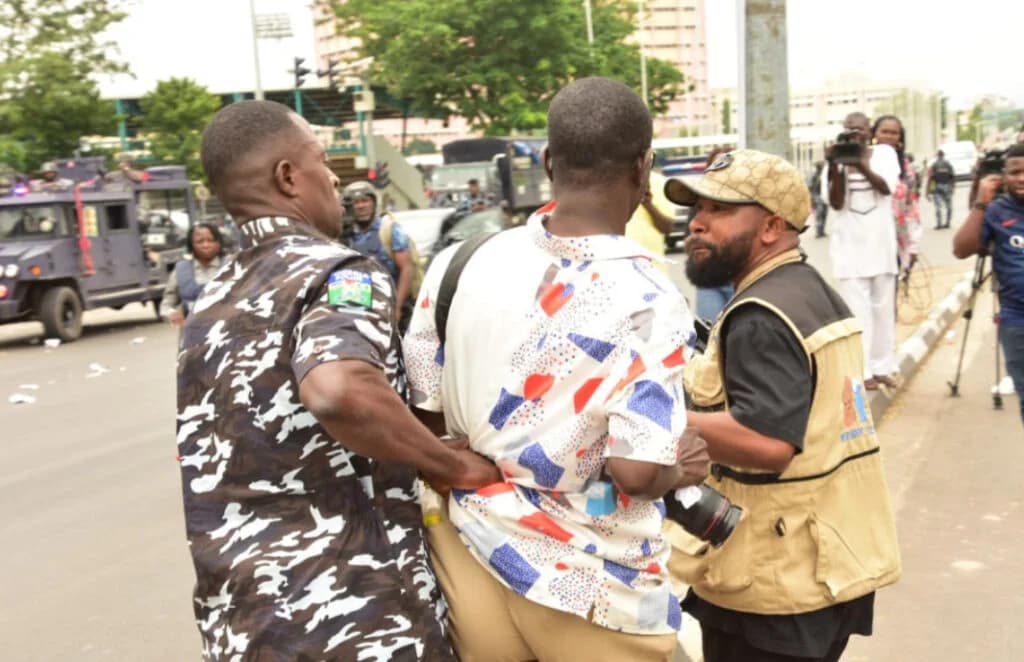
Gathering in Nairobi, the continent's top media gatekeepers issued a fierce condemnation of the escalating state-sponsored crackdowns on independent journalism.
From the imprisonment of reporters in Tunisia to the revocation of media licenses in Ethiopia, the landscape for truth-seekers in Africa is becoming increasingly perilous. This united front highlights a democratic crisis, as authoritarian regimes deploy sophisticated legal and physical intimidation tactics to silence dissent and control the public narrative.
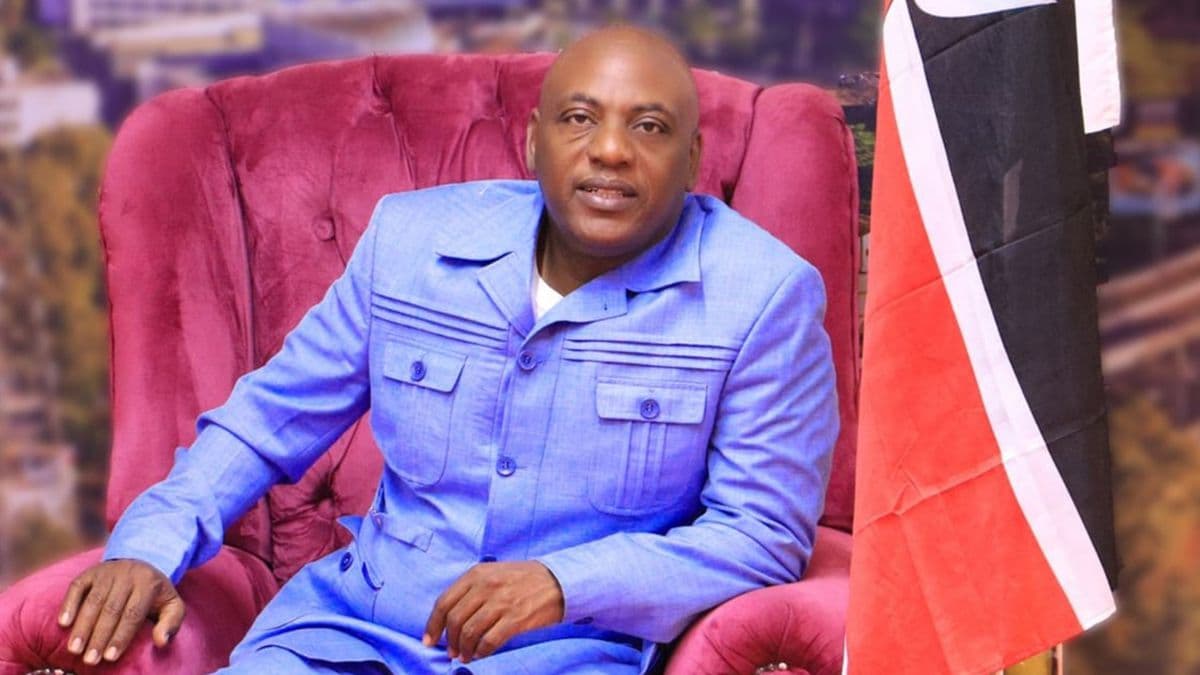
The African Editors Forum (TAEF), led by President Churchill Otieno, utilized the Nairobi press conference to expose the chilling trend of "lawfare." Governments are no longer relying solely on brute force; instead, they are manipulating judicial systems to cripple media houses. Obscure cyber-security laws, vaguely defined anti-terrorism statutes, and punitive licensing regulations are being utilized to criminalize legitimate journalistic inquiry.
Otieno specifically demanded the immediate release of prisoners of conscience, highlighting the plight of Tunisian journalists Borhan Bsaïess and Mourad Zghidi. He urged states to adopt exclusive legal frameworks for press freedom, preventing the arbitrary prosecution of opinion and publication under draconian penal codes. The message was unequivocal: journalism is not a crime, and the courts must not be used as executioners of the truth.
The spotlight fell heavily on Ethiopia, a nation hurtling towards high-stakes elections amid a drastic deterioration of civil liberties. Muthoki Mumo, the Africa Program Coordinator at the Committee to Protect Journalists (CPJ), painted a grim picture of the Horn of Africa powerhouse. She detailed a "systematic and aggressive campaign to get rid of independent voices."
The crisis is not confined to East Africa. Across the continent, journalists navigate a minefield of digital surveillance, arbitrary detention, and coordinated smear campaigns. The closure of local outlets like Wazema further illustrates the systematic dismantling of the fourth estate.
The shrinking space for media freedom has catastrophic implications for African democracy. Without a robust and independent press, transparency evaporates, corruption flourishes, and human rights abuses go unchecked. The editors emphasized that a subjugated media is the ultimate precursor to tyranny.
The gathering in Nairobi was not merely a lamentation but a call to arms for civil society and international observers to defend the remaining bastions of independent journalism.
"When you force people to vote without the information they need, you are not holding an election; you are staging a farce," Mumo concluded, serving a chilling warning to the entire continent.
Keep the conversation in one place—threads here stay linked to the story and in the forums.
Sign in to start a discussion
Start a conversation about this story and keep it linked here.
Other hot threads
E-sports and Gaming Community in Kenya
Active 9 months ago
The Role of Technology in Modern Agriculture (AgriTech)
Active 9 months ago
Popular Recreational Activities Across Counties
Active 9 months ago
Investing in Youth Sports Development Programs
Active 9 months ago