We're loading the full news article for you. This includes the article content, images, author information, and related articles.
A wave of authoritarianism, armed conflict, and economic distress is sweeping across East Africa, posing significant security and economic risks for Kenya as it navigates its role as a regional anchor.
Across East Africa, the state of democratic freedom and stability has shown a marked decline in 2025, characterized by a surge in authoritarian practices, violent state repression, and the erosion of civil liberties. According to a January 16, 2025 report by Human Rights Watch, governments throughout the region have intensified harassment of activists, suppressed dissent, and cracked down on political opponents. [3] This trend is particularly evident in countries approaching elections. In Tanzania, ahead of its October 2025 general election, the ruling Chama Cha Mapinduzi (CCM) has systematically repressed the opposition, with opposition leader Tundu Lissu facing treason charges since April 2025. [4, 18, 31] His party, Chadema, was banned from the election after refusing to sign an ethics pledge. [31, 33] Similarly, Uganda is exhibiting a familiar pattern of suppressing opposition voices ahead of its 2026 polls. [14, 15] Even in Kenya, Human Rights Watch noted in its World Report 2025 that the human rights trajectory deteriorated, with authorities using heavy-handed tactics against protests over the high cost of living and President William Ruto publicly threatening the judiciary. [3, 26]
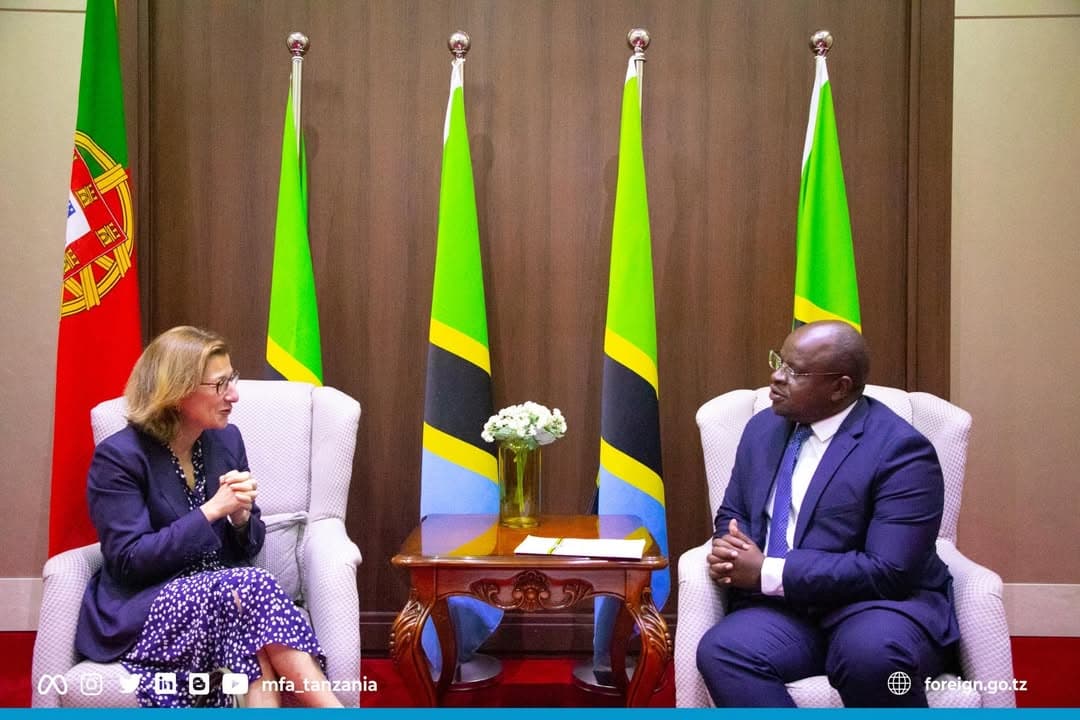
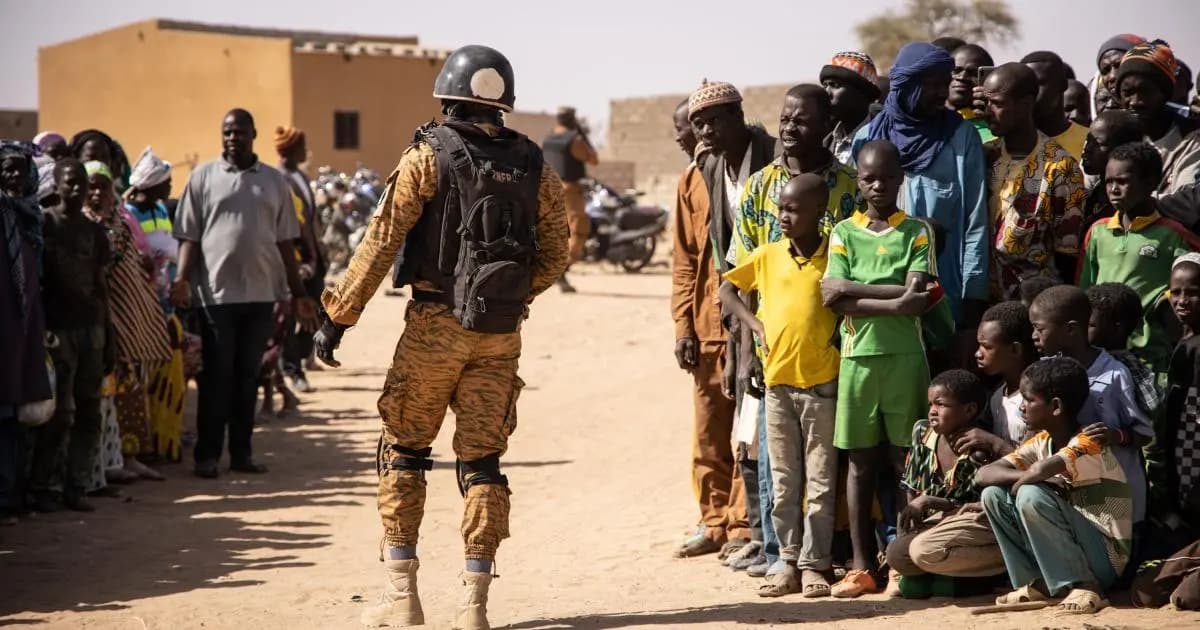
The region is further destabilized by devastating armed conflicts, primarily in Sudan and the Democratic Republic of Congo (DRC), which have created the world's largest humanitarian and displacement crises. [16, 28] The war in Sudan, which began in April 2023, has displaced over 12 million people and led to atrocities against civilians, according to Human Rights Watch. [3] The conflict's spillover has strained neighboring countries, with South Sudan, Kenya, Uganda, and Ethiopia receiving a significant influx of refugees. [16, 19] As of March 2025, the East and Horn of Africa and the Great Lakes region hosted 5.7 million refugees and 19 million internally displaced persons. [19] Kenya alone hosts over 843,000 refugees and asylum-seekers. [19] These conflicts not only cause immense human suffering but also disrupt regional trade and undermine stability, directly impacting Kenya, which plays a crucial role in regional peacekeeping and mediation efforts. [5, 8, 13]
This political and security turmoil is compounded by severe economic challenges. While East Africa is projected to be the continent's fastest-growing region in 2025, this growth is threatened by a combination of global and domestic pressures. [7, 11] A Moody's Global Macro Outlook report from August 29, 2025, noted that instability in global trade and monetary policy adjustments will weigh on investment and job creation in the region. [6] Countries are grappling with high public debt, currency depreciation, and persistent inflation. [9, 11] Ethiopia and Burundi, for instance, are battling inflation above 23% and 20% respectively. [11] In Kenya, public debt rose to 11.3 trillion shillings in 2024, and a July 2025 report from Deloitte projected continued currency depreciation through 2029, dampening economic growth. [9] These economic strains fuel social unrest, as seen in the 2024 anti-tax protests in Kenya, creating a volatile feedback loop between economic hardship and political instability. [4, 26]
As a regional economic and diplomatic hub, Kenya is inextricably linked to the fortunes of its neighbors. [2, 17, 24] The democratic backsliding and escalating conflicts threaten regional integration initiatives championed by the East African Community (EAC), where Kenya is a key player. [2, 23] The influx of refugees places a heavy burden on Kenya's resources, while instability disrupts crucial trade routes and export markets. [16, 24] In response, Nairobi has adopted a strategy of regional defense diplomacy, engaging in peacekeeping missions in Somalia and the DRC, and mediating peace talks in South Sudan and Ethiopia. [5, 13, 17] On February 10, 2025, President Ruto affirmed that peace and security remain central to Kenya's vision for a stable region. [17] However, with its own domestic challenges, including police brutality and threats to democratic institutions, Kenya's ability to project stability is tested. [26] The convergence of political repression, violent conflict, and economic distress across East Africa presents a formidable challenge, undermining decades of progress and threatening to further destabilize a region critical to Kenya's own security and prosperity.
Keep the conversation in one place—threads here stay linked to the story and in the forums.
Sign in to start a discussion
Start a conversation about this story and keep it linked here.
Other hot threads
E-sports and Gaming Community in Kenya
Active 9 months ago
The Role of Technology in Modern Agriculture (AgriTech)
Active 9 months ago
Popular Recreational Activities Across Counties
Active 9 months ago
Investing in Youth Sports Development Programs
Active 9 months ago
Key figures and persons of interest featured in this article