We're loading the full news article for you. This includes the article content, images, author information, and related articles.
A surge in violent conflict, democratic decay, and economic fragmentation is severely testing regional stability, forcing Kenya to navigate escalating spillover effects from neighbouring states.
NAIROBI – East Africa is grappling with a severe and multifaceted crisis, marked by a dramatic escalation in armed conflict, democratic backsliding, and a deepening humanitarian catastrophe that threatens to unwind years of progress toward integration and stability. A confluence of civil wars, political instability, and economic distress has enveloped the region, prompting analysts to warn of a perilous new era for its millions of inhabitants. The impacts are reverberating across the continent, with Kenya positioned precariously as both a regional mediator and a nation facing significant spillover risks.
The Horn of Africa, in particular, has become an epicentre of violence. In Sudan, the civil war that erupted in April 2023 has continued unabated into its third year, transforming the nation into the world's largest humanitarian crisis. Renewed fighting between the Sudanese Armed Forces (SAF) and the Rapid Support Forces (RSF) has resulted in staggering casualties, with 7,059 conflict-related fatalities recorded between February and May 2025 alone, according to the Armed Conflict Location & Event Data Project (ACLED). The conflict has triggered a massive displacement crisis, with over 11.3 million people displaced within Sudan by mid-2025.
Simultaneously, Ethiopia faces profound internal volatility. Government forces are engaged in heavy operations against Fano militia in the Amhara region and other armed groups in Oromia. These internal conflicts follow the brutal Tigray war and are compounded by rising tensions with neighbouring Eritrea, raising fears of a renewed, catastrophic regional war. Further destabilising the region, the long-running conflict in the eastern Democratic Republic of Congo (DRC) continues to drive large-scale displacement into neighbouring countries.
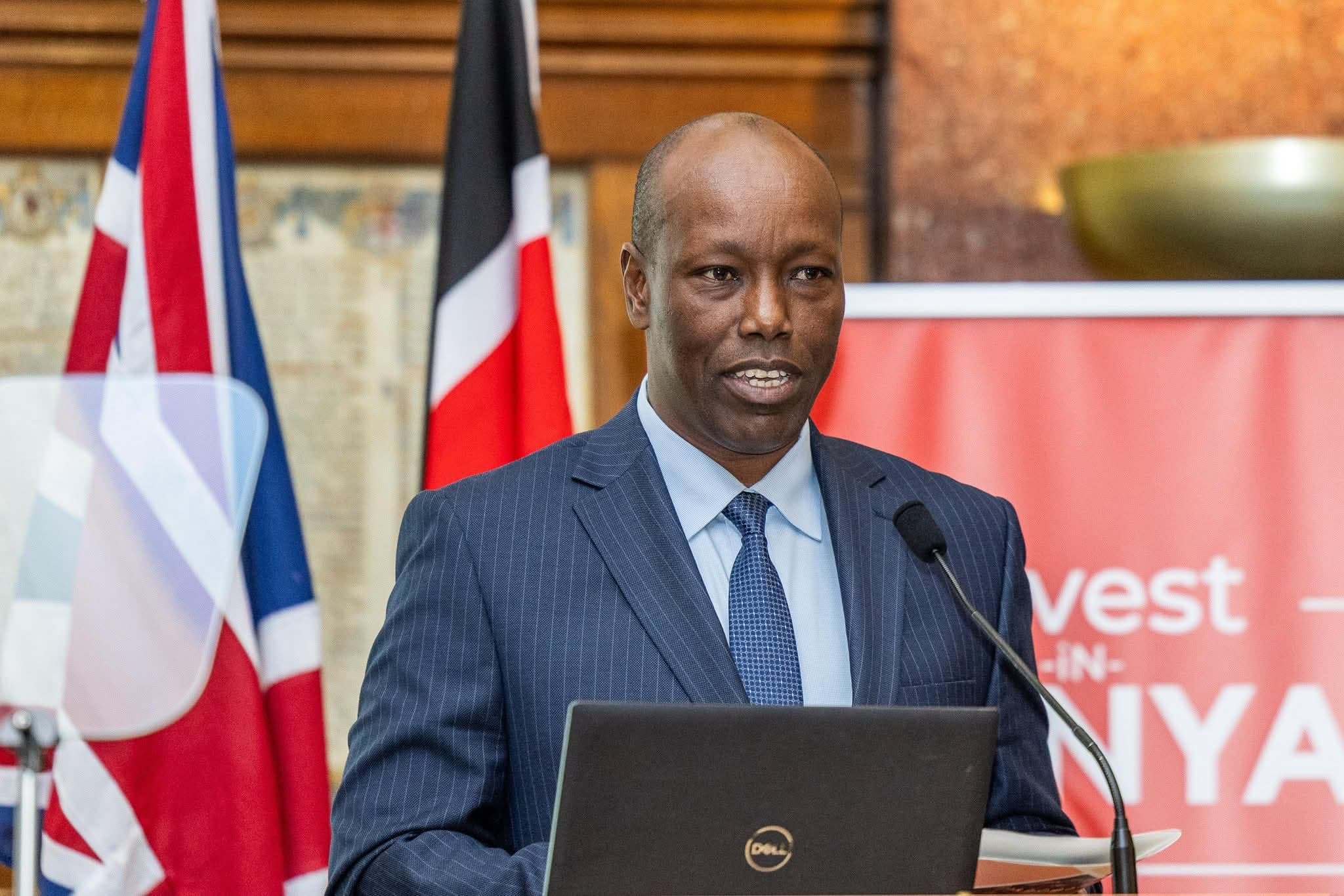
The surge in violence is paralleled by a marked decline in democratic governance. The Varieties of Democracy (V-Dem) Institute’s 2025 report warns that over 70% of East Africa's youth could be living under autocratic rule by 2030. Recent events in Tanzania have amplified these concerns. The country's 2025 general election was widely criticised by international observers, including the Southern Africa Development Community (SADC), for failing to meet democratic standards amid reports of violence, internet blackouts, and the suppression of opposition. Kenya's Trade Cabinet Secretary, Lee Kinyanjui, stated in November 2025 that the electoral tensions in Tanzania were “impeding movement and curtailing investor confidence” across the East African Community (EAC).
This democratic decay is not isolated. In Kenya, the state's violent response to the anti-finance bill protests in 2024, which led to dozens of deaths, has placed the country in a democratic 'grey-zone', according to the V-Dem Institute. Across the region, activists and government critics face harassment, abduction, and suppression, as documented by Human Rights Watch in its World Report 2025.
The vision of a deeply integrated and prosperous East African economic bloc is facing its most severe test. The EAC is in the midst of a crippling financial crisis, with member states owing a collective $58 million in contributions as of March 2025. This shortfall has paralysed key operations, including the East African Legislative Assembly (EALA) and the East African Court of Justice (EACJ). Compounding the institutional decay, intra-EAC trade has declined from 16% to 14% of total trade in recent years, a clear sign of resurgent protectionist policies and persistent non-tariff barriers that undermine the core principles of the Common Market Protocol.
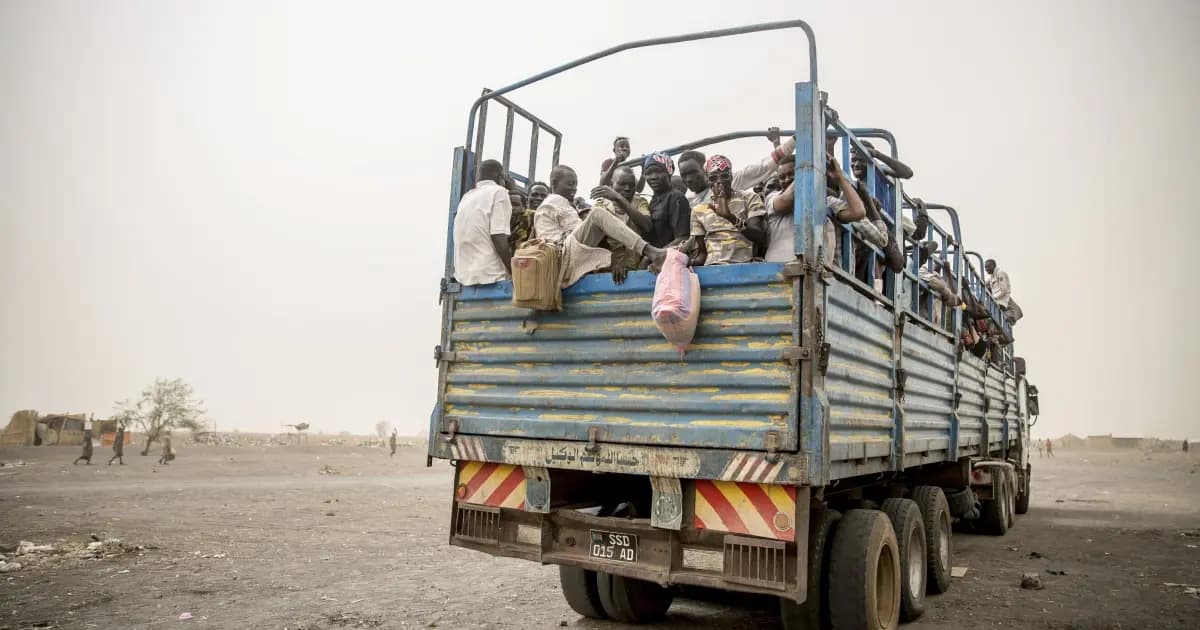
For ordinary citizens, the situation is dire. By June 2025, an estimated 56.7 million people across the Horn of Africa were classified as acutely food insecure, driven by the combined effects of conflict, climate change-induced droughts, and soaring food prices. The entire region hosted 24.7 million displaced people by March 2025, including 5.7 million refugees and asylum-seekers, placing immense strain on host nations like Kenya, Uganda, and Ethiopia.
As a key economic and diplomatic power, Kenya is central to regional stability efforts. The government has consistently reaffirmed its commitment to peace initiatives in the DRC, Sudan, and Somalia through the EAC and the Intergovernmental Authority on Development (IGAD). However, this role is becoming increasingly strained. Kenya's peace missions are bogged down by mistrust and resource fatigue, while its diplomatic efforts in Sudan have been met with accusations of bias from Khartoum. Domestically, Kenya bears a heavy burden, hosting over 843,000 refugees and asylum-seekers as of March 2025, with numbers swelling due to the crises in Sudan and the DRC. The instability in neighbouring countries directly impacts Kenya's economy, disrupting trade routes and deterring investment, as seen in the aftermath of Tanzania's disputed election. While Kenya continues to project itself as a regional anchor, it must navigate these external pressures while managing its own significant internal political and economic challenges.
Keep the conversation in one place—threads here stay linked to the story and in the forums.
Sign in to start a discussion
Start a conversation about this story and keep it linked here.
Other hot threads
E-sports and Gaming Community in Kenya
Active 9 months ago
The Role of Technology in Modern Agriculture (AgriTech)
Active 9 months ago
Popular Recreational Activities Across Counties
Active 9 months ago
Investing in Youth Sports Development Programs
Active 9 months ago
Key figures and persons of interest featured in this article