We're loading the full news article for you. This includes the article content, images, author information, and related articles.
Intensified drone strikes in the Kordofan region have led to mass casualties, marking a brutal new phase in Sudan's civil war that threatens to spill over into neighboring East African nations.
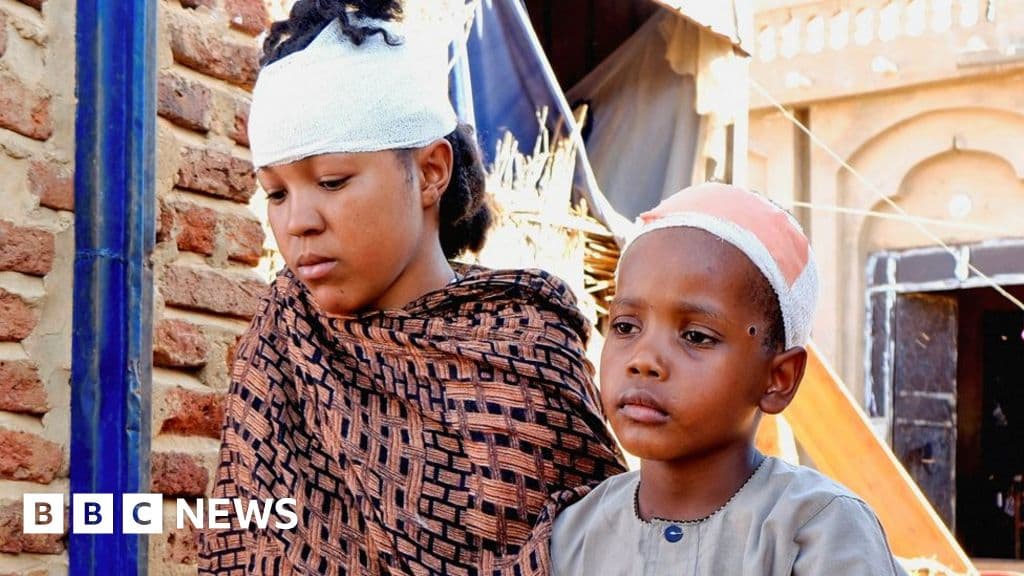
Intensified drone strikes in the Kordofan region have led to mass casualties, marking a brutal new phase in Sudan's civil war that threatens to spill over into neighboring East African nations.
The relentless hum of unmanned aerial vehicles has become the new soundtrack of terror in Sudan's resource-rich Kordofan region. As the civil war enters a brutal new chapter, drone warfare is indiscriminately leveling civilian infrastructure and military outposts alike.
This escalation matters profoundly not just for Sudan, but for the entire East African bloc. With Kordofan wedged strategically between the capital Khartoum and the war-torn Darfur region, the battle for control over its gold mines and oil fields is creating a massive humanitarian catastrophe that is rapidly destabilizing neighboring countries, including Kenya.
The Kordofan states have long been the economic backbone of Sudan, boasting expansive agricultural lands, lucrative gold mines, and critical oil infrastructure. The paramilitary Rapid Support Forces (RSF) and the Sudanese Armed Forces (SAF) are currently locked in a deadly war of attrition to control these assets. Recent intelligence reports indicate that the RSF, which has already consolidated power in Darfur, is utilizing advanced drone technology to break the SAF's hold on key cities like El-Obeid.
In a coordinated assault this week, drones hammered government-linked facilities in El-Obeid, targeting a military base, a police headquarters, and the regional parliament. The ensuing violence has left an already crippled healthcare system entirely overwhelmed. Medical supplies are exhausted, and local hospitals report critical shortages of trauma medication and surgical equipment.
The human cost of this frontline shift is staggering. According to the United Nations Refugee Agency, a "protection catastrophe" is unfolding at an alarming pace. The statistics paint a grim picture of the realities on the ground:
International observers warn that the systematic destruction of infrastructure in Kordofan could lead to widespread famine. The targeted attacks on telecommunications and power grids have also severed the region from the outside world, making it increasingly difficult for human rights monitors to document the full scale of the atrocities.
The geopolitical shockwaves of the Kordofan offensive are being felt strongly across East Africa. Kenya, which has historically served as a diplomatic mediator and a safe haven for refugees in the region, is bracing for an unprecedented influx of displaced persons. The Kakuma and Dadaab refugee camps in northern Kenya are already operating far beyond their intended capacities, and a fresh wave of Sudanese refugees could stretch the country's resources to the breaking point.
Furthermore, security analysts in Nairobi have expressed profound concern over the proliferation of drone technology in the Horn of Africa. The ease with which non-state actors have acquired and deployed sophisticated combat drones sets a dangerous precedent for regional security. There are mounting fears that the weaponry fueling the Sudanese conflict could find its way into the hands of militant groups operating across East Africa, threatening cross-border trade and regional integration efforts.
Diplomatic efforts led by the Intergovernmental Authority on Development (IGAD) and the African Union have so far failed to secure a lasting ceasefire. Despite immense international pressure and threats of sanctions, both the SAF and the RSF appear determined to secure a decisive military victory, regardless of the civilian toll.
As the conflict protracts, the resilience of the Sudanese people is being tested beyond measure. The transformation of Kordofan into a heavily militarized drone testing ground signifies a dangerous evolution in modern African warfare—one where remote-controlled death rains from above, leaving communities shattered and destitute.
"The skies over Kordofan no longer bring rain for the harvest; they only bring destruction," remarked a weary local leader from El-Obeid, encapsulating the despair of a region caught in the crosshairs of a ruthless power struggle.
Keep the conversation in one place—threads here stay linked to the story and in the forums.
Sign in to start a discussion
Start a conversation about this story and keep it linked here.
Other hot threads
E-sports and Gaming Community in Kenya
Active 9 months ago
The Role of Technology in Modern Agriculture (AgriTech)
Active 9 months ago
Popular Recreational Activities Across Counties
Active 9 months ago
Investing in Youth Sports Development Programs
Active 9 months ago