We're loading the full news article for you. This includes the article content, images, author information, and related articles.
THAILAND: Authorities in Chiang Mai, a city in northern Thailand, are investigating the deaths of dozens of tigers at a popular tourist attraction this month.
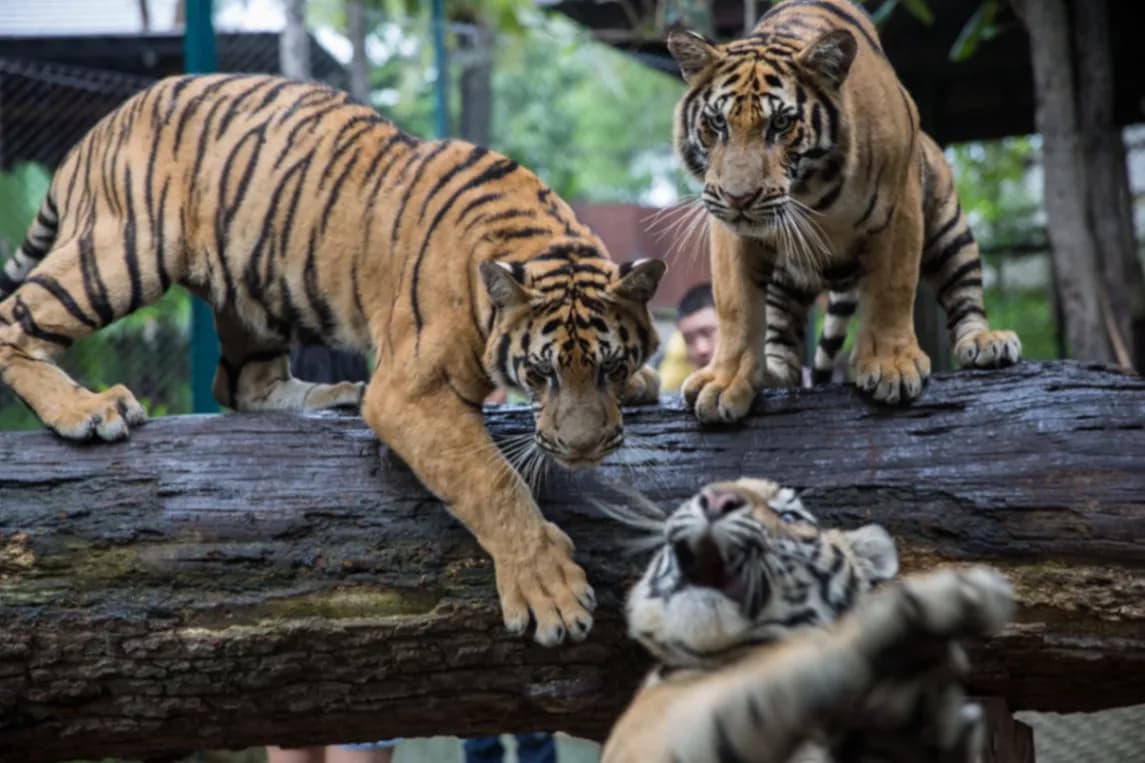
A devastating viral outbreak has decimated the captive tiger population at a highly lucrative tourist attraction in northern Thailand, reigniting fierce global outrage over the severe ethical and biological perils associated with commercial wildlife exploitation.
The shocking death of 72 tigers within a brutal two-week window at the Tiger Kingdom facilities in Chiang Mai has prompted a massive, multi-agency forensic investigation by Thai livestock and wildlife authorities. The immediate mass cremation of the carcasses underscores the severe biological hazard and absolute panic surrounding the unprecedented mortality rate.
This catastrophic event demands intense international scrutiny because it exposes the deep, systemic vulnerabilities of hyper-commercialised animal tourism. The mass casualties at what is ostensibly a "sanctuary" lay bare the grim reality of high-density wildlife captivity, serving as a bleak cautionary tale for nations worldwide that seek to monetise their natural heritage.
Preliminary epidemiological diagnostics conducted by the regional livestock department indicate that the big cats succumbed to an aggressive strain of the canine distemper virus (CDV). Historically associated with domestic dogs, CDV has increasingly emerged as an apex predator killer, triggering severe respiratory, gastrointestinal, and devastating neurological symptoms that almost invariably lead to a highly agonising death.
Investigators are currently scrambling to establish the precise vector of the outbreak. How a highly contagious pathogen infiltrated two separate, tightly managed enclosures remains the focal point of the ongoing probe. The terrifying velocity of the contagion highlights the extreme immunological fragility of animals bred and confined in unnatural, high-density enclosures explicitly designed for human interaction.
Tiger Kingdom Chiang Mai represents a controversial, yet immensely popular sector of the Asian tourism industry where international visitors pay premium rates to touch, feed, and photograph themselves alongside apex predators. Animal welfare organisations have spent decades aggressively condemning these operations, arguing that they prioritise rapid commercial profit over fundamental biological welfare.
The tragedy in Chiang Mai provides irrefutable evidence that treating endangered predators as interactive commercial commodities creates an unsustainable biological powder keg, one that ultimately harms both the species and the regional tourism brand.
For Kenya, a global superpower in wildlife conservation, the Thai disaster provides a stark, vindicating contrast to its own ecotourism philosophies. The Kenya Wildlife Service (KWS) stringently prohibits the captive "petting zoo" models that plague Southeast Asia, strictly enforcing a model of distant, non-invasive observation within expansive, natural savannah ecosystems such as the Maasai Mara and Tsavo.
The rapid spread of CDV in Chiang Mai completely validates Kenya's rigorous ecological separation policies. However, it also serves as a potent warning. As human settlements increasingly encroach upon Kenyan wildlife corridors, the risk of domestic canine diseases jumping into wild predator populations—including lions and wild dogs—is escalating. Kenyan veterinary authorities must actively fortify their buffer zones and expand vaccination programmes for domestic animals bordering national parks to prevent a similar biological catastrophe on African soil.
The sheer scale of the deaths in Thailand must act as the definitive catalyst for legislative reform across the global tourism sector. The era of the "tiger selfie" is intrinsically stained by cruelty and biological recklessness. Governments must begin aggressively phasing out captive breeding facilities that exist solely for entertainment purposes, transitioning instead towards genuine sanctuary models that completely prohibit public contact.
Until international tourists unilaterally refuse to fund these exploitative operations, the cycle of captive suffering will inevitably continue, punctuated by inevitable, tragic viral outbreaks.
"True reverence for nature is demonstrated not by subjugating a predator for a photograph, but by fiercely protecting its absolute right to roam free and wild."
Keep the conversation in one place—threads here stay linked to the story and in the forums.
Sign in to start a discussion
Start a conversation about this story and keep it linked here.
Other hot threads
E-sports and Gaming Community in Kenya
Active 9 months ago
The Role of Technology in Modern Agriculture (AgriTech)
Active 9 months ago
Popular Recreational Activities Across Counties
Active 9 months ago
Investing in Youth Sports Development Programs
Active 9 months ago