We're loading the full news article for you. This includes the article content, images, author information, and related articles.
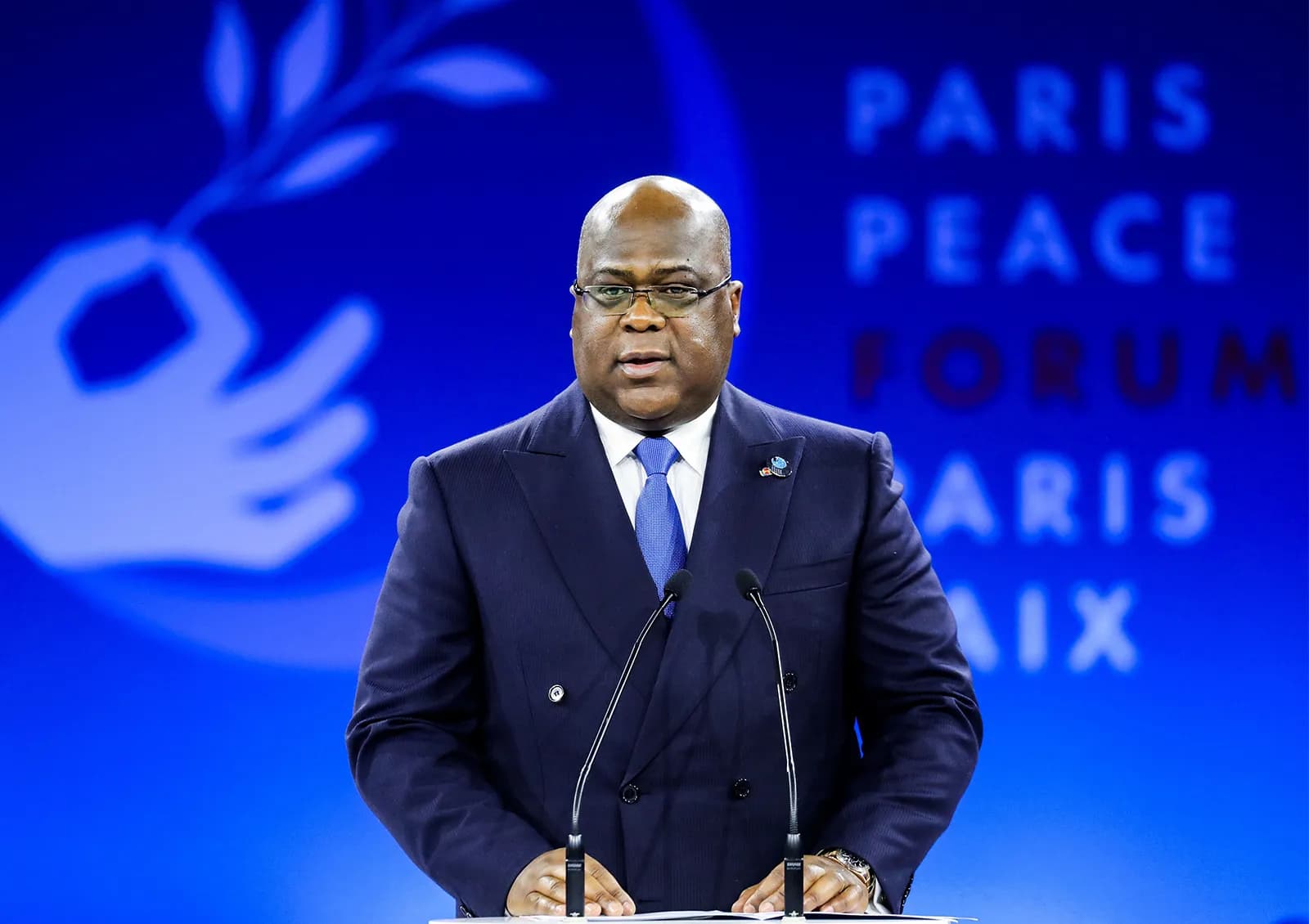
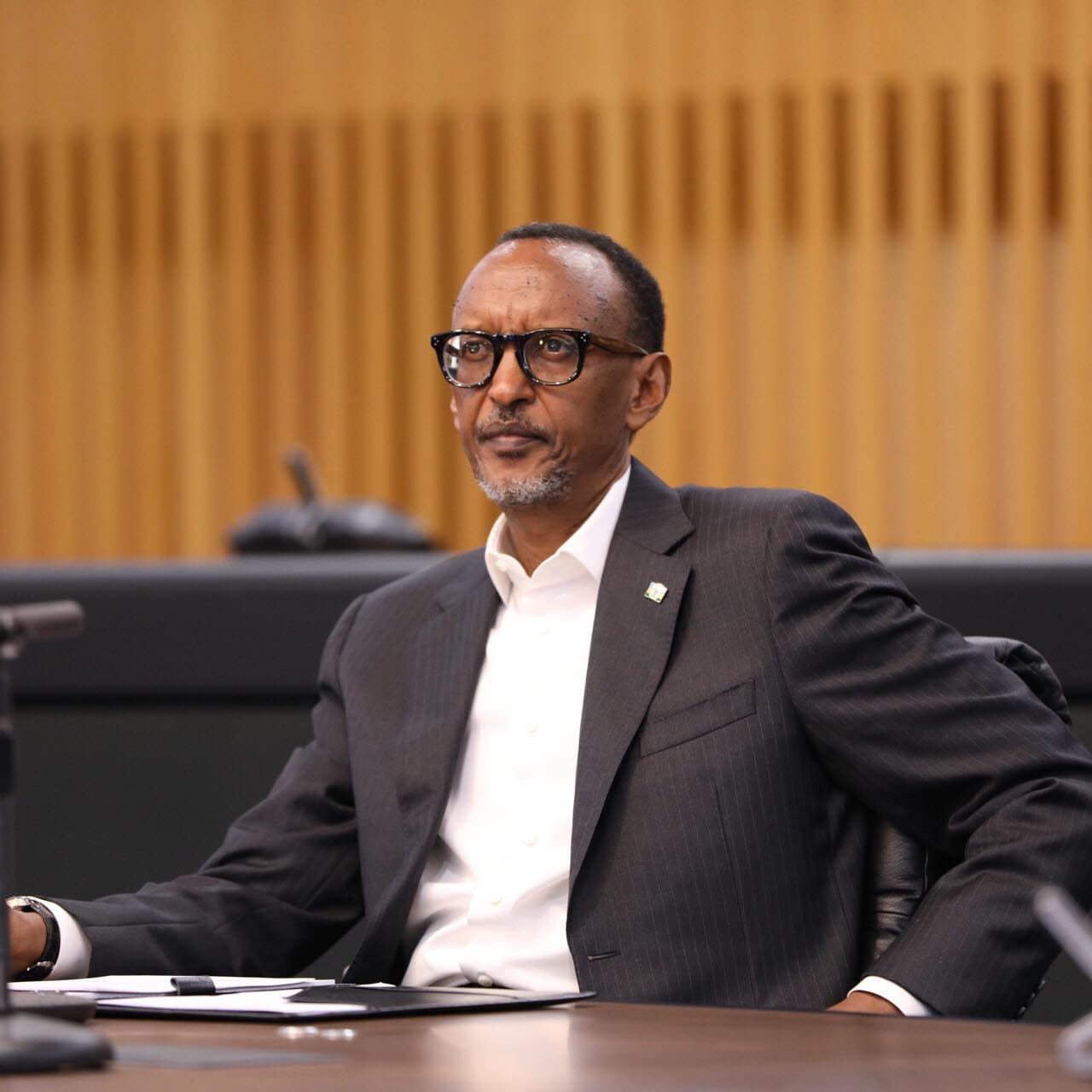
Presidents Paul Kagame of Rwanda and Félix Tshisekedi of the DRC skipped the 25th Ordinary Summit of the East African Community in Arusha amid escalating military tensions.

Presidents Paul Kagame of Rwanda and Félix Tshisekedi of the Democratic Republic of Congo (DRC) conspicuously skipped the 25th Ordinary Summit of the East African Community (EAC) in Arusha, casting a long shadow over the bloc's diplomatic cohesion.
The high-level meeting, chaired by Kenya's President William Ruto and hosted by Tanzania's Samia Suluhu, was intended to tackle pressing regional issues, including trade barriers and funding gaps. Instead, the absence of two key leaders dominated the narrative.
This diplomatic boycott highlights the fragile state of security in the mineral-rich eastern DRC. For the East African Community, the ongoing proxy wars and border skirmishes between Kigali and Kinshasa not only threaten regional integration but actively deter foreign direct investment across the entire corridor, impacting economies from Mombasa to Goma.
EAC Secretary General Veronica Nduva officially attributed the absences to "pressing domestic commitments," noting that President Kagame appointed his Prime Minister to attend, while President Tshisekedi dispatched two government ministers. South Sudan's President Salva Kiir was also notably absent due to internal crises.
However, geopolitical analysts read the situation differently. The no-shows occurred just a day after the United States State Department announced severe visa restrictions on senior Rwandan officials. Washington accused Kigali of actively undermining a recently brokered peace deal by training, funding, and fighting alongside the M23 rebel group in eastern DRC.
The M23 insurgency has displaced hundreds of thousands of Congolese civilians and captured strategic towns near the borders. The US Treasury Department asserts that Rwanda's military presence in the region goes far beyond defensive posturing, risking a broader, multi-state war in the Great Lakes region.
Rwanda has vehemently denied these allegations, claiming the US sanctions distort the reality on the ground and insisting its actions are solely to secure its borders against hostile militias operating within the DRC's loosely governed eastern provinces.
In response to the deteriorating security situation, the EAC is now escalating the peace process to the continental level. Secretary General Nduva revealed that the regional bloc has sought the support of the African Union to address the conflict collectively.
Efforts spearheaded by former Kenyan President Uhuru Kenyatta under the Nairobi peace process have stalled as hostilities resume. The integration of SADC (Southern African Development Community) forces into the region further complicates the military landscape.
"Peace and security remain fundamental pillars for regional development. Without stability, efforts towards regional cooperation and integration cannot succeed," Nduva stated, delivering a sobering reminder of the stakes involved in Arusha.
Keep the conversation in one place—threads here stay linked to the story and in the forums.
Sign in to start a discussion
Start a conversation about this story and keep it linked here.
Other hot threads
E-sports and Gaming Community in Kenya
Active 9 months ago
The Role of Technology in Modern Agriculture (AgriTech)
Active 9 months ago
Popular Recreational Activities Across Counties
Active 9 months ago
Investing in Youth Sports Development Programs
Active 9 months ago
Key figures and persons of interest featured in this article