We're loading the full news article for you. This includes the article content, images, author information, and related articles.
Over one million people are displaced in Lebanon as conflict ravages communities, leaving families in Beirut struggling for survival and security.
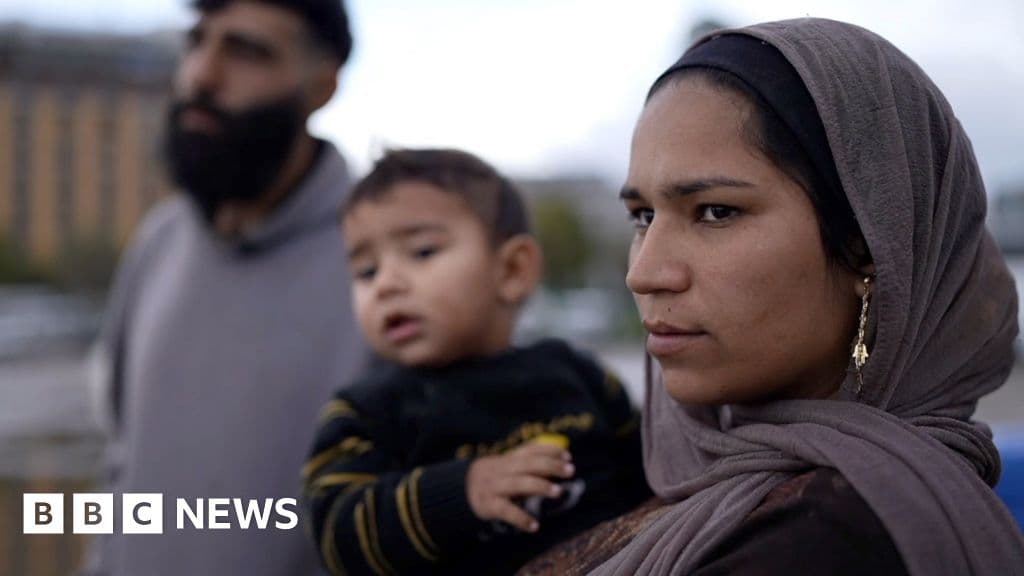
Fatima sits on a thin, foam mattress in a repurposed classroom in central Beirut, clutching the only photograph she managed to save from her ancestral home in southern Lebanon. Outside, the city, already groaning under the weight of a decade of economic stagnation, struggles to absorb the tide of humanity pouring in from the borders. She is one of more than a million people across the nation who have been forced to leave everything behind, their lives fractured by an escalating conflict that shows no signs of abating.
This mass displacement is not merely a statistical anomaly it is a profound rupture in the social and economic fabric of the Levant. As infrastructure crumbles and the government remains deadlocked, the humanitarian crisis has moved beyond an emergency phase into a chronic state of survival for millions. For the international community, the unfolding events in Lebanon represent a destabilizing force that threatens to reverberate far beyond the Middle East, impacting everything from regional security architectures to the global cost of essential commodities.
The displacement crisis in Lebanon is inextricably linked to the systematic destruction of housing and public infrastructure. Satellite imagery and reports from aid organizations indicate that vast swaths of the southern border regions have been rendered uninhabitable. For families like Fatima’s, the initial hope of returning within days has evaporated, replaced by the grim reality of life in collective shelters, school buildings, and makeshift encampments that lack basic sanitation and healthcare facilities.
The scale of this migration has placed an unsustainable burden on urban centers. Beirut, already dealing with a pre-existing housing shortage, has seen rental prices skyrocket by over 300 percent in some districts. This has created a secondary crisis of homelessness among the displaced who arrived with modest savings, only to watch their financial resources dissolve within weeks due to hyper-inflation and the collapse of the local banking sector.
The numbers behind this tragedy provide a harrowing snapshot of a nation pushed to its limit. Humanitarian agencies on the ground emphasize that the current response is severely underfunded, leaving critical gaps in nutrition, medicine, and education for the hundreds of thousands of children currently out of school.
Beyond the immediate human suffering, the displacement of one-fifth of the population has effectively paralyzed the country's agricultural and service sectors. Southern Lebanon, once the breadbasket of the nation, is now largely unproductive. This loss of domestic production has forced the country to rely heavily on expensive food imports, further draining depleted foreign currency reserves. The financial strain is catastrophic when converted to local currency, the deficit required to maintain even basic humanitarian standards is estimated at over KES 350 billion annually, a sum the central government is currently unable to secure.
Observers from international financial institutions warn that without a comprehensive political settlement and a massive influx of foreign aid, Lebanon faces the risk of complete institutional collapse. The lack of a functioning government has meant that disaster relief is being handled almost exclusively by local civil society groups and international NGOs, whose resources are being stretched to the breaking point.
For a reader in Nairobi or elsewhere in East Africa, the crisis in Lebanon might seem distant, yet the implications are profound. Regional instability in the Middle East consistently ripples across global markets, influencing the price of oil and logistics costs for maritime trade. Furthermore, as the world witnesses the largest refugee displacement event in the region in decades, the international system is tested on its commitment to human rights and burden-sharing.
Diplomatic experts argue that the Lebanon situation is a bellwether for the efficacy of international intervention in the 21st century. If global powers continue to prioritize proxy maneuvering over humanitarian stabilization, the cycle of conflict will only deepen. The crisis serves as a stark reminder that in an interconnected global economy, the disintegration of a nation state does not stay contained within its borders.
As the sun sets over the crowded corridors of the Beirut school that now serves as her home, Fatima does not speak of geopolitics or economic indicators. She speaks only of the silence where her garden used to be. Whether the international community can move beyond rhetoric to address the fundamental causes of this displacement—and secure the dignified return of these families—remains the defining question of the year.
Keep the conversation in one place—threads here stay linked to the story and in the forums.
Sign in to start a discussion
Start a conversation about this story and keep it linked here.
Other hot threads
E-sports and Gaming Community in Kenya
Active 10 months ago
The Role of Technology in Modern Agriculture (AgriTech)
Active 10 months ago
Popular Recreational Activities Across Counties
Active 10 months ago
Investing in Youth Sports Development Programs
Active 10 months ago