We're loading the full news article for you. This includes the article content, images, author information, and related articles.
President Cyril Ramaphosa’s attempt to downplay South Africa’s G7 exclusion hides a deeper diplomatic fracture and the rise of Kenya as a key Western partner.

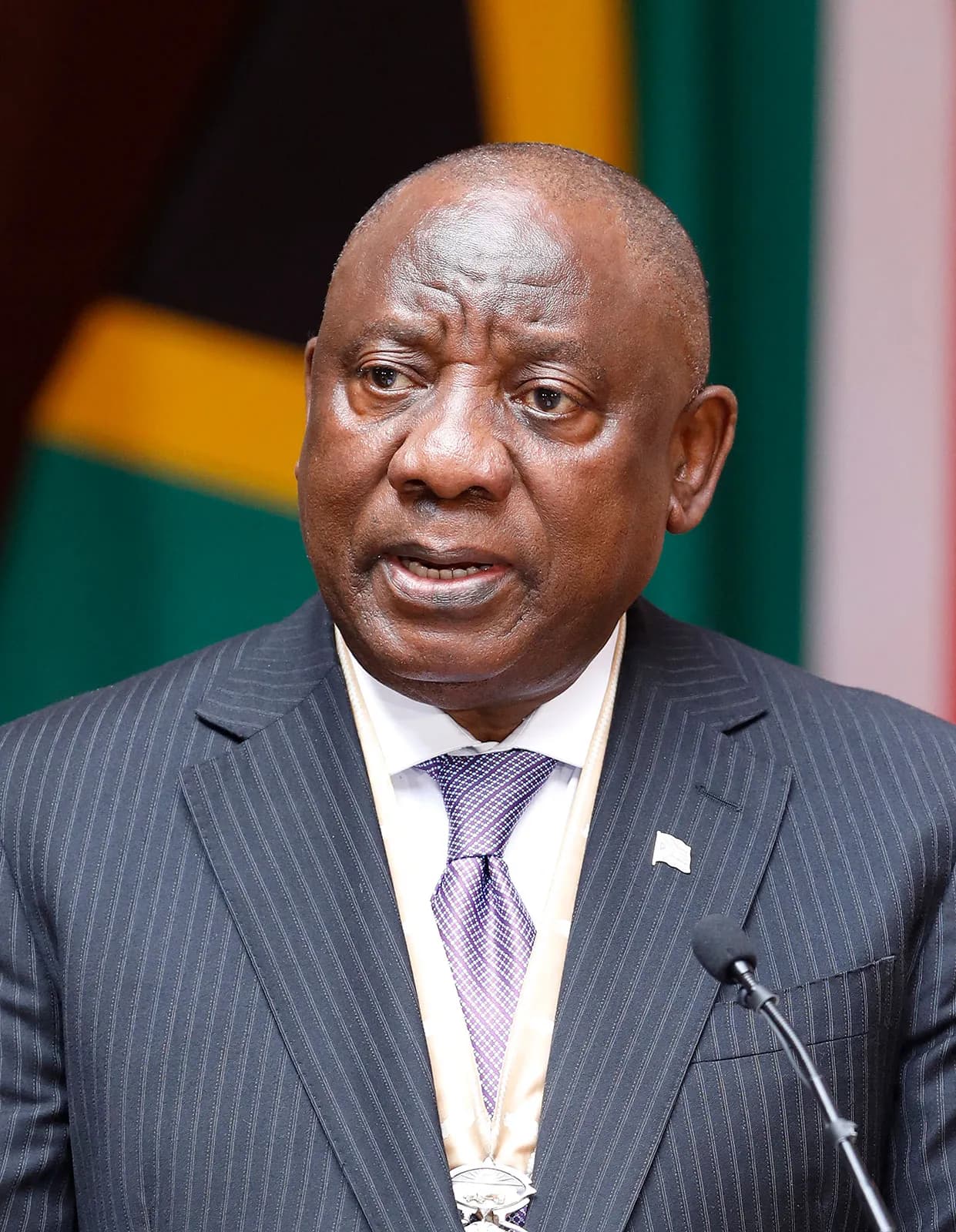
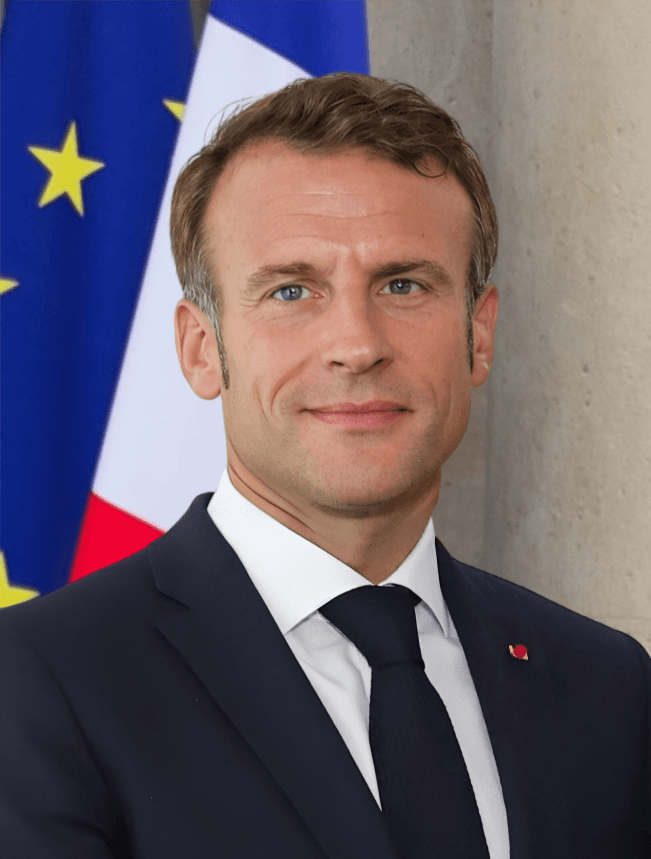
President Cyril Ramaphosa’s recent attempt to downplay the abrupt exclusion of South Africa from the forthcoming Group of Seven (G7) summit in France masks a profound shift in the diplomatic tectonic plates between the West and the Global South. While the South African head of state publicly maintains that non-attendance is a standard procedural outcome for non-member nations, the abrupt reversal of an invitation—initially extended by French President Emmanuel Macron—signals a deepening rift between Pretoria and Washington. This diplomatic realignment, which sees Nairobi take a coveted seat at the table, serves as a litmus test for the changing priorities of Western powers in East Africa.
The stakes of this development extend far beyond a single summit guest list. For Kenya, the invitation represents a significant validation of its increasingly pro-Western foreign policy and its role as a regional economic anchor. For South Africa, the exclusion is a sharp rebuke, highlighting the growing friction between Pretoria’s non-aligned stance in global conflicts and the strategic requirements of the G7 bloc, which has become increasingly assertive regarding its stance on international security and supply chain independence. With the global economy balancing on the precipice of fragmentation, the choice of who is invited to the table is no longer about diplomatic courtesy it is about choosing sides.
The narrative surrounding the withdrawal of the invitation is rife with contradiction. While President Ramaphosa asserted that his information suggests no external pressure influenced the French government’s decision, high-ranking officials within his own administration have painted a different picture. According to senior diplomatic sources in Pretoria, the withdrawal was the direct result of sustained lobbying by the United States. Reports indicate that the White House made its participation contingent on the exclusion of South Africa, citing Pretoria’s deepening ties within the BRICS alliance and its ambiguous position on various international geopolitical conflicts.
France, currently holding the rotating presidency of the G7, finds itself in a precarious position. President Macron has consistently pushed for a broader G7 outreach to the Global South, aiming to position the bloc as a relevant partner for emerging economies. However, by acceding to American demands to swap South Africa for Kenya, the Élysée Palace has demonstrated that the G7’s strategic cohesion with the United States remains the primary directive. This move effectively sidelines South Africa, an economy with a GDP estimated at approximately USD 350 billion (KES 45.5 trillion), in favor of Kenya, which has successfully positioned itself as a stable, reform-oriented partner for Western investment.
Kenya’s inclusion is not an accident of geography it is the result of years of calculated diplomatic maneuvering. Under the current administration, Nairobi has strengthened its strategic trade partnerships with the United States and the European Union, positioning itself as a democratic bulwark in a region often characterized by volatility. For Washington, Kenya is a reliable partner in matters of counter-terrorism, maritime security in the Indian Ocean, and economic liberalization. This alignment has yielded tangible benefits, including increased Foreign Direct Investment (FDI) and a seat at the table in global forums traditionally reserved for larger economies.
The following metrics highlight the growing divergence in the strategic profiles of the two nations as viewed by international investors and Western policymakers:
Economists at the University of Nairobi suggest that this invitation is a signal to global markets. By integrating Kenya into the G7 discussions, the bloc is effectively signaling that it prefers to engage with economies that demonstrate a clear commitment to market-friendly reforms and political alignment with Western institutions. For a Kenyan start-up in the Silicon Savannah, this signals increased access to international capital for a South African firm, it raises questions about the cost of maintaining a "non-aligned" diplomatic stance.
South Africa’s exclusion serves as a stark reminder of the limits of non-alignment in an era of heightened great-power competition. Since the escalation of global geopolitical tensions, Pretoria has attempted to walk a tightrope, engaging with both the West and the expanded BRICS bloc. Critics argue that this balancing act is becoming increasingly untenable. By attempting to appease all sides, Pretoria risks alienating its most significant export markets, which remain firmly entrenched in the Western economic orbit.
Historical data shows that G7 summits have become increasingly transactional. Invitations are rarely extended for the sake of diversity they are extended to secure alliances on specific issues, from green energy transitions to supply chain security for critical minerals. If South Africa is unable to demonstrate a clear commitment to the specific security and economic frameworks valued by the G7, it will likely find itself marginalized in future high-level summits. The incident in Élysée, while dismissed by the presidency as a standard administrative matter, highlights a deeper strategic isolation that could have long-term consequences for South Africa’s ability to attract the investment necessary to stimulate its struggling economy.
As the international community prepares for the June summit, the focus will inevitably shift toward what Kenya can contribute to the table. Will Nairobi be able to leverage this invitation to secure significant infrastructure funding or preferential trade deals? Or will it find itself in the same precarious position as its Southern African counterpart, forced to navigate the increasingly hostile demands of global superpowers? The answer to these questions will define the next decade of East Africa’s role in the global order. For now, the message from the G7 is clear: the global stage is crowded, and the price of entry is alignment.
Keep the conversation in one place—threads here stay linked to the story and in the forums.
Sign in to start a discussion
Start a conversation about this story and keep it linked here.
Other hot threads
E-sports and Gaming Community in Kenya
Active 10 months ago
The Role of Technology in Modern Agriculture (AgriTech)
Active 10 months ago
Popular Recreational Activities Across Counties
Active 10 months ago
Investing in Youth Sports Development Programs
Active 10 months ago
Key figures and persons of interest featured in this article