We're loading the full news article for you. This includes the article content, images, author information, and related articles.
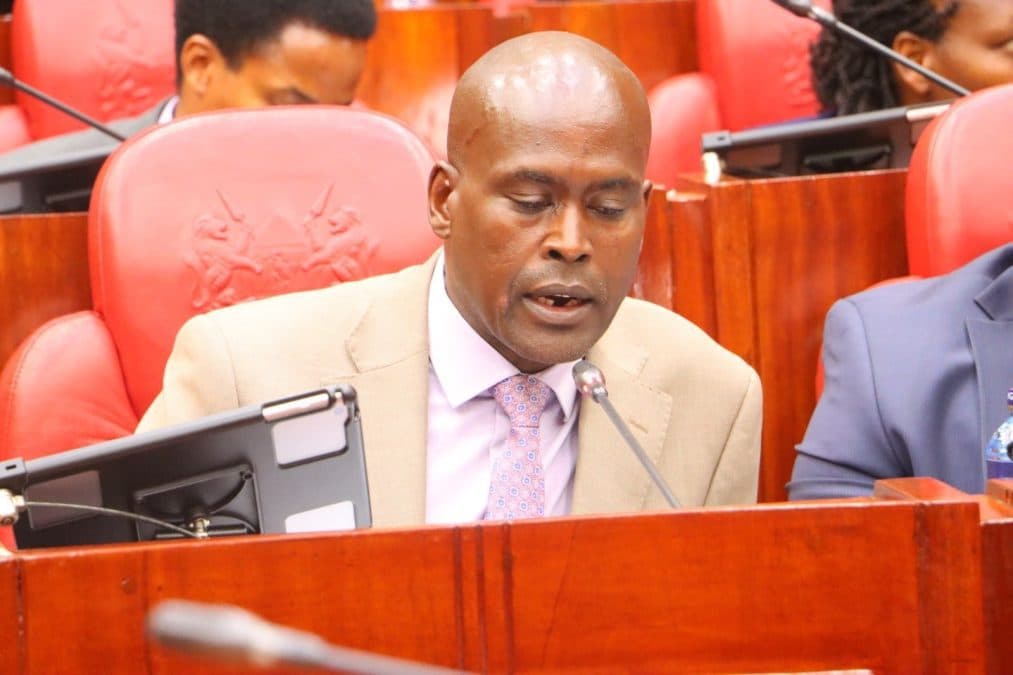
Energy Cabinet Secretary Opiyo Wandayi has ignited a fierce national debate by fiercely defending the constitutional right of state officers to actively participate in political party affairs.
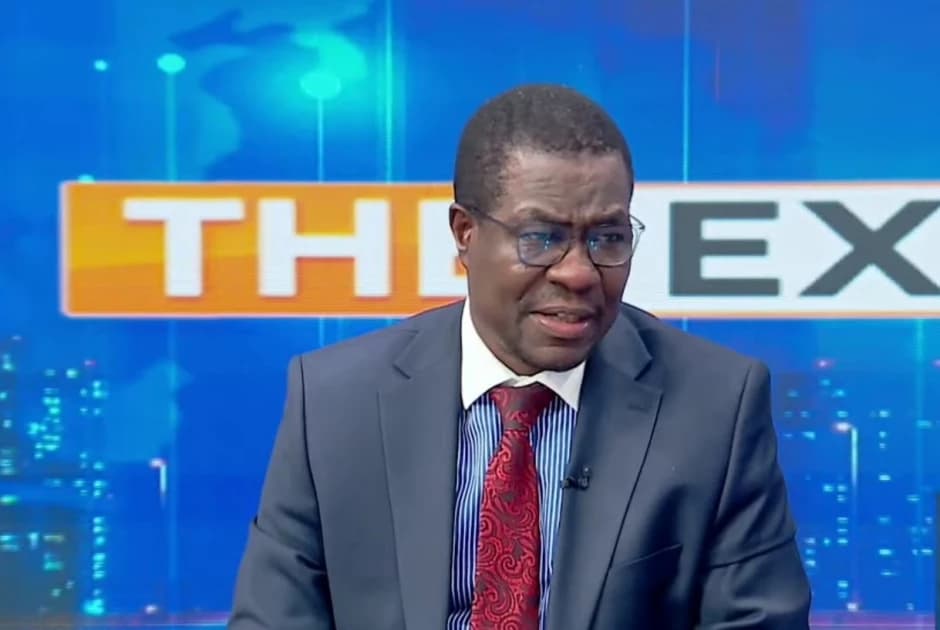
Energy Cabinet Secretary Opiyo Wandayi has ignited a fierce national debate by fiercely defending the constitutional right of state officers to actively participate in political party affairs while simultaneously holding executive office.
The traditional boundary between executive duty and partisan politics is being boldly challenged. Energy Cabinet Secretary Opiyo Wandayi has stepped into the political fray, forcefully arguing that his appointment to the Cabinet does not extinguish his fundamental rights to political association and engagement.
Wandayi's unapologetic stance exposes a complex gray area in Kenya's constitutional framework and the Conflict of Interest Act. As political realignments accelerate ahead of the 2027 elections, his defense of ministerial political activity sets a controversial precedent that could redefine the operational dynamics of the broad-based government and the perceived neutrality of the civil service.
In the highly charged atmosphere of Kenyan politics, the role of Cabinet Secretaries has traditionally been viewed through a lens of strict bureaucratic neutrality. The unwritten expectation has always been that individuals elevated to the highest levels of the Executive branch must sever their visible ties to partisan organizations in order to serve all citizens impartially. However, Energy Cabinet Secretary Opiyo Wandayi has forcefully rejected this conventional wisdom, sparking a profound constitutional conversation. Wandayi, a seasoned political operator who previously served as a prominent legislator, argued passionately that assuming a ministerial portfolio does not strip a citizen of their inherent democratic rights.
Addressing the growing public discourse regarding his continued involvement in the affairs of the Orange Democratic Movement (ODM), the Cabinet Secretary offered a robust legal and philosophical defense of his position. He explicitly clarified that while he formally resigned from his influential position as the party's secretary for political affairs—a critical role he had occupied for nearly a decade—he proudly remains a devoted life member of the political organization. Wandayi asserted that his enduring loyalty to his political roots does not inherently compromise his capacity to execute his demanding portfolio at the Ministry of Energy with utmost professionalism and integrity.
To substantiate his controversial position, Wandayi leaned heavily on a meticulous interpretation of the nation's supreme law. He categorically dismissed the widespread public notion that Cabinet Secretaries must operate in an entirely apolitical vacuum, labeling such expectations as a fundamental "misconception" of the legal reality. The minister strategically directed his critics to Article 38 of the Constitution, a foundational clause that guarantees every Kenyan citizen the inalienable right to form, join, and actively participate in the activities of a political party.
"The constitution explicitly recognizes that Cabinet Secretaries are also citizens who retain their fundamental rights to free association and robust political engagement," Wandayi articulated clearly during a recent public address. He emphasized that these fundamental democratic rights cannot be arbitrarily limited or suspended except under highly specific, legally defined contexts that do not currently apply to his situation.
Furthermore, Wandayi anchored his defense in the specific provisions of the recently enacted Conflict of Interest Act of 2025. According to his interpretation of this critical legislation, the Act intentionally draws a distinction between career civil servants and political appointees. He argued that the legal framework specifically permits Cabinet Secretaries and County Executive Committee members to maintain their political affiliations and participate in party activities, while rightly imposing strict political restrictions on other categories of appointed public officials who are required to maintain absolute bureaucratic neutrality.
The debate triggered by Wandayi's assertions cuts to the very heart of how executive power is exercised and perceived in a modern democracy. Critics of his stance argue that high-profile political engagement by sitting ministers inevitably clouds the execution of government duties. There is a persistent fear that public resources might be subtly redirected to favor political strongholds, or that policy decisions could be unduly influenced by partisan agendas rather than the national interest.
Addressing these profound concerns, Wandayi maintained that his primary professional responsibility remains the effective communication and implementation of the Executive's national development agenda. He insisted that "Participating in party activities does not interfere with my ability to serve all citizens equally." As Kenya navigates the complexities of a unique broad-based government structure, the resolution of this debate will undoubtedly establish crucial precedents for the future conduct of public officers across the entire East African region.
Keep the conversation in one place—threads here stay linked to the story and in the forums.
Sign in to start a discussion
Start a conversation about this story and keep it linked here.
Other hot threads
E-sports and Gaming Community in Kenya
Active 9 months ago
The Role of Technology in Modern Agriculture (AgriTech)
Active 9 months ago
Popular Recreational Activities Across Counties
Active 9 months ago
Investing in Youth Sports Development Programs
Active 9 months ago