We're loading the full news article for you. This includes the article content, images, author information, and related articles.
Major church councils have issued a damning assessment of President William Ruto's administration, citing widespread public pain from punitive taxes and a failure to address protests, escalating a confrontation between the State and the clergy.

NAIROBI, KENYA – A powerful coalition of Kenyan church leaders on Thursday, November 13, 2025, delivered a sharp rebuke to President William Ruto's government, declaring Kenya a "sick nation" suffering from poor governance, economic hardship, and a disconnect between the leadership and its citizens. The statement escalates the clergy's increasingly critical stance on the administration's policies and its response to public dissent.
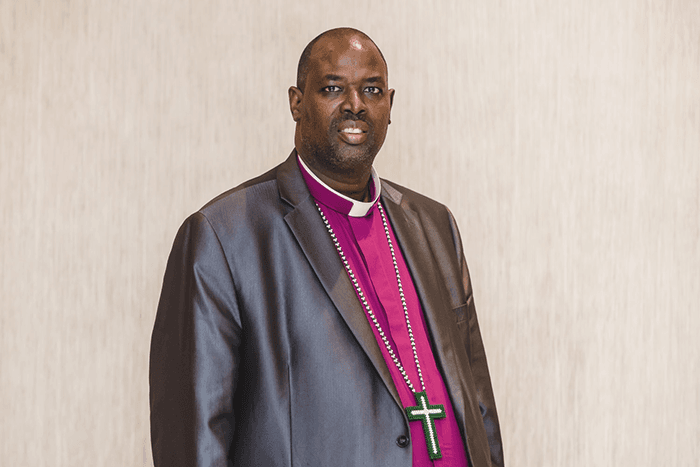
In a joint press conference, leaders from several of Kenya's most influential religious bodies, including the Anglican Church of Kenya (ACK) and the Kenya Conference of Catholic Bishops (KCCB), accused the government of ignoring the cries of its people. "We believe the government has yet to turn the country around. Dismissing the bishops' concerns as 'misleading, erroneous, and false' is dishonest," Anglican Archbishop Jackson Ole Sapit stated, defending the church's role as a voice for the voiceless. The clergy pointed to a raft of unresolved issues, including a punitive tax regime, challenges with the new Social Health Insurance Fund (SHIF), and a failure to address human rights violations.
The church's intervention comes against a backdrop of significant economic strain and social unrest. Throughout 2024 and 2025, Kenya has been rocked by youth-led protests, widely known by the hashtag #RejectFinanceBill2024, against tax hikes and the high cost of living. These demonstrations, which at times turned deadly, saw thousands of young Kenyans take to the streets, demanding accountability and economic relief. The government's initial response, which included police crackdowns and arrests, drew widespread condemnation.
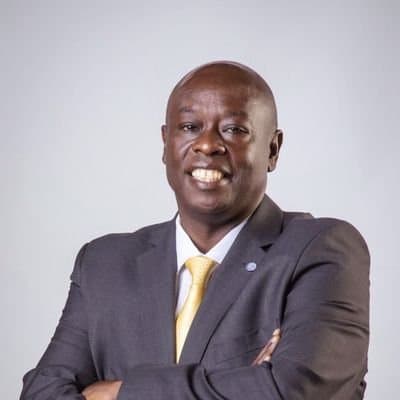
The church leaders' statement directly referenced this public anger. "The church interacts with the grassroots daily and knows what the people are saying," former Deputy President Rigathi Gachagua noted in a separate comment, warning the government against arrogance. According to a September 2025 poll by TIFA Research, 62% of Kenyans believe the country is heading in the wrong direction, with the high cost of living being the primary concern. While the government projects GDP growth of around 5.0% for 2025, many households report a worsening of their personal economic situation.
The church has historically played a pivotal role in Kenya's political landscape, often acting as the nation's conscience during times of crisis. During the authoritarian rule of Daniel arap Moi, church leaders like Anglican Bishop Henry Okullu and Presbyterian Reverend Timothy Njoya were among the most vocal advocates for multi-party democracy and human rights. Their activism, often under the banner of the National Council of Churches of Kenya (NCCK), was instrumental in pushing for political reforms. The current criticism echoes this tradition, positioning the church once again as a powerful counterweight to state power.
The NCCK has been particularly vocal, previously calling on President Ruto to dissolve his cabinet over allegations of incompetence and corruption. "The president has himself said that his Cabinet is incompetent," NCCK General Secretary Reverend Chris Kinyanjui stated in July 2024, reflecting deep-seated public frustration.
Initially, some government officials dismissed the church's criticisms. However, in a more recent and conciliatory shift, President Ruto has indicated a willingness to accept feedback. "We have no problem with input from the church, civil society, or other organisations," Deputy President Kithure Kindiki stated. President Ruto himself affirmed his readiness to embrace constructive dialogue, saying, "I am determined to transform this country."
Despite this, the church leaders remain resolute, demanding concrete action over promises. Their statement called for an immediate resolution to the issues plaguing Kenyans, from the transition to SHIF to the controversial university funding model. The standoff sets the stage for a critical period of negotiation and potential conflict. The clergy has demanded that the government listen to the people, halt police brutality, and address corruption. As Kenya navigates these challenges, the voice of the church is poised to remain a significant force in the national dialogue, advocating for justice and accountability.
Keep the conversation in one place—threads here stay linked to the story and in the forums.
Sign in to start a discussion
Start a conversation about this story and keep it linked here.
Other hot threads
E-sports and Gaming Community in Kenya
Active 9 months ago
The Role of Technology in Modern Agriculture (AgriTech)
Active 9 months ago
Popular Recreational Activities Across Counties
Active 9 months ago
Investing in Youth Sports Development Programs
Active 9 months ago
Key figures and persons of interest featured in this article