We're loading the full news article for you. This includes the article content, images, author information, and related articles.
In a controversial pivot, the President tasks Ministers with spearheading grassroots mobilization, effectively erasing the line between public service and partisan politics.
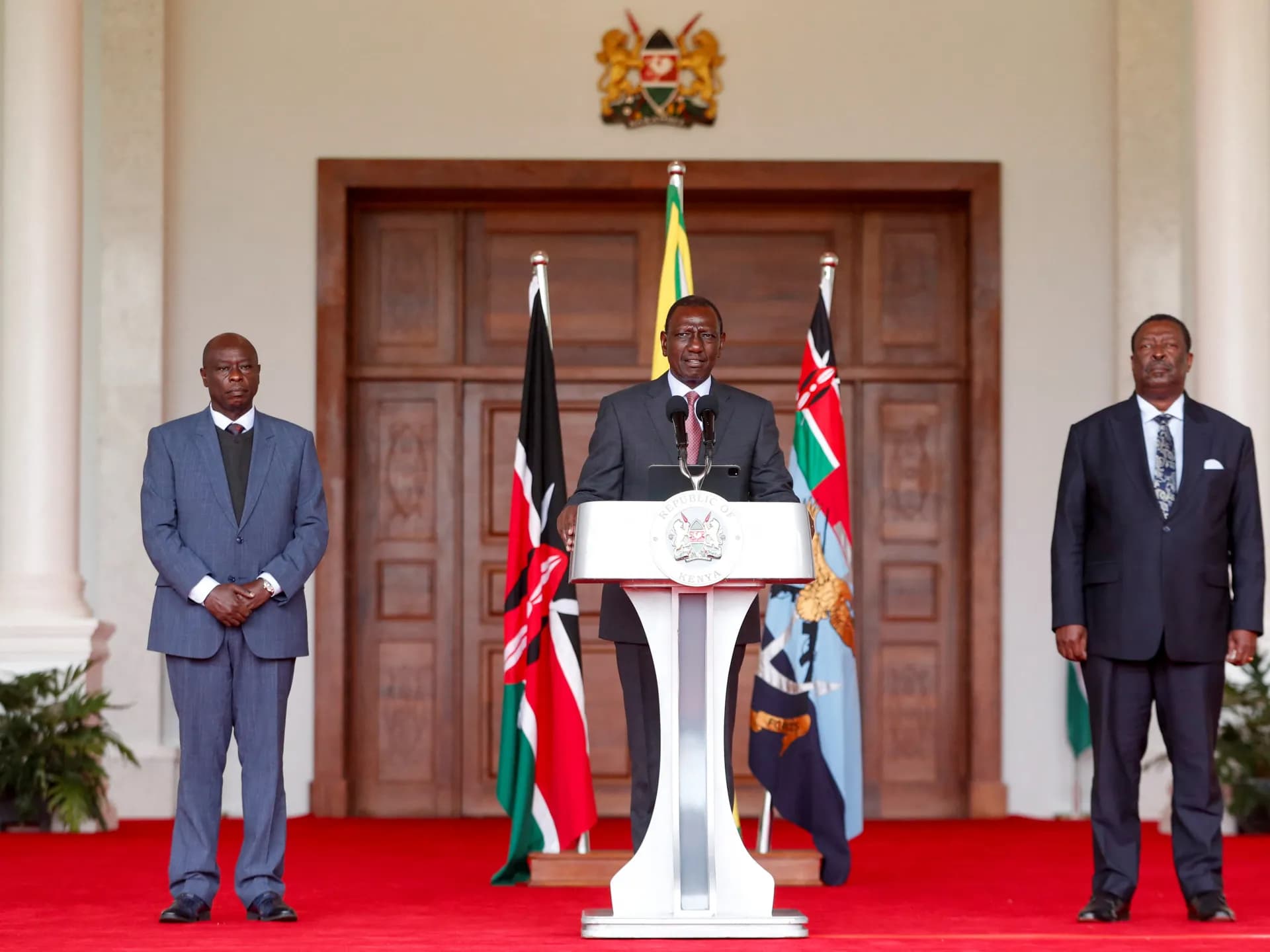
NAIROBI — President William Ruto has effectively dissolved the boundary between statecraft and stagecraft, ordering his Cabinet Secretaries to immediately assume the role of chief campaigners for his 2027 re-election bid. The directive, delivered quietly but implemented loudly, marks a definitive shift from governance to political survival mode nearly two years before the next ballot is cast.
The order transforms the Cabinet—technically a body of non-partisan state officers—into a political machine. According to sources familiar with the strategy, Ministers have been instructed to return to their home counties and consolidate support for the Kenya Kwanza administration. The mandate is clear: use the visibility of high office to secure the President’s second term.
The strategy relies on what insiders call "partisan programmes disguised as development projects." Cabinet Secretaries are ramping up county tours, ostensibly to inspect roads or launch water projects, but utilizing these platforms to drum up political support. This blurring of lines raises significant ethical questions regarding the use of taxpayers' money—your money—to fund what are essentially campaign rallies.
Energy Cabinet Secretary Opiyo Wandayi, a key figure in this new formation, confirmed the shift during a recent event in Siaya County. "I will take charge of leading this region in supporting President Ruto," Wandayi declared, signaling that the broad-based government formed after the 2024 protests has now fully pivoted to electioneering. "We don't want our people misled into backing politicians who have no chance in the coming elections."
The tactical deployment of CSs is precise. The President is leveraging the "seasoned politicians" within his Cabinet—former Governors and MPs—to penetrate specific voting blocs:
For the average Kenyan, this premature electioneering comes at a steep price. While the political class gears up for 2027, the cost of living remains a biting reality. Recent data indicates a surge in the value of edible oil imports to over KES 25 billion, with prices creeping upward. The question on the streets of Nairobi is simple: If the Cabinet is busy campaigning, who is minding the economy?
"It is a distraction we cannot afford," notes a governance analyst who requested anonymity. "When a Minister's primary KPI becomes 'votes delivered' rather than 'services delivered,' the mwananchi suffers. We are paying salaries for campaign managers, not public servants."
As the political temperature rises, the distinction between the government of the day and the campaign team of tomorrow has vanished. For President Ruto, the 2027 race hasn't just begun; it is already the only thing that matters.
Keep the conversation in one place—threads here stay linked to the story and in the forums.
Sign in to start a discussion
Start a conversation about this story and keep it linked here.
Other hot threads
E-sports and Gaming Community in Kenya
Active 9 months ago
The Role of Technology in Modern Agriculture (AgriTech)
Active 9 months ago
Popular Recreational Activities Across Counties
Active 9 months ago
Investing in Youth Sports Development Programs
Active 9 months ago
Key figures and persons of interest featured in this article
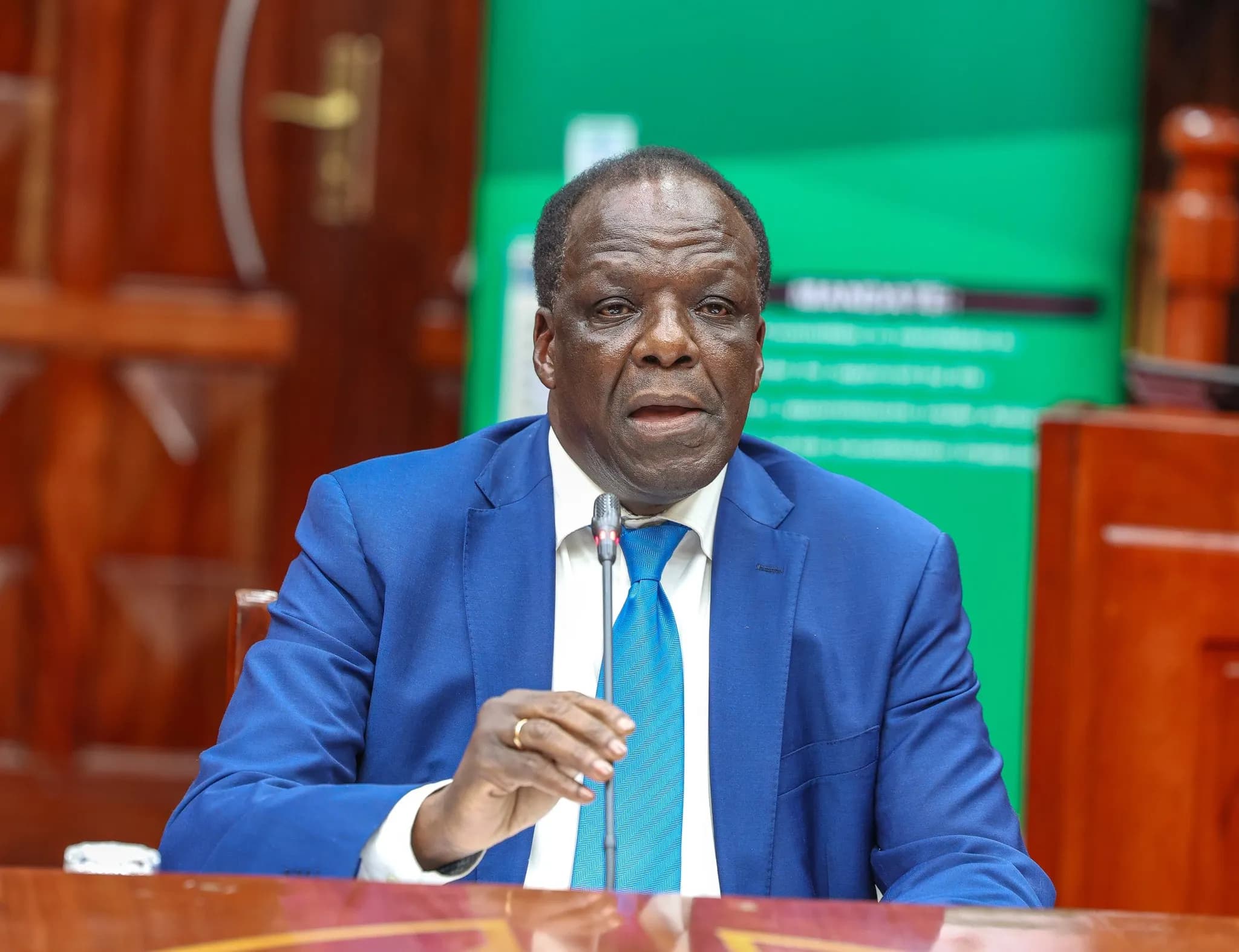
Cabinet Secretary for Cooperatives and MSME Development

Deputy President of Kenya (2022–2024)
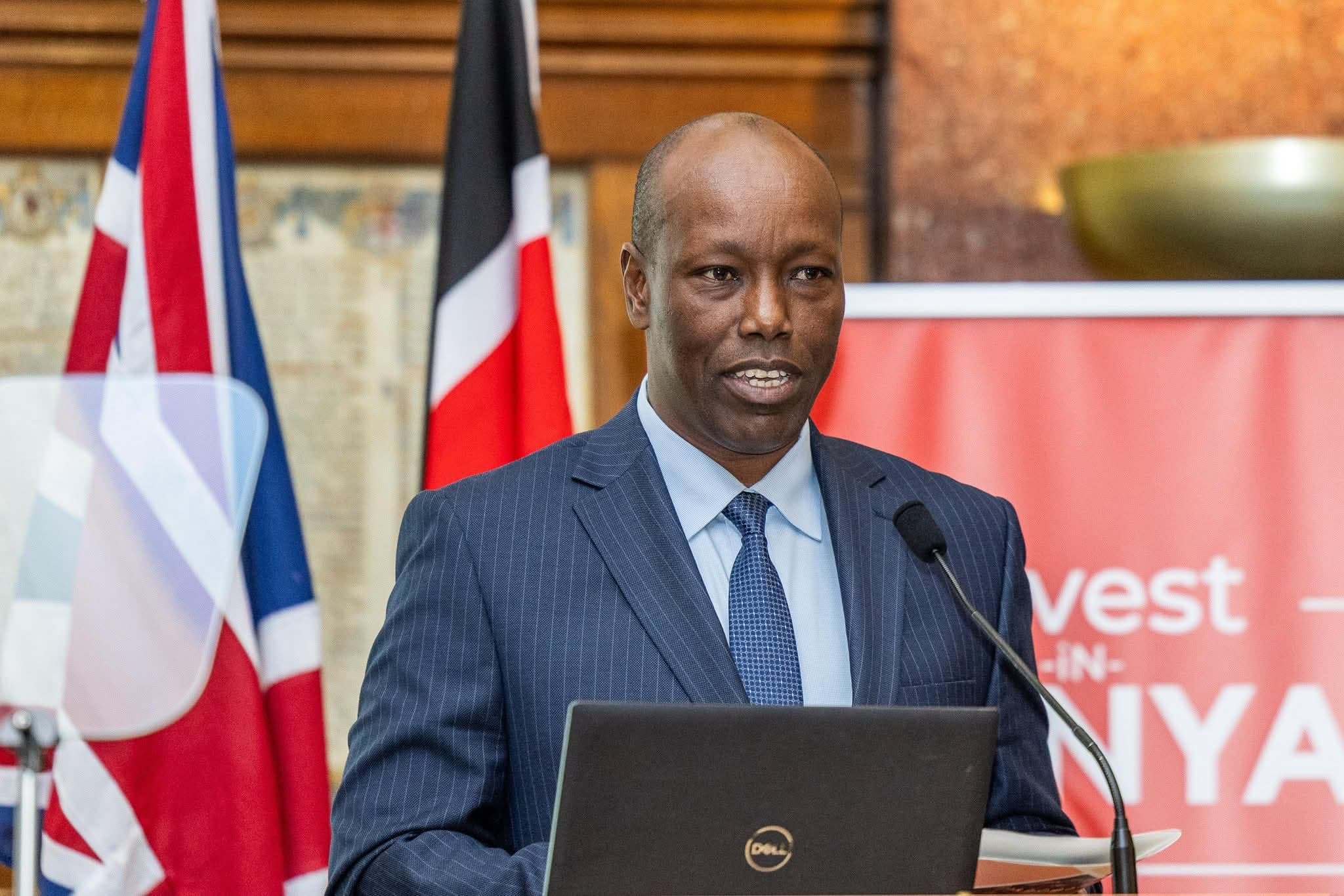
Cabinet Secretary for Investments, Trade and Industry
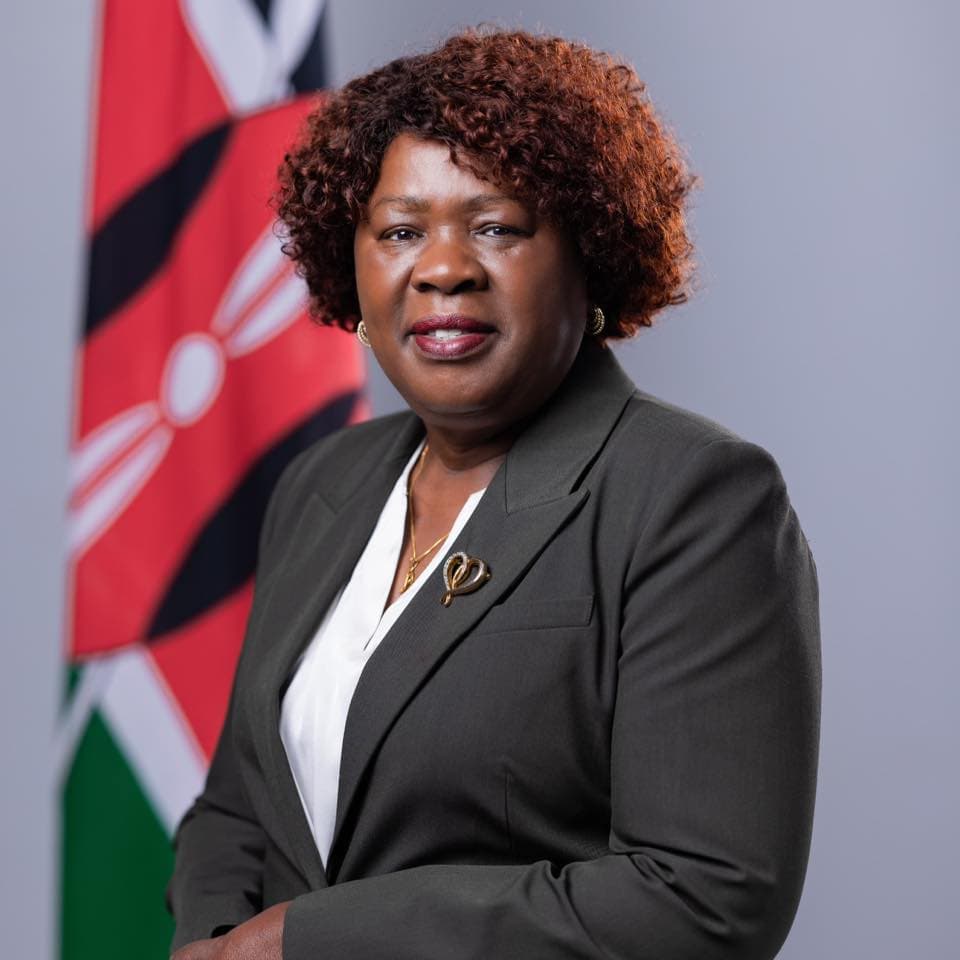
Cabinet Secretary for Lands, Public Works, Housing and Urban Development
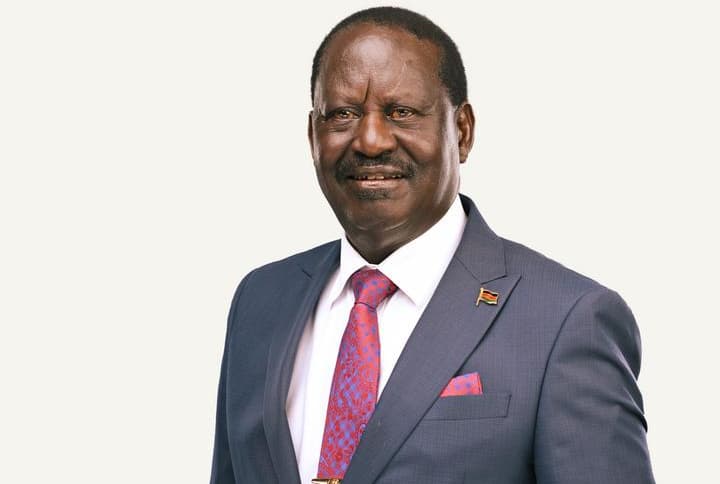
Leader of the Opposition
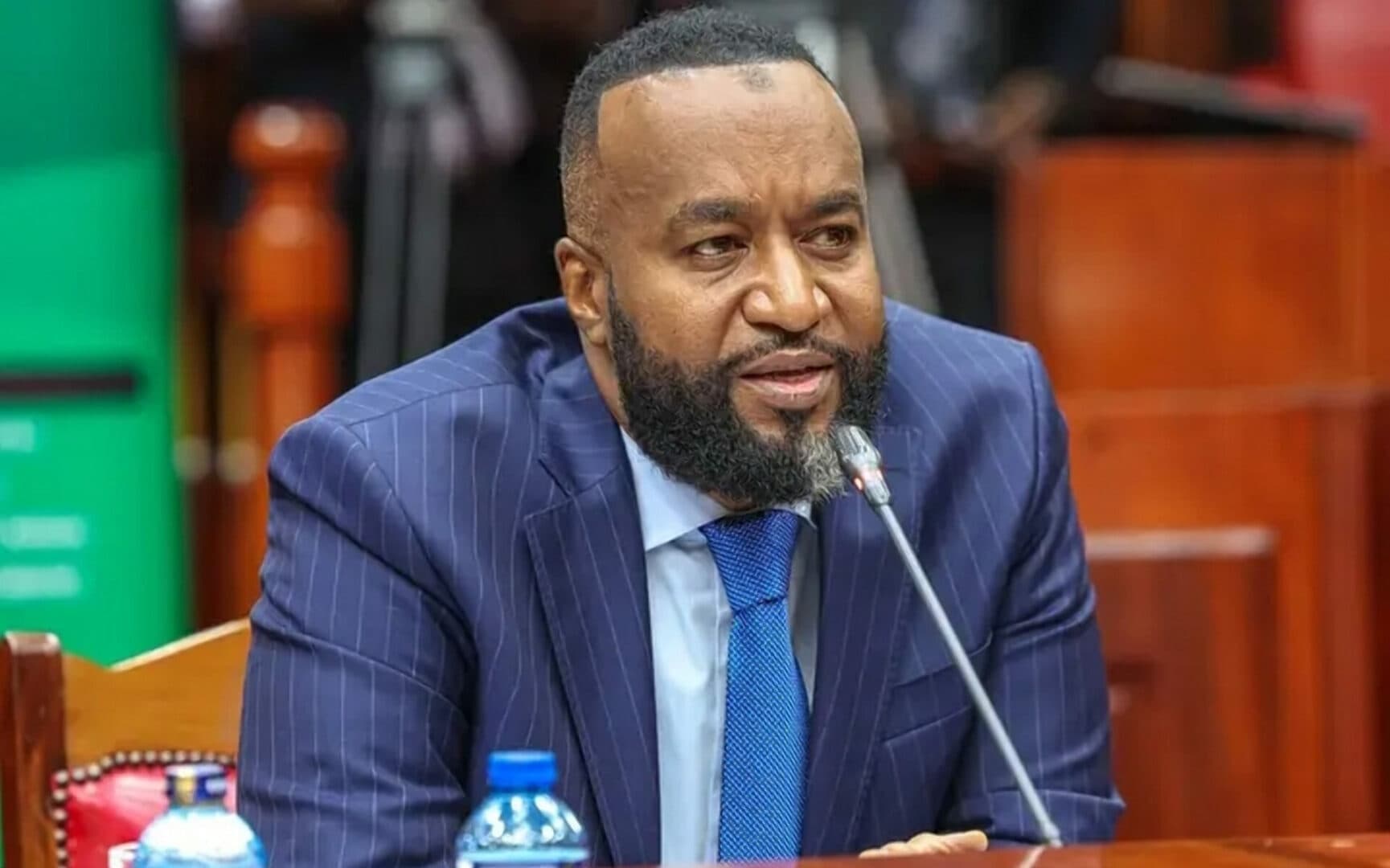
Cabinet Secretary for Mining, Blue Economy and Maritime Affairs



