We're loading the full news article for you. This includes the article content, images, author information, and related articles.
Recent mini-polls have ignited a high-stakes political audition, complicating President William Ruto's choice for a 2027 running mate and redrawing Kenya's political map.
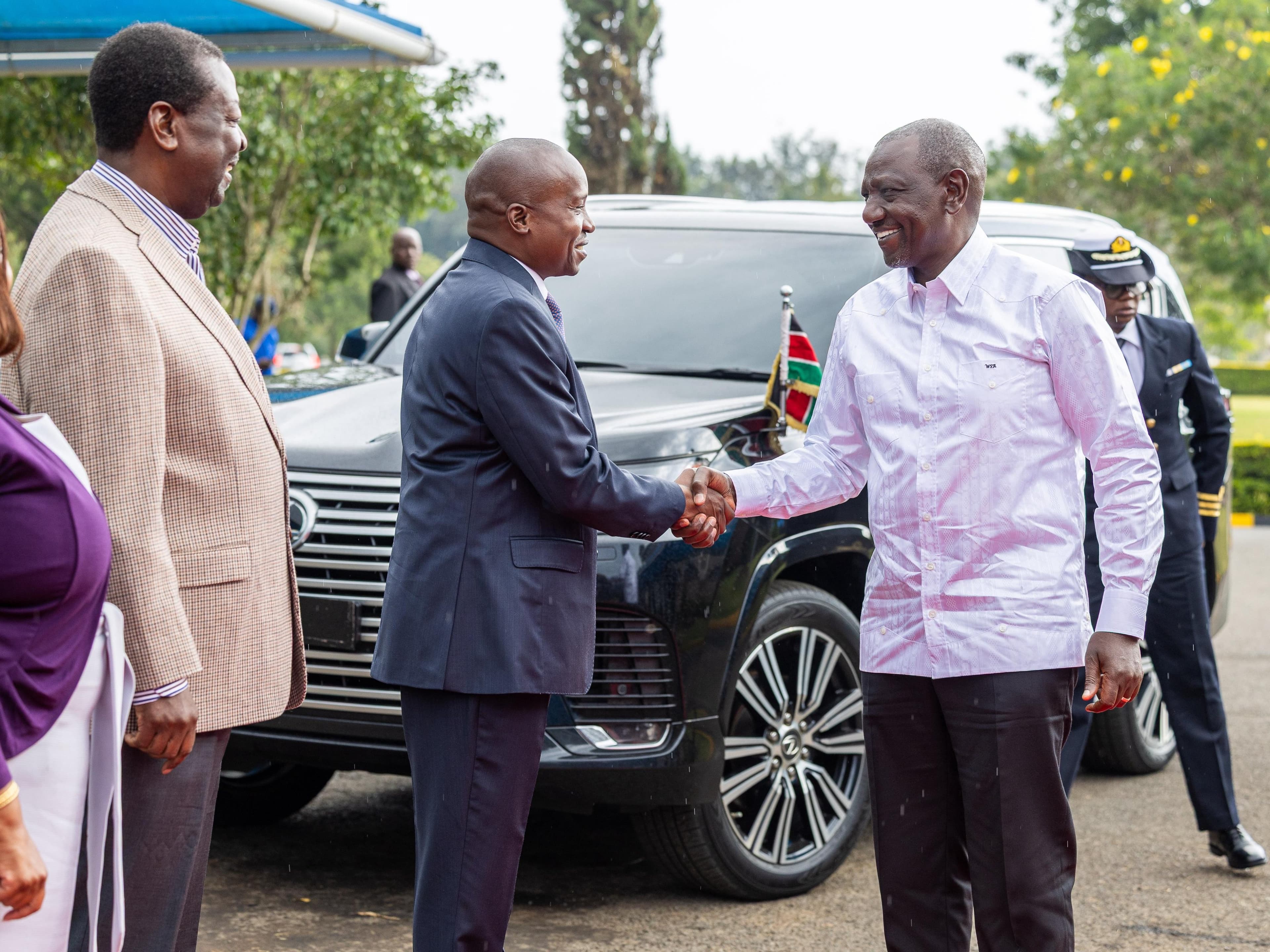
A series of fiercely contested by-elections across Kenya has unexpectedly reshaped the political landscape, setting the stage for a complex battle to become President William Ruto’s running mate in 2027.
The results from the November 27 mini-polls are being viewed not just as local victories or losses, but as a crucial barometer of political influence. They have intensified the jostling within the ruling coalition, forcing a tough balancing act for the President as regional kingpins use the outcomes to prove their electoral muscle. For ordinary Kenyans, this high-stakes political chess game will determine the leadership that will either steer the nation towards economic stability or deeper into political uncertainty.
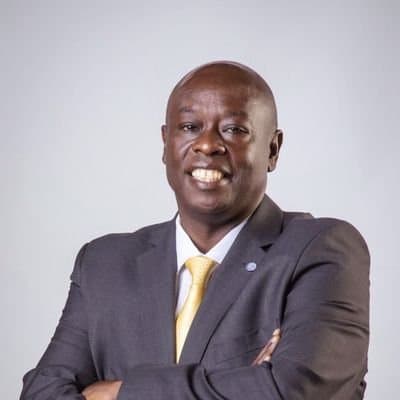
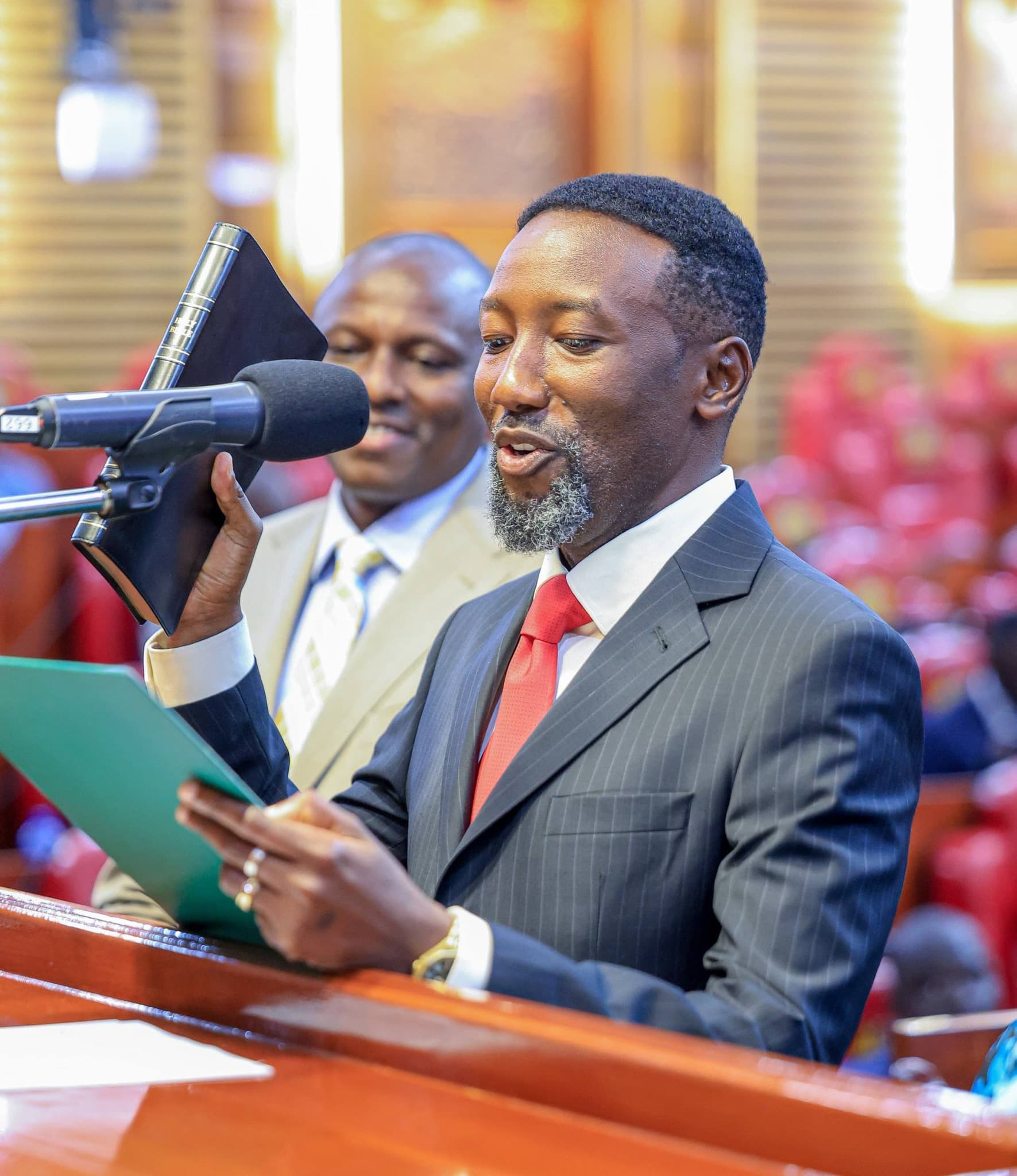
The Mbeere North parliamentary race became the epicentre of a monumental political clash, widely seen as a proxy war between Deputy President Kithure Kindiki and his predecessor, Rigathi Gachagua. The victory of the United Democratic Alliance (UDA) candidate, Leo Muthende, backed by Kindiki, has been interpreted as a significant win that cements the DP's influence in the vote-rich Mt. Kenya region. The win, though narrow with a margin of just 494 votes, strengthens Kindiki's political momentum heading into 2027.
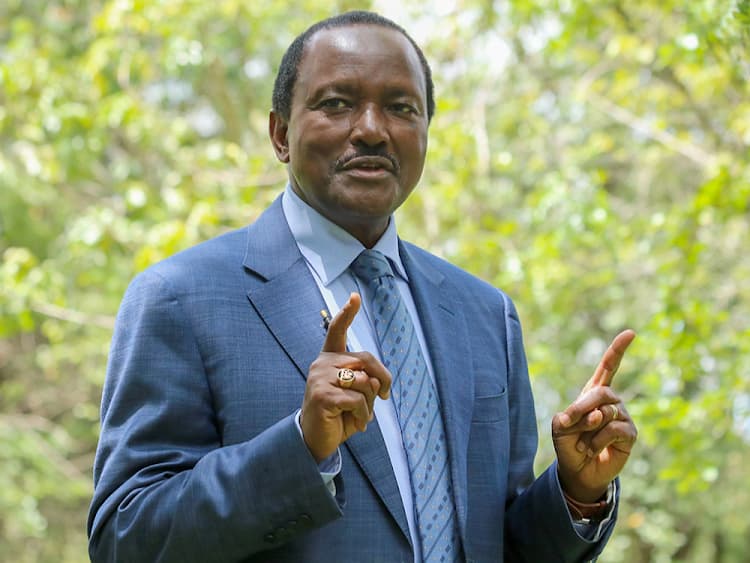
Despite his candidate's loss, former Deputy President Gachagua remains a formidable force. Having been impeached in October 2024, he has since launched the Democracy for the Citizens Party (DCP) and is actively consolidating his base. Dismissing the Mbeere North loss, Gachagua noted his party did not field a candidate there but won three out of five contested ward seats elsewhere. He has now pivoted his focus to Nairobi, announcing a strategic alliance with Kalonzo Musyoka's Wiper Party to sweep the capital's top seats in 2027.
The by-elections also served as a critical test for other key figures in the Kenya Kwanza administration. In the Western region, the Malava by-election was a major test for Prime Cabinet Secretary Musalia Mudavadi. The victory for UDA's candidate gives Mudavadi significant bragging rights and boosts his bargaining power within the ruling coalition, demonstrating his ability to deliver votes.
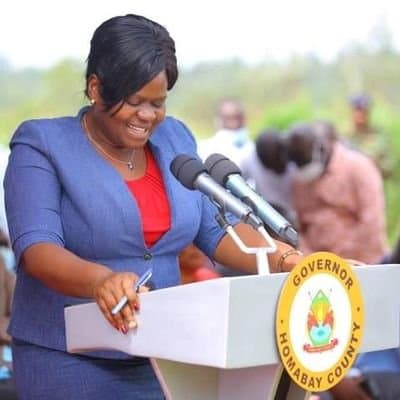
Meanwhile, a new dynamic is emerging from the opposition. Key figures who could become either beneficiaries or casualties of the mini-polls include Homa Bay Governor Gladys Wanga. Her leadership in delivering victories for the Orange Democratic Movement (ODM) in its strongholds has positioned her as a potential running mate for Ruto, particularly amid talks of a UDA-ODM coalition.
Political analysts observe that potential running mates are now engaged in an unofficial audition to prove their worth ahead of 2027. The choice for President Ruto will likely depend on several factors:
While President Ruto has not publicly indicated any intention to drop Deputy President Kindiki, the unfolding political arithmetic suggests a challenging road ahead. The recent by-elections have not provided a clear answer; instead, they have presented President Ruto with a more complicated dilemma, populated by allies with fresh political capital and rivals determined to reshape the nation's future.
Keep the conversation in one place—threads here stay linked to the story and in the forums.
Sign in to start a discussion
Start a conversation about this story and keep it linked here.
Other hot threads
E-sports and Gaming Community in Kenya
Active 9 months ago
The Role of Technology in Modern Agriculture (AgriTech)
Active 9 months ago
Popular Recreational Activities Across Counties
Active 9 months ago
Investing in Youth Sports Development Programs
Active 9 months ago
Key figures and persons of interest featured in this article