We're loading the full news article for you. This includes the article content, images, author information, and related articles.
China Road and Bridge Corporation, the firm that constructed the Nairobi Expressway, has been handed another contract to repair and enhance the old roads running alongside it, raising questions of value for Kenyan taxpayers.

The Kenyan government has awarded a new contract to China Road and Bridge Corporation (CRBC) to repair the roads beneath and alongside the Nairobi Expressway, just weeks after President William Ruto announced a broader plan to rebuild key city roads. The decision places the same firm that built the iconic toll road in charge of fixing the damage caused during its construction, a move that has sparked debate among stakeholders.
This development raises critical questions for Nairobi residents and Kenyan taxpayers. The original agreement for the Sh88 billion ($668 million) Expressway, built under a Public-Private Partnership, requires CRBC's subsidiary, Moja Expressway, to operate the toll road for 27 years to recoup its investment before handing it over to the state. Now, a separate contract will see the firm paid again to rehabilitate the old Mombasa Road, Uhuru Highway, and Waiyaki Way.
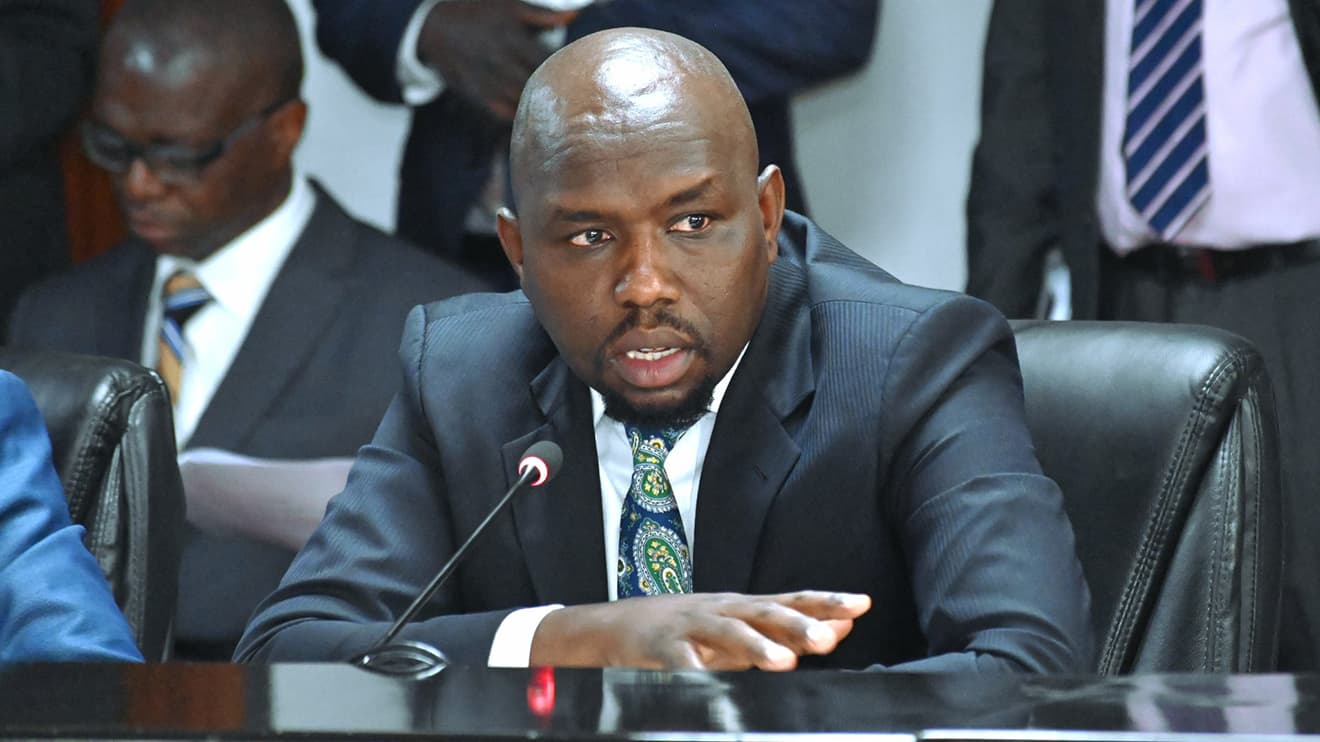
The enhancement of the roads running from Jomo Kenyatta International Airport (JKIA) to James Gichuru Road in Westlands is the subject of the new agreement. This comes after earlier government announcements of significant funds being set aside for these very repairs. In May 2022, it was reported that Sh9 billion was allocated for the restoration of the A104 highway, which was damaged during the Expressway's construction. Later, in March 2023, Transport Cabinet Secretary Kipchumba Murkomen informed the Senate that the repair budget had been revised to Sh3.5 billion to bring the road back to standard.
The financial performance of the Expressway itself remains under scrutiny. In the six months leading up to December 2024, Moja Expressway reported a net loss of Sh1.84 billion, despite collecting Sh7.16 billion in toll revenues. The high operational costs and loan repayments, denominated in foreign currency, have been cited as major pressures on the project's profitability.
The contract award aligns with President Ruto's recent focus on overhauling national infrastructure, a plan he insists will be funded without additional taxes or borrowing. In mid-December 2025, the President announced the creation of a Sh5 trillion National Infrastructure Fund to finance large-scale projects. He has emphasized that this new model is essential to spur economic growth and avoid worsening the country's debt burden.
While the government frames this as part of a strategic transformation, for the average Kenyan, the immediate concern is the dual cost. Motorists are already paying tolls to use the Expressway, and now taxpayer money will fund repairs on the free alternative, paid to the same contractor. This arrangement has led to questions about the initial planning and whether the cost of restoring the old road should have been integrated into the original Expressway budget.
The situation highlights the complex financial trade-offs of large-scale infrastructure projects. As CRBC begins work on the lower deck, Nairobians will be watching closely, weighing the convenience of the sky-high Expressway against the mounting costs on the ground.
Keep the conversation in one place—threads here stay linked to the story and in the forums.
Sign in to start a discussion
Start a conversation about this story and keep it linked here.
Other hot threads
E-sports and Gaming Community in Kenya
Active 9 months ago
The Role of Technology in Modern Agriculture (AgriTech)
Active 9 months ago
Popular Recreational Activities Across Counties
Active 9 months ago
Investing in Youth Sports Development Programs
Active 9 months ago
Key figures and persons of interest featured in this article